


Listen to the article
Record $6.8 Billion in False Claims Act Recoveries Signals Aggressive Anti-Fraud Push
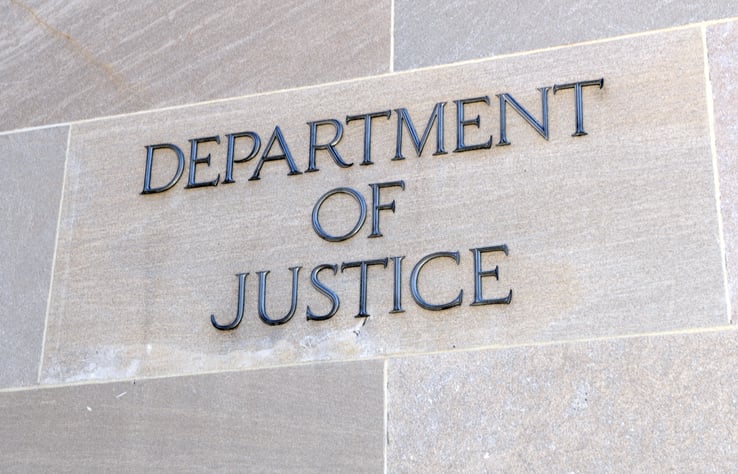
The Department of Justice recovered an unprecedented $6.8 billion in judgments and settlements under the False Claims Act during the most recent fiscal year, marking the highest annual recovery in the law’s history, according to data released last week.
The record-breaking figure comes alongside another milestone: whistleblowers filed 1,297 qui tam lawsuits during the fiscal year ending September 30, 2025, the largest number ever submitted in a single year. These whistleblower suits, which allow private citizens to file fraud claims on behalf of the government and potentially receive a portion of any recovery, have become a cornerstone of federal fraud enforcement efforts.
“Stopping rampant fraud is a top priority, and this record-breaking year proves the False Claims Act remains one of the government’s most powerful weapons against fraud,” said Deputy Attorney General Todd Blanche in the announcement. “We will continue to aggressively deploy it to protect taxpayer dollars and hold all fraudsters accountable.”
The healthcare industry accounted for the vast majority of the recovered funds, with $5.7 billion tied to fraud schemes involving Medicare, Medicaid, and TRICARE. This figure represents only federal recoveries, though officials note that these investigations frequently lead to additional recoveries for state Medicaid programs.
The Justice Department opened 401 new investigations during the fiscal year, concentrating its False Claims Act enforcement in three primary areas: managed care fraud, prescription drug violations, and medically unnecessary services. This targeted approach reflects the government’s strategic focus on high-impact sectors where taxpayer dollars face substantial risk.
The False Claims Act, which dates back to the Civil War era, was significantly strengthened in the mid-1980s with amendments that enhanced whistleblower protections and incentives. Since these enhancements, the government has recovered approximately $85 billion through settlements and judgments under the Act.
“The False Claims Act and its whistleblower provisions are crucial tools for ensuring that public funds are spent properly and in the public interest,” said Assistant Attorney General Brett A. Shumate of the Justice Department’s Civil Division.
Legal experts attribute the surge in recoveries to several factors, including increased enforcement resources, sophisticated data analytics to identify potential fraud patterns, and greater awareness among potential whistleblowers about qui tam provisions. The healthcare sector’s dominance in recoveries reflects both its massive share of federal spending and the complex billing systems that can facilitate fraudulent claims.
The record recoveries also signal the Biden administration’s emphasis on combating corporate fraud and protecting government programs. Healthcare fraud enforcement, in particular, has intensified amid growing concerns about the financial sustainability of Medicare and Medicaid.
For healthcare providers, the record enforcement numbers serve as a stark reminder of compliance risks. Hospitals, pharmaceutical companies, medical device manufacturers, and managed care organizations face heightened scrutiny of their billing practices, marketing strategies, and financial relationships with referral sources.
Industry analysts suggest the trend of aggressive enforcement is likely to continue, with potential expansion into emerging areas like telehealth services, which saw explosive growth during the COVID-19 pandemic, and Medicare Advantage programs, where risk-adjustment practices have drawn increasing attention from investigators.
The False Claims Act’s whistleblower provisions continue to be a powerful driver of enforcement actions. These provisions allow individuals with knowledge of fraud to file lawsuits on behalf of the government and potentially receive between 15% and 30% of any recovery, creating significant incentives for insiders to report suspected wrongdoing.
As federal healthcare spending continues to grow, and with new funding programs created in response to various national priorities, Justice Department officials indicate that False Claims Act enforcement will remain a central component of the government’s strategy to protect public funds from fraud and abuse.
Fact Checker
Verify the accuracy of this article using The Disinformation Commission analysis and real-time sources.

10 Comments
This news raises interesting questions about the broader state of government contracting and oversight. While the False Claims Act recoveries are impressive, are there systemic issues that need to be addressed to prevent fraud from occurring in the first place? Continued vigilance and proactive measures will be crucial.
This is a great example of the government using the False Claims Act as a powerful tool to hold fraudsters accountable. The combination of aggressive enforcement and empowered whistleblowers seems to be a winning formula. Let’s hope this momentum can be maintained.
The record-breaking number of whistleblower lawsuits filed is really remarkable. This shows that private citizens are increasingly willing to come forward and expose fraudulent activities. It’s great to see the government incentivizing and empowering whistleblowers in this way.
Absolutely. Whistleblowers play a vital role in uncovering fraud, and the government is clearly taking their contributions very seriously. This should serve as a strong deterrent for would-be fraudsters.
The healthcare industry’s dominance in the recovered funds is not surprising given the scale and complexity of that sector. Tackling fraud in healthcare is critical to ensuring taxpayer money is spent responsibly and patients receive the care they deserve.
While the overall figures are impressive, I wonder how these recoveries compare to the total amount of fraud and abuse occurring in the system. Is the government truly making a dent, or is this just the tip of the iceberg? Continued vigilance and a sustained effort will be key.
The healthcare industry’s significant share of the recovered funds is a reminder of the ongoing challenges in that sector. Rooting out fraud and abuse in an industry with such high stakes and complex transactions is a daunting task, but these results show it can be done.
The sheer scale of these recoveries is a testament to the government’s commitment to combating fraud and protecting taxpayer dollars. It will be interesting to see if this trend continues and whether the False Claims Act remains an effective tool in the years ahead.
Impressive recovery under the False Claims Act! $6.8 billion is a huge sum, signaling the government’s commitment to combating fraud and protecting taxpayer dollars. It’ll be interesting to see if this trend continues in the coming years.
It’s encouraging to see the government prioritizing fraud prevention and recovery. Taxpayers deserve to know their money is being used responsibly, and this record-breaking year demonstrates the impact that can be achieved through determined enforcement efforts.