


Listen to the article
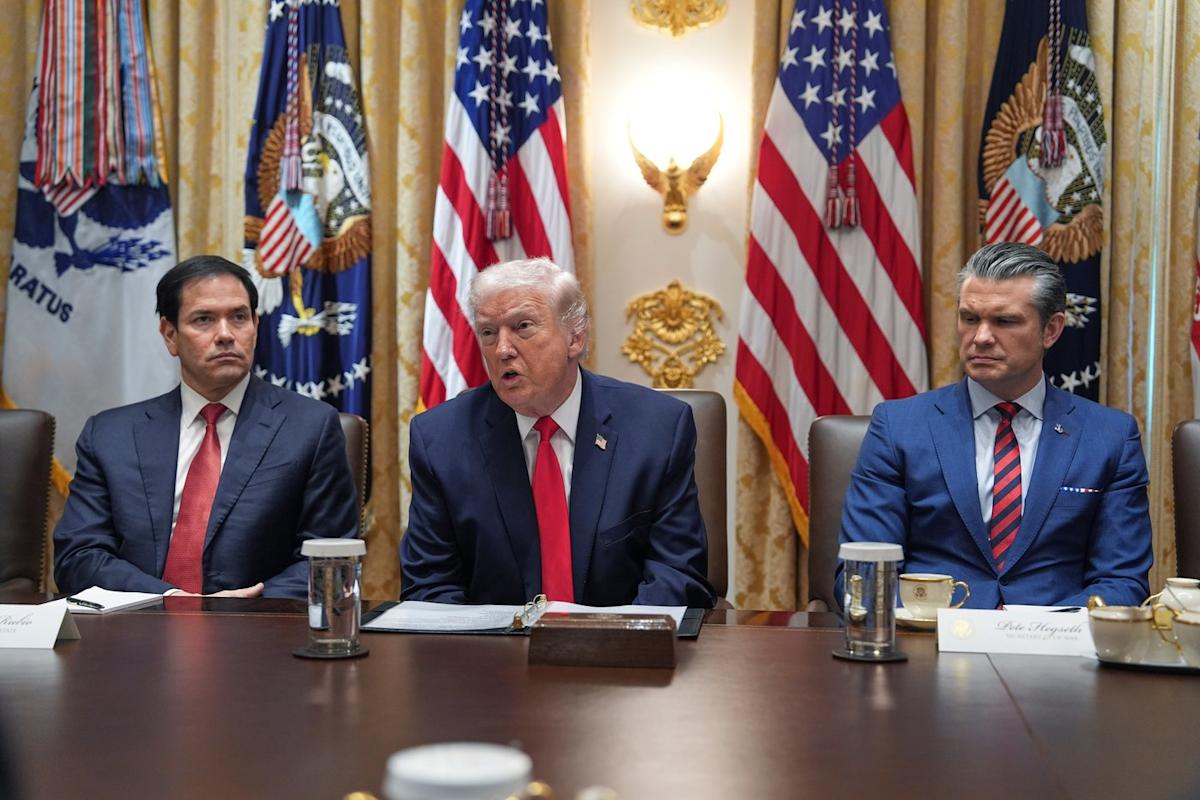
In his first cabinet meeting of 2026, President Donald Trump showcased what he described as his administration’s economic and domestic policy achievements, though many claims made during the session contained significant inaccuracies when examined against available data and expert analysis.
The meeting, held Friday, covered topics ranging from economic investments and housing to wildfire recovery efforts in California and energy policy. Throughout the session, both Trump and his cabinet officials made several assertions that independent fact-checking reveals to be misleading or false.
Trump’s claim that “$18 trillion is being invested now” appears significantly inflated. The White House’s own website lists a much lower figure of $9.6 trillion, which reportedly includes investment commitments made during the previous Biden administration. A recent study questions whether more than $5 trillion in investment commitments from America’s trading partners will actually materialize, casting further doubt on the president’s statement.
Housing and Urban Development Secretary Scott Turner praised Trump’s policies for creating the “strongest pace in three years” for home sales in December. While the National Association of Realtors did report that December’s seasonally adjusted annual rate of home sales reached 4.35 million units, this represented just a modest 1.4% year-over-year increase. More concerning for the housing market, pending home sales in December actually fell 3% from the previous year, suggesting the December figures might represent a temporary fluctuation rather than a sustained trend.
Trump has previously stated he wants to maintain high home prices to increase Americans’ net worth, a position that housing experts warn could suppress construction and price out first-time homebuyers from the market.
The meeting also touched on recovery efforts following the devastating 2025 wildfires around Los Angeles that killed 31 people and destroyed approximately 13,000 homes. Trump signed an executive order directing FEMA and the Small Business Administration to develop regulations that would bypass state and local permitting rules, allowing builders to “self-certify” compliance with health and safety standards.
Trump claimed that only “three houses” were being rebuilt due to permit issues, but Los Angeles county and city data contradicts this assertion. Records show about 3,100 permits have been issued within the Palisades and Eaton fire zones as of Thursday. While fewer than a dozen residences have been completely rebuilt, approximately 900 homes are currently under construction.
California Governor Gavin Newsom challenged Trump’s characterization, stating that local officials are moving efficiently and called on the administration to approve the state’s $33.9 billion disaster aid request. Survivor advocates pointed out that permitting isn’t necessarily the primary obstacle; many households are struggling with insurance payouts that fall hundreds of thousands of dollars short of actual rebuilding costs.
Trump further claimed that California wildfires could have been mitigated if “water from the Pacific Northwest” had been allowed to flow to the region. This assertion is geographically incorrect, as California’s water system is not connected to Pacific Northwest water sources. The state’s water primarily comes from northern California mountain snowmelt that flows into the Sacramento-San Joaquin River Delta before being distributed southward.
During the cabinet meeting, Small Business Administration Administrator Kelly Loeffler supported Trump’s water claims, stating that an executive order got “water to the scene in your earliest days of your presidency.” However, the January 24, 2025, order she referenced resulted in water being directed to a dry lake basin more than 100 miles from Los Angeles.
Trump also repeated his claim of having “extinguished eight wars” during his first year back in office, an assertion fact-checkers describe as “highly exaggerated.” While the administration has engaged in various diplomatic efforts, the actual impact has been less definitive than suggested.
The president made additional misleading statements about coal production and China’s use of wind energy. Despite Trump’s characterization of “clean, beautiful coal,” experts note that while coal production has become cleaner over time, it remains a significant source of pollution. Similarly, his claim that China manufactures but doesn’t use wind turbines is contradicted by data showing China is both the world’s largest manufacturer and installer of wind energy technology.
These factual discrepancies highlight the ongoing challenge of separating political rhetoric from policy reality as the administration approaches the end of its first year in office.
Fact Checker
Verify the accuracy of this article using The Disinformation Commission analysis and real-time sources.

17 Comments
This fact-check raises valid questions about the accuracy of the administration’s statements on economic and energy policy achievements. It’s important that we rely on objective data and expert analysis, rather than unsubstantiated claims, when evaluating the real-world impacts of government initiatives.
This report raises some valid concerns about the accuracy of the administration’s statements on investment figures and housing market trends. It’s good to see independent fact-checking being done to ensure the public has access to reliable information.
Fact-checking is essential for holding leaders accountable and maintaining trust in government. I appreciate the diligence of the Disinformation Commission in scrutinizing these claims.
This fact-check raises valid concerns about the accuracy of the administration’s statements on economic and energy policy achievements. It’s critical that we rely on objective data and expert analysis, rather than unsubstantiated claims, when evaluating the real-world impacts of government initiatives.
The discrepancies highlighted in this report between the administration’s claims and the available evidence are concerning. Rigorous fact-checking is essential to ensure the public receives accurate information from their government.
I agree, fact-checking is vital to maintaining a healthy democracy. It’s encouraging to see the Disinformation Commission taking this responsibility seriously and holding leaders accountable.
This fact-check highlights the importance of verifying high-level government claims against credible data and expert analysis. While the administration may tout certain economic and policy achievements, it’s critical that we rely on objective information to evaluate their real-world impacts.
The discrepancies identified in this report between the administration’s claims and the available evidence are concerning. Rigorous fact-checking is essential to ensuring the public receives reliable information from their government, regardless of political affiliation.
I agree, maintaining trust in government requires a commitment to transparency and accountability. This fact-check is a valuable contribution to that effort.
The discrepancies highlighted in this report are concerning and underscore the importance of objective, data-driven analysis when evaluating the impacts of government policies and initiatives. Fact-checking is crucial for ensuring transparency and accountability.
Absolutely. Relying on credible sources and expert assessments is key to making informed judgments about the effectiveness of government programs and claims. This fact-check is a valuable contribution to that process.
This fact-check raises some important questions about the reliability of the administration’s statements on economic and energy policy. I’m glad to see independent analysis being conducted to verify the accuracy of such high-profile claims.
The issues raised in this report underscore the need for rigorous, impartial fact-checking of government statements and claims. Transparency and accountability are essential for maintaining public trust, regardless of political affiliation.
Absolutely. Fact-checking is a vital service that helps citizens make informed judgments about the performance and claims of their elected leaders. I appreciate the Disinformation Commission’s commitment to this important work.
While the administration may tout certain economic achievements, this analysis suggests their claims require further scrutiny. It’s critical that we rely on objective data and expert assessments, rather than unsubstantiated statements, when evaluating policy impacts.
Interesting fact-check on President Trump’s cabinet meeting claims. It’s important to scrutinize such statements and verify them against credible data and expert analysis. I’m curious to see how the administration’s economic and energy policy achievements hold up under closer inspection.
Agreed, transparency and accountability are crucial, especially when it comes to high-level government claims. I’ll be following this story closely to see how the facts unfold.