


Listen to the article
Digital misinformation continues to fuel real-world tensions across South Asia, with fabricated content about Bangladesh’s civil unrest and environmental protests in India gaining significant traction online this week, according to fact-checking reports.
In Bangladesh, where political tensions remain high following recent upheaval, multiple falsified videos and images have circulated claiming Indian involvement in the killing of student leader Sharif Osman Hadi. The student’s death became a flashpoint for demonstrations, with misinformation apparently designed to inflame cross-border tensions.
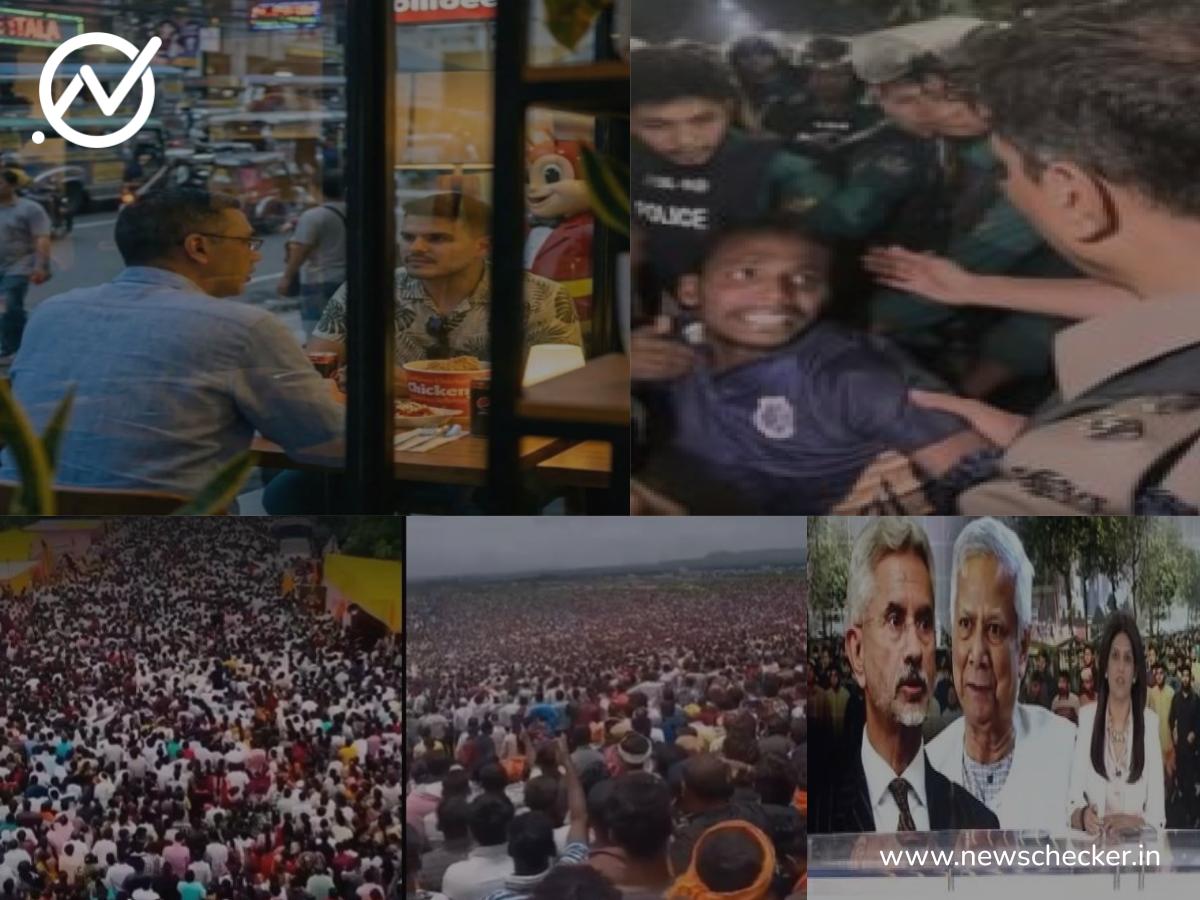
One particularly sophisticated piece of misinformation involved an AI-manipulated video purporting to show prominent Indian journalist Palki Sharma reporting on India’s alleged role in Hadi’s death. Fact-checkers determined the video had been digitally altered to create a completely fabricated news segment, raising concerns about the increasing sophistication of AI-generated misinformation.
In a similar vein, a doctored video claiming to be from international news outlet France 24 also falsely suggested Indian involvement in the Bangladeshi student leader’s killing. The fabricated report was designed to appear as legitimate international news coverage, potentially giving it greater credibility among viewers.
The religious tensions that have periodically flared in Bangladesh were further exploited through a misleading video that claimed to show Bangladeshi police handing over Dipu Chandra Das, a Hindu factory worker, to a mob that later lynched him. Fact-checkers revealed the footage was repurposed from an unrelated incident, highlighting how real incidents of communal violence can be manipulated to exacerbate religious divides.
Meanwhile, in India, misinformation surrounding environmental activism has gained traction. Several videos allegedly showing massive “Save Aravalli” protests in Rajasthan against the Supreme Court’s revised definition of the Aravalli Hills were found to contain older, unrelated footage. The Aravalli range, one of the oldest mountain systems in India, has been at the center of environmental concerns regarding mining and development activities.
The Supreme Court’s recent decision on redefining the boundaries of the protected hills has triggered legitimate environmental concerns among activists, but the spread of false videos undermines authentic discourse on conservation issues. Environmental experts have long warned about the ecological importance of the Aravalli range, which serves as a crucial barrier against desertification in northwest India.
In a separate incident highlighting the international scope of digital misinformation, an AI-generated image circulated showing an alleged Indian Defence Attaché in the Philippines, Captain Kothari, with Naveed Akram, identified as one of the attackers in the Bondi Beach incident in Australia. The completely fabricated image demonstrates how international security concerns can be exploited to create divisive content.
These incidents collectively underscore the evolving nature of misinformation, with artificial intelligence technologies now enabling more sophisticated and convincing fake content. Social media platforms continue to struggle with the rapid identification and removal of such material before it reaches large audiences.
Media literacy experts point to these cases as evidence of the growing need for digital verification skills among the general public. The targeted nature of the false information—often designed to exploit existing political, religious, or environmental tensions—makes it particularly effective at mobilizing emotions and potentially inciting real-world actions based on fabricated premises.
As fact-checking organizations work to combat these trends, they face increasing challenges from both the volume of misinformation and its technical sophistication, highlighting the ongoing struggle to maintain information integrity in an increasingly complex digital landscape.
Fact Checker
Verify the accuracy of this article using The Disinformation Commission analysis and real-time sources.

16 Comments
This is a concerning example of how misinformation can be used to fuel real-world tensions, even across borders. The use of AI to create fake news and videos is a troubling trend that we’ll need to stay vigilant about. Fact-checking is crucial to maintaining trust in the media.
This is a prime example of how misinformation can be used to stoke tensions between countries. The use of AI to create convincing fake news and videos is deeply concerning. We must remain vigilant in verifying information, especially on sensitive political issues, to combat the spread of falsehoods.
This is concerning to see how sophisticated AI-generated misinformation has become. It’s crucial that we stay vigilant and fact-check claims, especially when they involve sensitive political and cross-border issues. Fact-checking is essential to combat the spread of falsehoods.
Absolutely. The ability to create convincing fake videos and news reports is troubling and can have real-world consequences. Maintaining media literacy and healthy skepticism is key to navigating the information landscape today.
The spread of misinformation around the Bangladesh student leader’s death is deeply troubling. Fabricated videos and claims of Indian involvement are clearly designed to inflame cross-border tensions. Fact-checking and media literacy are essential to countering these types of falsehoods.
Absolutely. The increasing sophistication of AI-generated misinformation is a major challenge that requires a coordinated response. Maintaining a critical eye and verifying information before sharing is crucial to preventing the further spread of digital falsehoods.
This is a prime example of how digital misinformation can fuel real-world tensions. The use of AI to create convincing fake news and videos is a worrying development that we’ll need to continue monitoring and addressing. Fact-checking is essential to maintaining trust in the media.
The use of AI to create convincing fake news and videos is a worrying development. Misinformation like this, designed to inflame tensions between countries, is a serious problem that requires vigilance and fact-checking from media outlets and the public alike.
Exactly. The increasing sophistication of digital misinformation is a major challenge that we’ll need to continue addressing. Maintaining media literacy and a critical eye when consuming news and information online is essential to combating the spread of falsehoods.
The spread of misinformation around the Bangladesh student leader’s death is deeply troubling. Fabricated videos and claims of Indian involvement are clearly designed to inflame cross-border tensions. We must remain vigilant in verifying information and countering these types of falsehoods.
I agree. The increasing sophistication of AI-generated misinformation is a major challenge that requires a concerted effort to address. Fact-checking and media literacy are essential tools in the fight against the spread of digital falsehoods.
It’s disturbing to see how misinformation can be used to inflame tensions between countries. Fabricated videos and images, even those involving prominent journalists, are a worrying trend. We must be vigilant in verifying information, especially on sensitive political issues.
I agree. The increasing sophistication of AI-generated misinformation is a major challenge. It’s crucial that fact-checkers and media outlets work to quickly identify and debunk these types of fabrications before they can spread further and cause real harm.
This is a troubling example of how sophisticated misinformation can become, with AI-generated fake news and videos posing a growing challenge. It’s critical that we stay vigilant, fact-check claims, and work to counter the spread of falsehoods, especially on sensitive political topics.
The spread of misinformation around the student leader’s death in Bangladesh is deeply concerning. Fabricated videos and claims of Indian involvement are clearly designed to inflame cross-border tensions. We must be vigilant in verifying information and countering these types of falsehoods.
Absolutely. Maintaining media literacy and a healthy skepticism of online content is crucial, especially when it comes to sensitive political and geopolitical issues. Fact-checking is the best way to combat the rising tide of misinformation.