


Listen to the article
Travelers warned of fake resort pages as Holy Week approaches
Planning a getaway for Holy Week or summer vacation? Authorities are warning travelers to be vigilant against fraudulent social media pages impersonating popular beach resorts, which could lead to scams and financial loss.
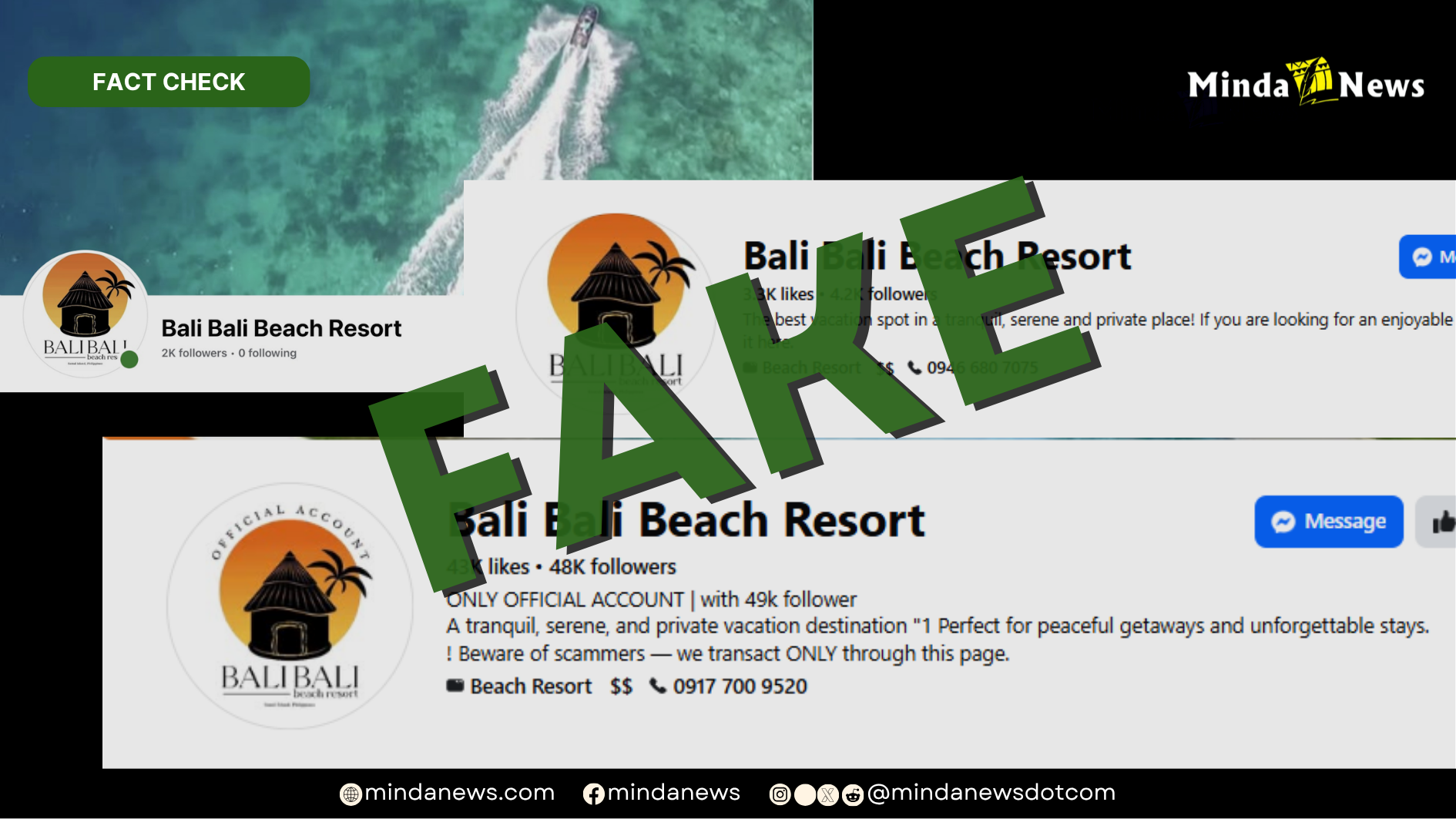
Several Facebook pages claiming to represent “Bali Bali Beach Resort” in the Island Garden City of Samal have been identified as fraudulent operations with no affiliation to the actual establishment. The issue highlights growing concerns about digital fraud in the tourism sector, particularly as peak travel seasons approach.
An investigation by MindaNews revealed at least three counterfeit pages purporting to be the official account of the well-known Samal Island resort. One page, created in November 2025, has already accumulated 3,300 likes and 4,200 followers while displaying photos of the resort and providing a contact number to create an appearance of legitimacy.
A second impostor page, established in December 2025, has gained even more traction with approximately 43,000 likes and 48,000 followers. This page boldly claims to be the “only official account” of the resort, potentially misleading thousands of potential customers with its unauthorized promotions and contact information.
A third fraudulent page with around 2,000 followers was also identified, further complicating matters for consumers trying to book legitimate accommodations.
In contrast, the authentic Bali Bali Beach Resort Facebook page was created in November 2016 and maintains approximately 26,000 followers. The official page provides comprehensive information including verified contact details and links to the resort’s website.
One key difference lies in the contact numbers—the official resort’s phone number ends with “9,” while the impostor pages list different contact information. The legitimate page also regularly issues advisories warning the public about these fraudulent accounts.
Tourism industry experts note that such scams tend to proliferate during peak travel periods like Holy Week, summer vacations, and holidays when consumers are actively searching for accommodations and may be less cautious in their booking procedures.
“These fake pages represent a growing threat to both consumers and legitimate businesses,” said Maria Santos, a cybersecurity analyst specializing in tourism fraud. “Travelers may lose deposits or full payments to these scammers, while resorts suffer reputation damage when guests believe they’ve been misled by the actual business.”
The fraudulent pages typically display several red flags, including recent creation dates, inconsistent contact information, and heavy reliance on reposted content. They often lack verifiable details such as authentic business email addresses that require proper authentication.
Law enforcement officials advise travelers to take several precautions when booking accommodations online. These include checking the page’s creation date, verifying contact information through multiple sources, and looking for complete business details before making any payments or reservations.
“When in doubt, it’s always safer to contact establishments directly through their official websites or make inquiries in person,” advised Police Superintendent Rafael Gonzales of the Cybercrime Division. “Never transfer money based solely on social media communications.”
The proliferation of fake resort pages represents a broader trend in digital fraud targeting the tourism sector, which contributes significantly to the Philippine economy. According to recent data from the Department of Tourism, the country welcomed over 5.4 million visitors last year, with domestic tourism also showing strong recovery after the pandemic.
The Bali Bali Beach Resort case is not isolated, as similar scams have been reported affecting other popular destinations across Mindanao and throughout the Philippines. Authorities encourage the public to report suspicious pages to both the establishment in question and to cybercrime units for proper investigation.
MindaNews continues to investigate potential scams targeting travelers and welcomes leads or suggestions from the public regarding suspicious resort pages, particularly those focused on Samal Island destinations.
Fact Checker
Verify the accuracy of this article using The Disinformation Commission analysis and real-time sources.

8 Comments
This is a concerning problem that highlights the importance of verifying the legitimacy of any tourism-related businesses online. Scammers are becoming more sophisticated in their tactics to mislead consumers. Stronger enforcement and consumer education are needed to combat this issue.
Growing digital fraud in the tourism industry is a very worrying trend. Authorities need to crack down hard on these counterfeit social media pages to send a strong message that this type of deception will not be tolerated. Safeguarding consumers should be the top priority.
This is quite troubling. Fraudulent social media pages impersonating legitimate businesses can really hurt consumers and damage reputations. I hope the authorities are able to take strong action against these scammers to protect travelers.
Fraudulent pages misrepresenting popular resorts are a serious issue that can have major financial consequences for unsuspecting travelers. I hope the authorities are able to quickly shut down these counterfeit operations and prevent any further harm to consumers.
It’s crucial for tourists to be vigilant and cross-check any social media pages or offers against the official website and channels of a resort before booking. Falling for these scams could lead to huge losses. Cracking down on digital fraud in tourism should be a top priority.
It’s alarming to see how quickly these fraudulent resort pages can gain a large following on social media. I hope the real Bali Bali Beach Resort is able to take legal action against the impersonators to protect their brand and reputation. Travelers should be very cautious.
This highlights the importance of verifying the legitimacy of any tourism-related offers or pages online. Scammers are getting increasingly sophisticated in their tactics. Consumers need to do their due diligence to avoid falling victim to these deceptive practices.
Fake resort pages are a huge problem, especially with the high travel season coming up. It’s important for tourists to be vigilant and verify the authenticity of any pages or offers before booking anything. Falling for these scams could lead to major financial losses.