


Listen to the article
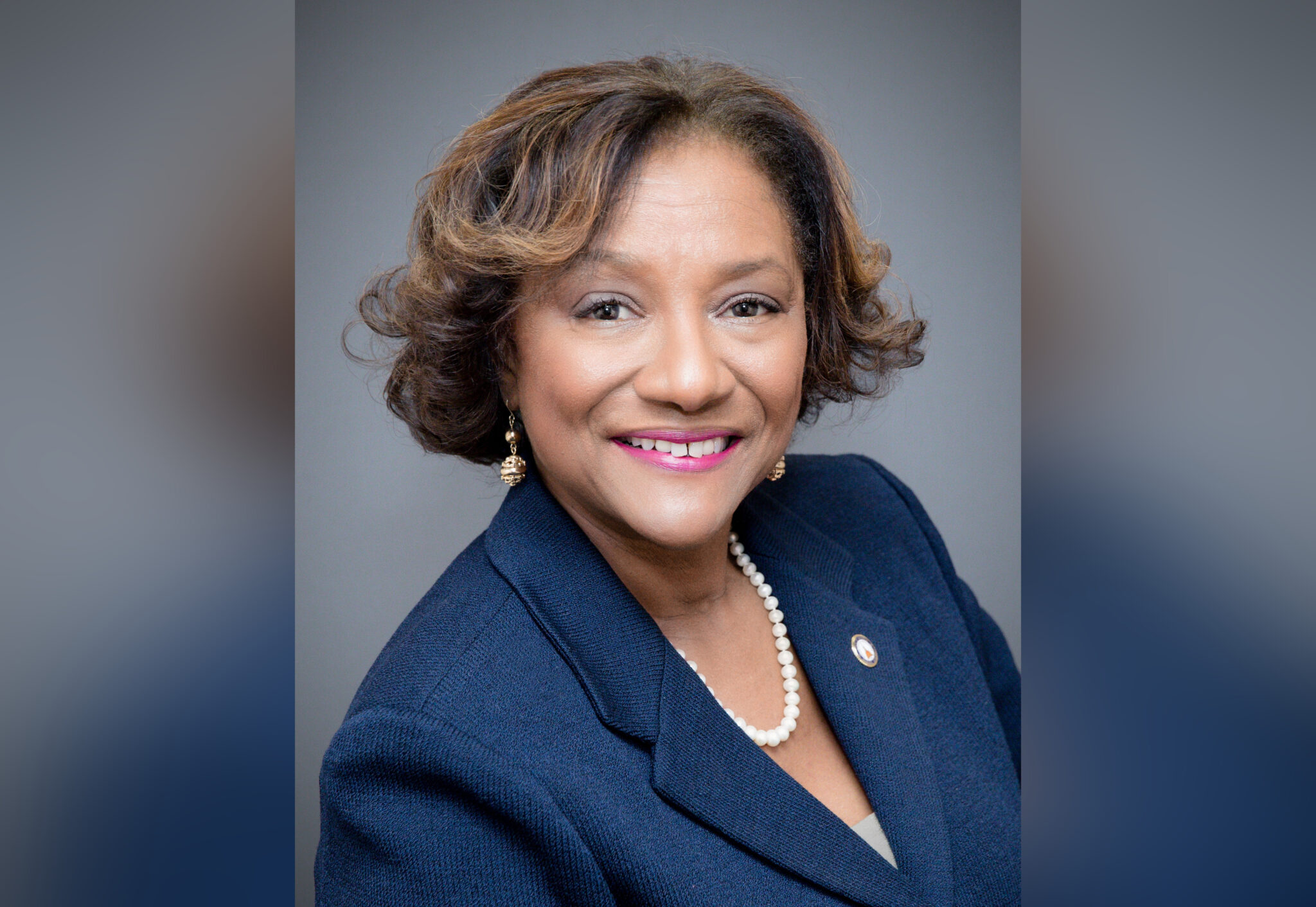
Former Georgia lawmaker Karen Bennett has pleaded guilty to fraud charges stemming from her misuse of COVID-19 emergency relief funds, federal prosecutors announced Wednesday. Bennett, who represented Stone Mountain as a Democratic state representative, admitted to making false statements that enabled her to illegally obtain $13,940 in federal pandemic assistance.
“Bennett was elected to represent her fellow citizens and took a solemn oath to promote the best interests and prosperity of the State of Georgia,” said Theodore S. Hertzberg, U.S. Attorney for the Northern District of Georgia. “Instead, she violated that oath and, during an unprecedented emergency, lied to line her own pockets with taxpayer money intended to help community members in need.”
Federal investigators found that Bennett, 70, submitted fraudulent weekly certifications for unemployment benefits between March and August 2020. In these documents, she claimed to earn only $300 weekly from her legislative position while falsely stating that Metro Therapy Providers, Inc. would not allow her to return to work due to pandemic restrictions.
Prosecutors revealed that Bennett was actually the sole owner of Metro Therapy, a fact she concealed from authorities. The company continued operating and generating revenue for Bennett throughout the period when she claimed unemployment benefits. Additionally, she failed to disclose a $905 weekly paycheck she received from employment at a local church.
The case highlights a troubling pattern of elected officials allegedly misusing COVID relief funds, which were implemented during the early days of the pandemic to provide urgent financial support to individuals and businesses facing economic hardship. The Coronavirus Aid, Relief, and Economic Security (CARES) Act, passed in March 2020, expanded unemployment benefits significantly, making them available to self-employed individuals and independent contractors who normally wouldn’t qualify.
Bennett resigned from her state House seat at the end of last year, days before formal charges were filed. Georgia election officials have scheduled a special election for March 10 to fill the vacant position, giving constituents in Stone Mountain an opportunity to select new representation.
This case follows a similar incident involving another Georgia lawmaker. State Representative Sharon Henderson, a Democrat from Covington, pleaded not guilty on December 8 to charges of theft of government funds, also related to COVID-19 relief funding. Henderson was released on a $10,000 bond and remains in office while Governor Brian Kemp assembles a panel to evaluate her fitness to serve.
The prosecution of Bennett and the charges against Henderson come amid increased scrutiny of pandemic relief fund misuse across the country. The Department of Justice has made investigating and prosecuting COVID-19 related fraud a priority, establishing specialized task forces to address the billions of dollars potentially lost to fraudulent claims.
Federal authorities have been particularly vigilant about prosecuting cases involving public officials, as these individuals were entrusted with upholding the law and serving their communities during a crisis. The COVID-19 pandemic created unprecedented challenges for government assistance programs, with agencies rushing to distribute aid while maintaining proper oversight.
The Bennett case serves as a reminder of the ongoing efforts to hold accountable those who allegedly exploited emergency measures meant to help vulnerable citizens during a global health crisis. As pandemic-era benefit programs wind down, federal prosecutors continue to pursue cases of suspected fraud, sending a message that misuse of emergency funds carries serious consequences, particularly for those in positions of public trust.
Bennett’s sentencing date has not yet been announced. She faces potential jail time and additional fines beyond the restitution of the fraudulently obtained funds.
Fact Checker
Verify the accuracy of this article using The Disinformation Commission analysis and real-time sources.

6 Comments
This is a disappointing case of abuse of pandemic relief funds. Elected officials should be held to high ethical standards, especially during times of crisis when public resources are scarce. I hope the sentencing serves as a strong deterrent against such fraud in the future.
Agreed. Misappropriating funds intended to help struggling community members is a serious abuse of public trust. The guilty plea is the right outcome, but there should be consequences to discourage similar behavior.
While I’m glad the authorities were able to uncover this fraud, it’s disappointing to see an elected official abusing their position in this way. Pandemic relief funds are a lifeline for many struggling businesses and households, and any misuse of those resources is unacceptable.
I agree. Public trust in government institutions is already fragile, and cases like this only serve to further erode that trust. Strong enforcement and clear consequences are necessary to maintain the integrity of these critical aid programs.
It’s concerning to see a government representative take advantage of emergency relief programs for personal gain. These funds are critical for supporting businesses and individuals impacted by the pandemic. I hope this case sends a clear message that such fraud will not be tolerated.
Absolutely. The public deserves transparency and accountability from their elected officials, especially when it comes to the distribution of taxpayer money. This type of fraud undermines the entire purpose of these relief programs.