


Listen to the article
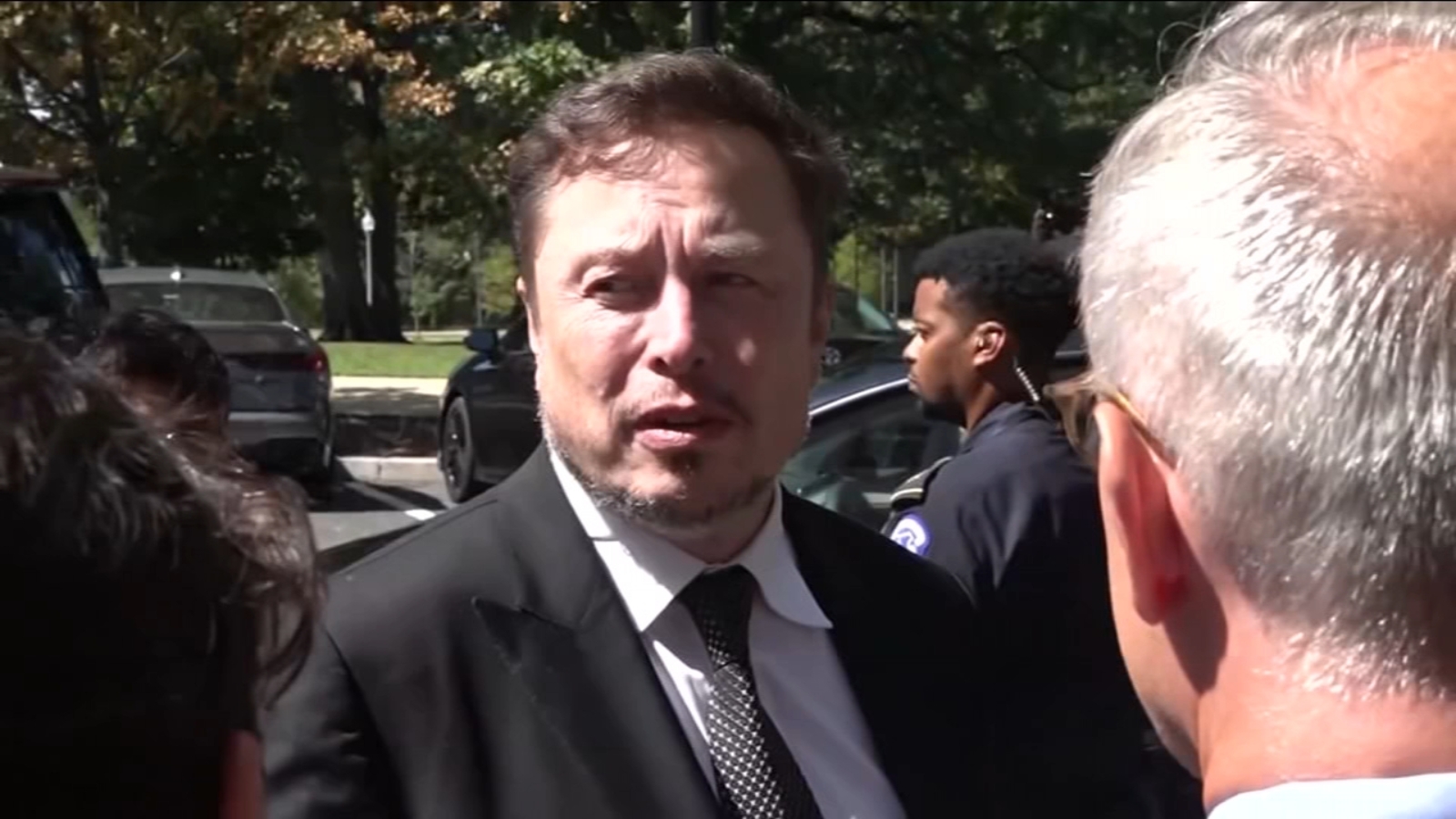
Elon Musk is expected to testify Wednesday in a San Francisco federal court where shareholders have accused him of manipulating Twitter’s stock price prior to his $44 billion acquisition of the platform in 2022.
The lawsuit, filed in October 2022 in the U.S. District Court for the Northern District of California, represents Twitter shareholders who sold their stock between May 13 and October 4, 2022. Plaintiffs allege Musk deliberately made false statements to drive down Twitter’s share price in violation of federal securities laws.
The legal dispute centers around Musk’s behavior following his initial agreement to purchase Twitter in April 2022. On May 13, Musk tweeted that the deal was “temporarily on hold pending details supporting calculation that spam/fake accounts do indeed represent less than 5% of users.” The announcement caused an immediate drop in Twitter’s stock value.
According to the lawsuit, this statement was fundamentally misleading because there was no provision in the merger agreement allowing Musk to unilaterally place the deal “on hold,” and Twitter had not agreed to any such pause. Days later, Musk further claimed the deal “cannot go forward” and alleged that nearly 20% of Twitter accounts were fake.
Market analysts note that Musk’s comments came during a broader tech market correction, with Twitter particularly vulnerable due to uncertainty surrounding the acquisition. The timing of his statements raised suspicions among investors and regulators alike.
Over the following weeks, plaintiffs allege Musk continued making disparaging statements about Twitter’s business operations, deliberately driving down the company’s stock price. By July 2022, Musk announced he would abandon the acquisition entirely, claiming Twitter had failed to provide sufficient information about fake accounts.
The lawsuit emphasizes that Musk had explicitly waived due diligence for his “take it or leave it” offer, relinquishing his right to examine Twitter’s non-public financial information before finalizing the deal. This waiver makes his subsequent complaints about bot accounts particularly suspect, according to legal experts familiar with merger agreements.
By July 8, when Musk tweeted he was abandoning the deal, Twitter’s stock had plummeted to $36.81 per share—32% below his offer price of $54.20. “To try to renegotiate the price or delay the merger, Musk made materially false and misleading statements and omissions, and engaged in a scheme to deceive the market, all in violation of the law,” the lawsuit states.
The dispute over fake accounts wasn’t new territory for Twitter. The company had previously paid $809.5 million in 2021 to settle claims it overstated growth rates and user figures. Twitter had also disclosed its bot estimates to the Securities and Exchange Commission for years, while acknowledging its calculations might underestimate the actual numbers.
The conflict escalated when Twitter sued Musk to enforce the acquisition agreement, with Musk filing a countersuit. On October 4, Musk unexpectedly offered to complete the original deal at $44 billion, which Twitter accepted. The transaction closed later that month.
After taking control of the platform, Musk implemented dramatic changes, including significant workforce reductions, dismantling the trust and safety team, and rolling back content moderation policies. In July 2023, he rebranded Twitter as X, signaling a broader transformation of the platform’s identity and business model.
This isn’t Musk’s first time defending himself against allegations of misleading investors through social media posts. Three years ago, he spent approximately eight hours testifying in another San Francisco federal trial regarding his 2018 tweets about taking Tesla private at $420 per share—a deal that never materialized. A jury ultimately cleared Musk of wrongdoing in that case.
The current trial comes amid increased regulatory scrutiny of Musk’s business practices. The SEC recently filed a separate lawsuit against Musk over his Twitter acquisition, alleging he underpaid for the company by approximately $150 million.
Industry observers will be watching Musk’s testimony closely, as it could have significant implications for how executives communicate about major business transactions on social media platforms in the future.
Fact Checker
Verify the accuracy of this article using The Disinformation Commission analysis and real-time sources.

14 Comments
This case seems to be about the balance between a CEO’s discretion and their obligations to shareholders. It will be interesting to see if Musk’s actions are deemed reasonable or if he crossed a line.
Agreed. The outcome could set an important precedent around how much flexibility executives have in communicating about major corporate events and transactions.
As an investor, I’ll be watching this case closely. The outcome could impact how I assess Musk’s leadership and the risks associated with investing in his companies going forward.
That’s a valid perspective. Shareholders will be looking for clarity and reassurance that Musk’s actions, whatever the outcome, do not pose undue risk to their investments.
Interesting case. It will be important to see if Musk’s statements did in fact violate securities laws or if he was acting within his rights. The outcome could have broader implications for how executives communicate during M&A transactions.
You raise a fair point. The case seems nuanced and will likely come down to the specific details and evidence presented in court.
I’m curious to see how Musk’s testimony will be received. His unorthodox communication style has gotten him into trouble before. Hopefully the court can get to the bottom of whether any intentional manipulation occurred.
That’s a good point. Musk’s testimony will be closely watched, as his past comments have sometimes raised eyebrows. The judge and jury will need to weigh the evidence objectively.
This case highlights the challenges that can arise when high-profile figures like Musk are involved in major corporate deals. Transparency and clear communication are crucial, especially for public companies and their shareholders.
Well said. Musk’s conduct should be scrutinized, but the broader issues around disclosure requirements and shareholder protections are also important to consider.
This trial highlights the complex web of regulations and legal obligations that high-profile figures like Musk must navigate. It will be interesting to see if the court finds his actions justified or not.
Absolutely. The case touches on important issues of corporate governance, disclosure, and fiduciary duty. The judge’s ruling could have broader implications beyond just this specific situation.
The allegations of stock manipulation are quite serious. If proven true, it could significantly damage Musk’s reputation and credibility, even if the actions were not intentional. Transparency will be key.
You make a good point. Musk’s credibility is already a contentious issue, and this case could further erode public trust if he is found culpable, even unintentionally.