


Listen to the article
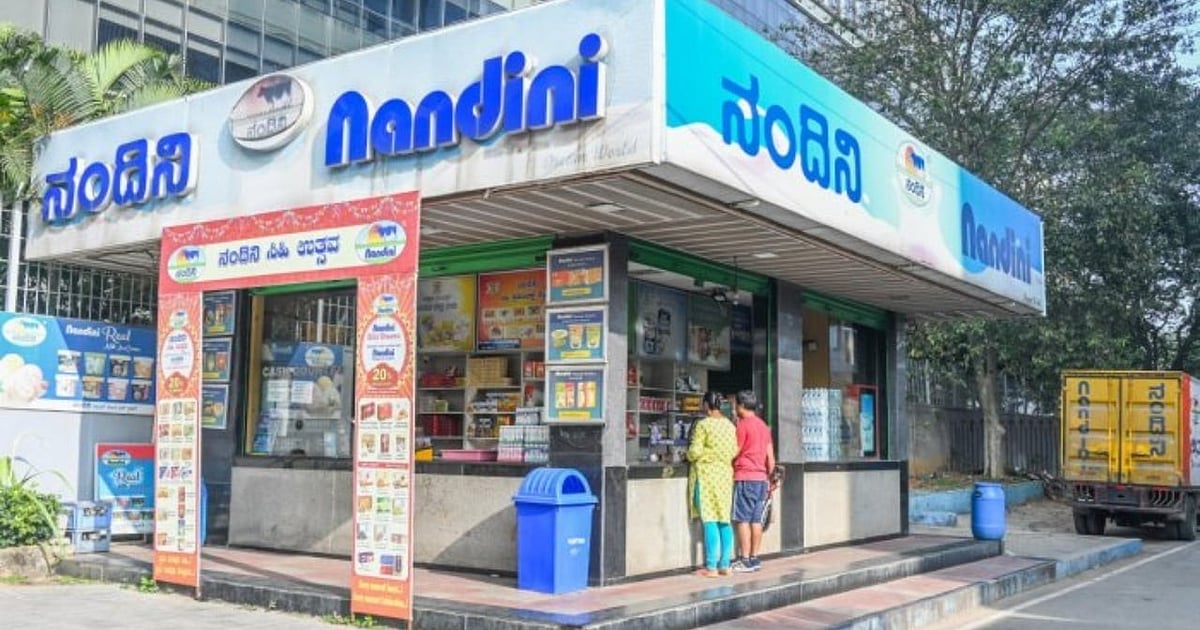
The Karnataka Milk Federation (KMF) has filed a formal complaint against a dermatologist for what it calls “baseless and unscientific” allegations about its Nandini brand of dairy products, according to officials familiar with the matter.
In a strongly worded statement, KMF representatives said the unfounded claims had triggered “unnecessary panic and confusion” among millions of consumers who have relied on the Nandini brand for decades. The federation emphasized that the allegations have potentially damaged the reputation of one of Karnataka’s most trusted dairy brands.
“These accusations have no scientific basis and appear designed to create fear among our loyal customers,” said a senior KMF official who requested anonymity because the matter is now under legal consideration. “We have built trust with consumers over generations through consistent quality and adherence to strict safety standards.”
The complaint comes amid growing concern about misinformation regarding food products on social media platforms, where unverified claims can rapidly reach millions of users before fact-checking can occur. Industry analysts note that such incidents have become increasingly common across India’s food sector, often resulting in temporary but significant sales declines.
The Nandini brand, operated by KMF, is a cornerstone of Karnataka’s dairy industry, providing livelihoods to thousands of dairy farmers across the state. With annual revenues exceeding ₹15,000 crore, KMF represents one of the largest cooperative dairy federations in southern India, processing approximately 8.5 million liters of milk daily.
“This isn’t just about a brand; it’s about protecting the economic interests of over 2.5 million dairy farmers who depend on KMF for their livelihood,” explained an industry observer familiar with the dairy sector in southern India. “Unfounded allegations can have serious ripple effects throughout the rural economy.”
The dermatologist, whose name has been withheld pending legal proceedings, allegedly posted claims on social media suggesting potential health concerns related to Nandini products without providing scientific evidence. The posts reportedly received thousands of shares before KMF became aware of them.
KMF has confirmed that all its products undergo rigorous quality testing and comply with Food Safety and Standards Authority of India (FSSAI) regulations. The federation maintains multiple testing facilities that conduct regular examinations of milk and dairy products to ensure they meet safety standards.
“We have invested heavily in modern testing equipment and follow international best practices in quality assurance,” the KMF spokesperson added. “Our processes are transparent and open to inspection by regulatory authorities at any time.”
The Karnataka government, which partially oversees KMF operations, has taken note of the situation. Sources within the state’s dairy development department indicated that authorities are monitoring the situation closely, given the importance of the dairy sector to the state’s rural economy.
Legal experts suggest that cases involving allegations against food products often fall under multiple legal frameworks, including consumer protection laws, food safety regulations, and defamation statutes.
“In such cases, the burden of proof typically falls on the person making the allegations,” said a Bengaluru-based legal expert specializing in food industry litigation. “Particularly when claims involve public health concerns, there’s an expectation that such statements should be backed by credible scientific evidence.”
The incident highlights the growing tensions between social media influence and traditional industries, with food products increasingly becoming targets of unverified health claims. Industry bodies have called for more robust mechanisms to counter misinformation affecting the food sector.
As the legal proceedings move forward, KMF has stated that it will continue to focus on maintaining product quality while defending its reputation against what it characterizes as unfounded accusations.
Fact Checker
Verify the accuracy of this article using The Disinformation Commission analysis and real-time sources.

5 Comments
This underscores the challenge of balancing free speech, consumer protection, and corporate interests. Hopefully, a reasonable resolution can be found through proper channels.
I’m curious to learn more about the specific allegations made by the doctor. Proper scientific testing and dialogue are important, rather than outright dismissal of concerns.
This seems like an overreaction by the dairy federation. While allegations should be backed by evidence, silencing doctors raises concerns about transparency and accountability in the industry.
Interesting case – the dairy company is clearly concerned about the impact of the doctor’s claims, even if they are unsubstantiated. Social media can amplify misinformation quickly, so I can understand their alarm.
You make a fair point. Reputation and consumer trust are critical for major brands, so they likely feel compelled to act strongly to protect their image.