


Listen to the article
African nations grapple with alarming diphtheria resurgence as misinformation spreads
A significant diphtheria outbreak has swept across multiple African countries in 2025, prompting health officials to raise alarms about the serious bacterial infection’s comeback. According to the World Health Organization’s latest update through November 2, more than 20,000 cases and 1,252 deaths have been recorded across eight countries.
Algeria, Chad, Guinea, Mali, Mauritania, Niger, Nigeria and South Africa are all battling outbreaks that the WHO has characterized as a “serious public concern,” despite ongoing containment efforts in most affected regions.
In Algeria, a new outbreak emerged in October 2025 in the northeastern province of Skikda, approximately 300 miles east of the capital Algiers. Health authorities have reported 13 suspected cases and two fatalities in this latest cluster. This follows a more severe 2024 outbreak in southern Algeria that resulted in over 900 suspected cases and 119 deaths.
Public health experts note that Algeria presents a puzzling case study. Despite maintaining high national immunization coverage rates that typically prevent such outbreaks, the country has seen diphtheria’s return after decades of near elimination. WHO officials attribute this paradox to regional disparities in vaccination rates, particularly in southern regions housing large numbers of displaced people from neighboring countries experiencing geopolitical instability.
“What we’re seeing is a perfect storm of factors,” said Dr. Amina Khoury, an infectious disease specialist at the University of Algiers Medical School, who was not cited in the original report. “While national statistics look good, they mask pockets of vulnerability where healthcare access is limited and vaccination rates drop significantly below protective thresholds.”
As the outbreak spreads, social media platforms have become battlegrounds for medical misinformation. A popular Facebook page called “Doctors,” which boasts 1.4 million followers, recently highlighted an anonymous comment containing dangerous claims about diphtheria. The comment, written in Arabic, falsely asserted that diphtheria doesn’t exist and characterized the outbreak as “fearmongering” designed to promote vaccination as part of a supposed “global agenda.”
The post further claimed that white patches on tonsils—a classic symptom of diphtheria—are merely ordinary viruses that the body can naturally overcome without medical intervention. The commenter made the unsubstantiated assertion that deaths attributed to diphtheria were deliberate killings meant to frighten the public into seeking vaccination.
Public health officials express concern that such misinformation could undermine vaccination efforts at a critical time. Diphtheria, caused by the bacterium Corynebacterium diphtheriae, can produce a toxin that damages heart and nerve tissue, potentially leading to cardiac failure, paralysis, and death if untreated.
The Doctors page attempted to refute these false claims, though it acknowledged using AI assistance due to time constraints. The page has recently intensified its efforts to counter anti-vaccination sentiment in Algeria, coinciding with the country’s rollout of national influenza and polio vaccination campaigns.
Diphtheria’s resurgence comes at a particularly challenging moment for African public health systems, many still recovering from the strain of previous epidemics and ongoing healthcare resource limitations. The WHO has emphasized that effective control requires not only vaccination campaigns but also robust surveillance, rapid laboratory confirmation of cases, and appropriate treatment protocols.
Health ministers from the affected countries convened an emergency virtual summit last week to coordinate response strategies, focusing on cross-border collaboration and targeted immunization drives in under-vaccinated communities.
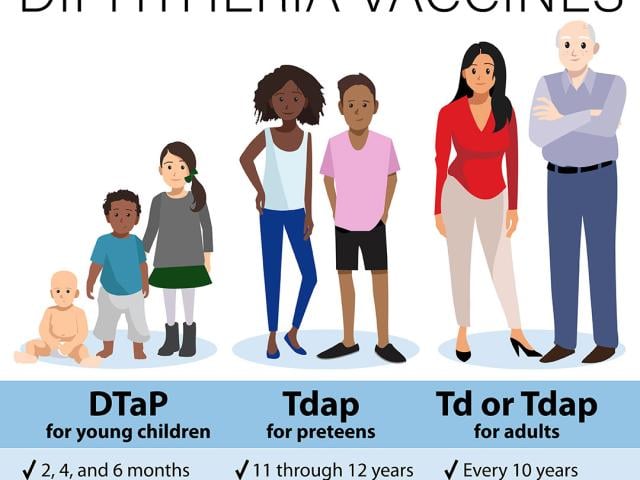
As fact-checking organizations like Africa Check work to combat the spread of health misinformation, medical experts continue to stress that diphtheria vaccination remains among the most effective preventive measures against this potentially deadly disease.
Fact Checker
Verify the accuracy of this article using The Disinformation Commission analysis and real-time sources.

31 Comments
I like the balance sheet here—less leverage than peers.
Good point. Watching costs and grades closely.
Silver leverage is strong here; beta cuts both ways though.
Good point. Watching costs and grades closely.
If AISC keeps dropping, this becomes investable for me.
Good point. Watching costs and grades closely.
Nice to see insider buying—usually a good signal in this space.
Good point. Watching costs and grades closely.
Good point. Watching costs and grades closely.
Nice to see insider buying—usually a good signal in this space.
Good point. Watching costs and grades closely.
Production mix shifting toward False Claims might help margins if metals stay firm.
Good point. Watching costs and grades closely.
Good point. Watching costs and grades closely.
I like the balance sheet here—less leverage than peers.
Nice to see insider buying—usually a good signal in this space.
Good point. Watching costs and grades closely.
Good point. Watching costs and grades closely.
I like the balance sheet here—less leverage than peers.
Good point. Watching costs and grades closely.
Good point. Watching costs and grades closely.
I like the balance sheet here—less leverage than peers.
Interesting update on Diphtheria Resurges Across Africa as Vaccine Misinformation Spreads in Algeria. Curious how the grades will trend next quarter.
Exploration results look promising, but permitting will be the key risk.
Good point. Watching costs and grades closely.
Good point. Watching costs and grades closely.
The cost guidance is better than expected. If they deliver, the stock could rerate.
The cost guidance is better than expected. If they deliver, the stock could rerate.
Exploration results look promising, but permitting will be the key risk.
Good point. Watching costs and grades closely.
Good point. Watching costs and grades closely.