


Listen to the article
Costco Faces Lawsuit Over Alleged False Advertising of Rotisserie Chicken
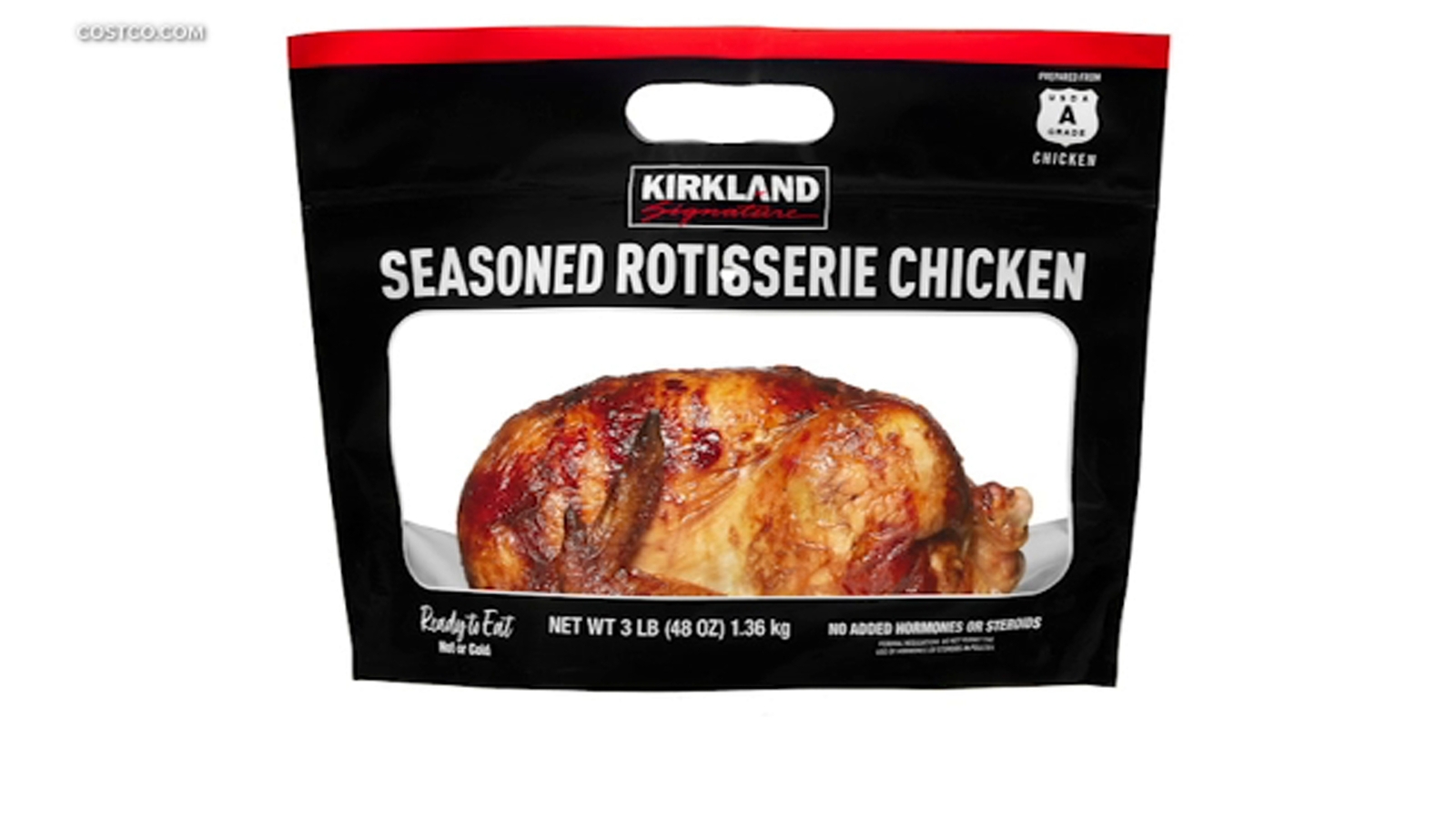
A lawsuit filed in San Diego federal court last Thursday accuses Costco of misleading consumers about its popular Kirkland Signature Seasoned Rotisserie Chicken products. The proposed class action claims the retail giant falsely advertised the chicken as containing “no preservatives” despite including additives that function as preservatives.
Escondido resident Anastasia Chernov and Big Bear resident Bianca Johnston are the named plaintiffs in the case. According to court documents, they allege Costco’s marketing materials—both on its website and in-store signage—prominently display “no preservatives” claims while the product contains sodium phosphate and carrageenan.
Food industry experts note that sodium phosphate is commonly used in processed meats to retain moisture and extend shelf life, while carrageenan, derived from seaweed, serves as a thickening agent and stabilizer. Both ingredients are approved by the FDA but have faced scrutiny from consumer advocacy groups in recent years.
The plaintiffs claim they would not have purchased the rotisserie chickens or would have paid less had they known about these additives. Their complaint goes further, alleging that Costco has “systemically cheated customers out of tens—if not hundreds—of millions of dollars” through this allegedly deceptive marketing practice.
“Consumers reasonably rely on clear, prominent claims like ‘No Preservatives,’ especially when deciding what they and their families will eat,” said Wesley M. Griffith, attorney for the plaintiffs, in a statement. “Costco’s own ingredient list contradicts its marketing. That’s unlawful, and it’s unfair.”
The lawsuit comes at a time when consumer awareness about food ingredients has reached unprecedented levels. Market research indicates that “clean label” products—those with minimal, recognizable ingredients—have seen substantial growth, with U.S. sales increasing by approximately 8% annually over the past five years.
Costco’s rotisserie chicken program represents a significant part of the company’s business model. The warehouse retailer famously prices its rotisserie chickens at $4.99, a figure that has remained unchanged since 2009 despite inflation and rising production costs. Industry analysts estimate Costco sells approximately 100 million rotisserie chickens annually, making it a cornerstone product that drives store traffic.
The retailer has invested heavily in vertical integration for its chicken program, including a $450 million processing facility in Nebraska that opened in 2019 to support its rotisserie chicken business.
This isn’t the first time Costco has faced scrutiny over its rotisserie chicken program. Animal welfare groups have previously criticized the company’s chicken farming practices, and other retailers have faced similar labeling lawsuits in recent years as consumers increasingly demand transparency about food ingredients.
Food labeling litigation has become increasingly common across the retail industry. Similar cases have targeted terms like “natural,” “organic,” and “additive-free” on various consumer products. Legal experts note that such cases typically hinge on whether a reasonable consumer would be misled by the marketing claims.
Costco has not yet issued a public response to the lawsuit. The company typically does not comment on pending litigation.
If certified as a class action, the lawsuit could potentially include thousands of California consumers who purchased the rotisserie chickens. The plaintiffs are seeking unspecified damages, an injunction to stop the alleged deceptive marketing, and corrective advertising.
The case will likely focus on whether sodium phosphate and carrageenan legally qualify as preservatives under FDA regulations and consumer protection laws, and whether Costco’s marketing would mislead reasonable consumers about the nature of these ingredients.
Fact Checker
Verify the accuracy of this article using The Disinformation Commission analysis and real-time sources.

6 Comments
While sodium phosphate and carrageenan may be FDA-approved, consumers have a right to expect ‘no preservatives’ claims to be accurate. It’s concerning if major retailers are misleading shoppers on product ingredients.
Absolutely. Companies should be held accountable for deceptive marketing, even if the ingredients are technically legal. Consumers deserve honesty, especially for staple products like rotisserie chicken.
This lawsuit raises valid questions about Costco’s ‘no preservatives’ claim. While the additives may serve functional purposes, that doesn’t necessarily mean they aren’t acting as preservatives. Clarity on ingredient labeling is crucial for informed consumer choices.
Agreed. Costco should address this issue transparently and make any necessary changes to ensure their marketing aligns with the actual product composition. Consumer trust is paramount.
This is an interesting case. It highlights the importance of transparency around food ingredients and marketing claims. Consumers should be able to trust that ‘no preservatives’ means just that, without hidden additives. I’m curious to see how this lawsuit plays out.
Agreed. Costco will likely need to justify its ‘no preservatives’ claim if the lawsuit proceeds. Transparency and accuracy in food labeling are important consumer protections.