


Listen to the article
Consumer refunds are now flowing to customers who purchased air purifying devices falsely advertised as COVID-19 prevention tools, following a complex legal saga involving civil settlements and criminal convictions against the company’s executives.
The Federal Trade Commission announced this week that more than $1.8 million in refunds have been distributed to nearly 18,000 consumers who purchased air purifiers from Activated Oxygen, a company that marketed its products as effective barriers against coronavirus infection during the height of the pandemic.
“Companies exploited widespread fear during a public health emergency to sell products with unsubstantiated claims,” said FTC Commissioner Rebecca Slaughter. “This refund program represents our ongoing commitment to making defrauded consumers whole while holding companies accountable for deceptive marketing practices.”
The refunds stem from a settlement reached last year after the FTC charged Activated Oxygen with falsely claiming their devices could eliminate 99.9% of airborne coronavirus particles and prevent COVID-19 infection. According to court documents, the company’s marketing materials suggested their purifiers created a “protective shield” against the virus despite having no scientific evidence to support these assertions.
The average refund check amounts to approximately $100, representing partial reimbursement for consumers who purchased the company’s premium models, which retailed between $299 and $799 during the pandemic. The FTC noted that the refund program prioritized consumers who purchased multiple units or the most expensive models.
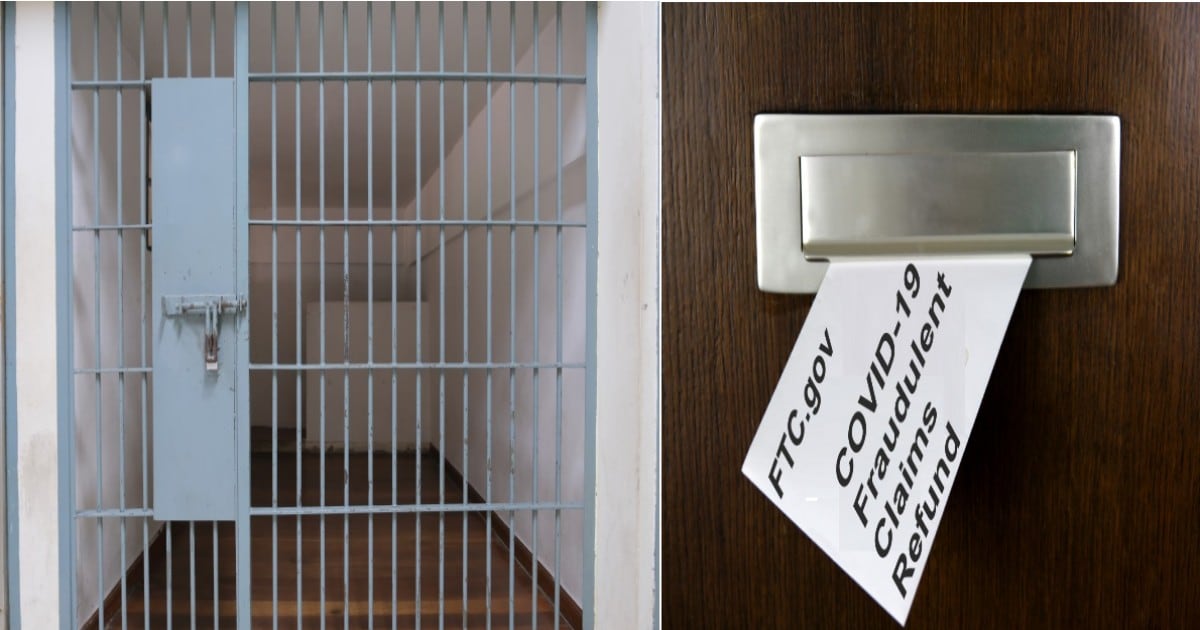
In an unusual development, the civil settlement ran parallel to criminal proceedings against Activated Oxygen’s founder and CEO, James Reynolds, and two other executives who were convicted of fraud and misleading advertising in federal court last month. Reynolds received a 30-month prison sentence, while his co-defendants received probation and substantial fines.
The dual civil and criminal actions highlight the increasingly aggressive approach regulatory agencies are taking against COVID-related fraud. Since March 2020, the FTC has sent warning letters to more than 350 companies regarding unsubstantiated COVID-19 prevention or treatment claims.
“This case represents one of the most egregious examples we’ve seen of pandemic profiteering,” said Assistant U.S. Attorney Margaret Williams, who prosecuted the criminal case. “The company’s internal communications revealed they knowingly repackaged existing air purifiers with minimal modifications while doubling the price specifically to capitalize on consumer fears.”
Market analysts note that the air purifier industry experienced unprecedented growth during the pandemic, with global sales increasing by 57% in 2020 alone. Legitimate manufacturers with proven filtration technologies, like Honeywell and Dyson, saw demand outpace supply for months. However, the surge also created opportunities for companies making dubious claims.
Dr. Eliot Sanders, an environmental health scientist at Columbia University who was not involved in the case, explained why consumers were particularly vulnerable to such claims: “Air purifiers with HEPA filtration can indeed capture some airborne particles, including some viruses. However, no air purifier alone can prevent COVID-19 infection, and marketing them as such crosses a critical line between explaining potential benefits and making false promises.”
The Activated Oxygen case underscores the challenges regulators face in policing health claims in emerging markets. By the time the FTC initially filed charges in late 2020, the company had already sold more than 75,000 units, generating approximately $25 million in revenue.
Consumer advocates have praised the refund program while noting its limitations. “While $1.8 million in refunds is significant, it represents just a fraction of what consumers spent on these products,” said Melissa Zhang, policy director at Consumer Health Watch. “Many people who purchased these devices believing they would protect their families won’t see a penny.”
The FTC has encouraged consumers who purchased Activated Oxygen products but did not receive a refund to contact the commission through its website. The agency also reminded consumers to be skeptical of products claiming to prevent or treat COVID-19 and to consult the FDA’s approved list of devices before making health-related purchases.
Fact Checker
Verify the accuracy of this article using The Disinformation Commission analysis and real-time sources.

11 Comments
It’s concerning to see companies exploiting a public health crisis for profit. I hope this refund program helps make the defrauded consumers whole again.
Rigorous oversight and enforcement are crucial to protect consumers from deceptive marketing, especially on sensitive health topics.
Glad to see the FTC taking action against deceptive COVID-19 marketing claims. Consumers deserve accurate information, especially during a public health crisis. This refund program seems like an appropriate remedy for those misled by the company’s false advertising.
I hope the criminal convictions of the executives serve as a strong deterrent to others looking to exploit vulnerable consumers through unsubstantiated health claims.
Unsubstantiated claims about COVID-19 prevention are unacceptable. This refund program seems like an appropriate remedy, but I hope the FTC continues to crack down on similar fraudulent activity.
Selling ineffective air purifiers as COVID-19 protection is incredibly unethical. I’m glad the FTC was able to hold this company accountable and provide restitution to the affected customers.
Hopefully this case sets a precedent for cracking down on fraudulent marketing, especially around public health issues.
I’m glad the FTC was able to provide refunds to the consumers who were misled by this company’s false advertising. Deceptive practices like this have no place, especially during a pandemic.
It’s good to see the FTC taking action against this company for their misleading marketing tactics. Consumers need to be able to trust the information they’re receiving, especially around public health issues.
Hopefully this case serves as a warning to other businesses that may be tempted to make false claims about their products’ ability to prevent COVID-19.
False claims about COVID-19 prevention are dangerous and can put people’s health at risk. Kudos to the FTC for the enforcement action and securing these consumer refunds.