


Listen to the article
Greek Orthodox Archbishop Wins $300,000 Defamation Case Against Journalist
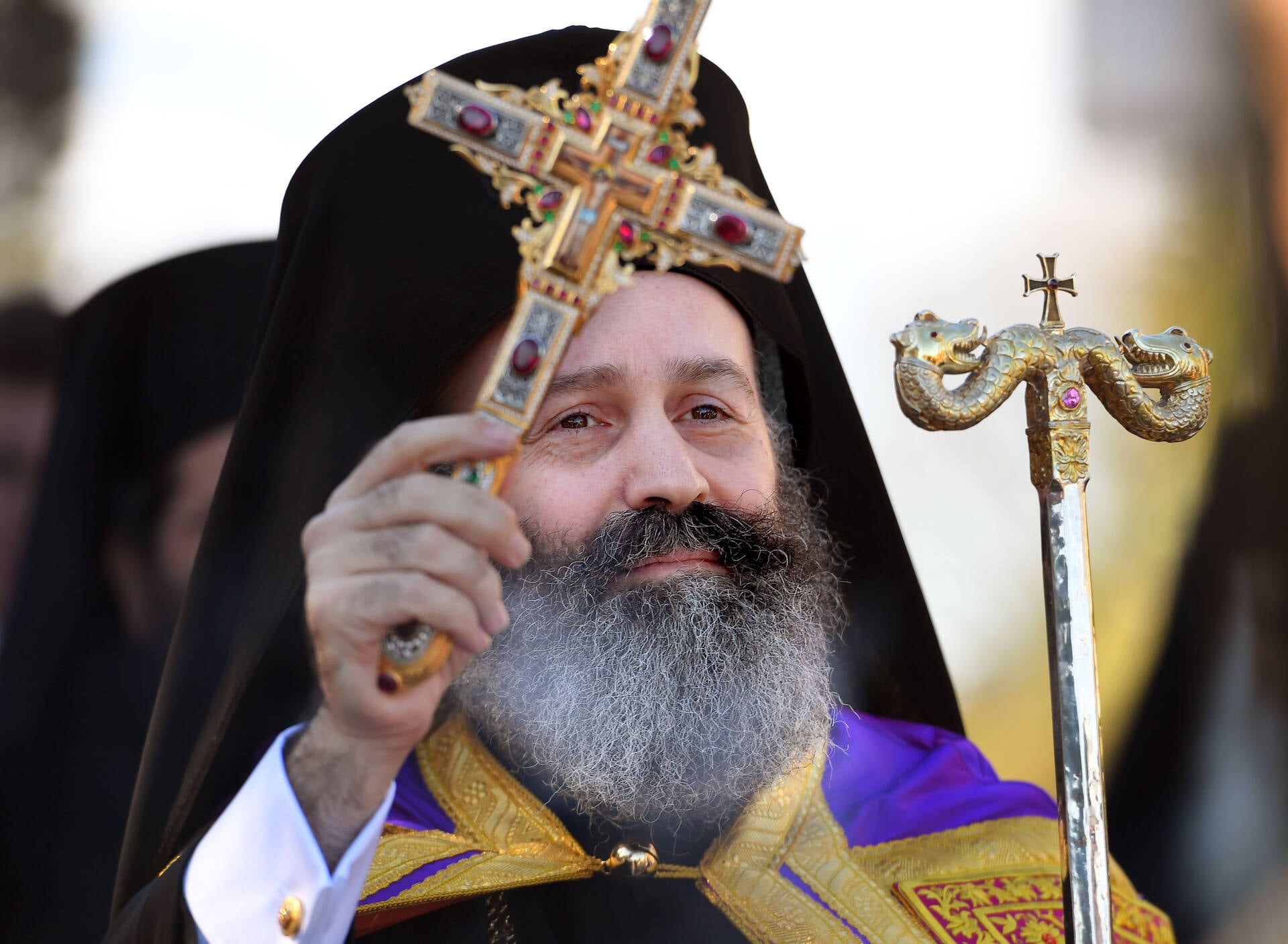
A veteran Greek-Australian journalist has been ordered to pay more than $300,000 in damages after the Federal Court ruled he defamed Archbishop Makarios Griniezakis, the leader of the Greek Orthodox Church in Australia, through a series of false allegations published online.
Federal Court Justice Wendy Abraham found that Alkis Morelas, who has worked in journalism for 55 years, published four defamatory articles on the Greek-language website Greek Flash News between 2021 and 2022. The court determined that Morelas fabricated evidence and distorted information in his reporting.
The articles contained serious and unfounded accusations against Archbishop Makarios, who has led the church throughout Australia and Oceania since 2019. Among the false claims, Morelas alleged that the Archbishop had misappropriated funds from a Black Summer bushfire charity appeal, used church money to finance personal holidays, and failed to take appropriate action against a priest accused of child sexual abuse.
In her judgment delivered on Friday, Justice Abraham dismissed Morelas’s defense that the articles represented his honest opinion and were published under qualified privilege. The court found “no reasonable justification for publishing the falsehoods” and noted that Morelas had admitted during cross-examination that he lacked personal knowledge of the matters he reported on.
“There is no reliable evidence of appropriate fact-checking before publication,” Justice Abraham wrote. The court also highlighted that Morelas failed to contact the Archdiocese’s media unit to provide the Archbishop an opportunity to respond to the allegations before publication—a fundamental journalistic practice.
The judgment revealed that Morelas used “florid and offensive language” in his articles, referring to Archbishop Makarios with derogatory terms including “pervert,” “representative of Satan,” and “whore of the Archdiocese.” Morelas also claimed the Archbishop executed “contracts of death” against those who opposed him.
During the proceedings, the court found that the Archbishop was a “credible and reliable witness.” Archbishop Makarios testified that he spent between $60,000 and $80,000 annually, primarily on travel throughout Australia related to his official duties. Justice Abraham noted, “His evidence was that his strictly personal expenses were modest. There is no evidence to the contrary.”
The impact of the defamatory articles was significant despite the relatively small readership of Greek Flash News, which had approximately 2,000 monthly visitors during the relevant period. Archbishop Makarios testified that he felt humiliated and offended by the publications, which attracted attention from Patriarch Bartholomew, the global leader of the Orthodox Church, and generated frequent questions from community members. Witnesses reported seeing the Archbishop in tears on several occasions as a result of the allegations.
The court awarded aggravated damages partly because Morelas continued to publish defamatory content after receiving a court order to cease. “Mr. Morelas has not apologized, but rather took the opportunity to make further allegations,” Justice Abraham wrote. The total damages awarded were $300,000, including $50,000 in aggravated damages. Morelas was also ordered to pay the Archbishop’s legal costs.
Following the judgment, Morelas took to social media to announce that his legal team would examine the possibility of appealing the decision to the High Court.
The case highlights the serious consequences of publishing unsubstantiated allegations against public figures, even on platforms with relatively limited reach. It also underscores the importance of journalistic standards including fact-checking, seeking comment from subjects of reporting, and the legal boundaries of opinion and qualified privilege defenses in defamation law.
Fact Checker
Verify the accuracy of this article using The Disinformation Commission analysis and real-time sources.

12 Comments
This is an unfortunate situation. While freedom of the press is important, journalists must be held accountable for publishing false and defamatory claims. The church leader deserves to be compensated for the harm caused to his reputation and the humiliation he faced.
I agree. Responsible journalism requires verifying facts before publication. Fabricating evidence and distorting information crosses an ethical line.
It’s good to see the court system uphold the truth and protect against malicious misinformation. Journalists should strive for accuracy and fairness, not sensationalism. This ruling sends a clear message that there are consequences for publishing falsehoods.
Absolutely. Credibility and public trust in the media are at stake when journalists abuse their platform for personal agendas rather than serving the public interest.
This is a clear case of journalistic malpractice. The court’s decision to award substantial damages sends a strong message that fabricating evidence and distorting information will not be tolerated. Responsible journalism is essential for maintaining public trust and a healthy democracy.
Well said. Journalists have a duty to the public to report truthfully and fairly. This ruling upholds that fundamental principle of the profession.
While freedom of expression is vital, it does not give journalists the right to publish false and defamatory information. This case shows the importance of fact-checking and responsible reporting, especially when reporting on public figures. The court’s decision upholds the principles of ethical journalism.
I agree. Journalists must balance their right to report with the obligation to ensure the truthfulness of their claims. This ruling reinforces that standard.
It’s concerning to see such blatant fabrication and distortion of facts by an experienced journalist. The church leader deserves this compensation, as the false claims must have caused significant personal and professional harm. Journalists need to uphold the highest ethical standards.
Absolutely right. This ruling demonstrates that there are real consequences for journalists who abuse their power and trust. Accuracy and integrity should always come first.
This case highlights the importance of defamation laws in safeguarding individuals from reputational harm. While the press must be free to report, they must also be accountable for verifying claims, especially when targeting public figures. The court’s ruling upholds those principles.
Agreed. Responsible journalism is crucial, and this judgment reinforces that the courts will not tolerate reckless disregard for the truth.