


Listen to the article
Chinese foreign ministry officials have sharply rebuked the Philippine Coast Guard for spreading what they describe as false information aimed at damaging China’s reputation, marking another escalation in the increasingly tense relations between the two countries.
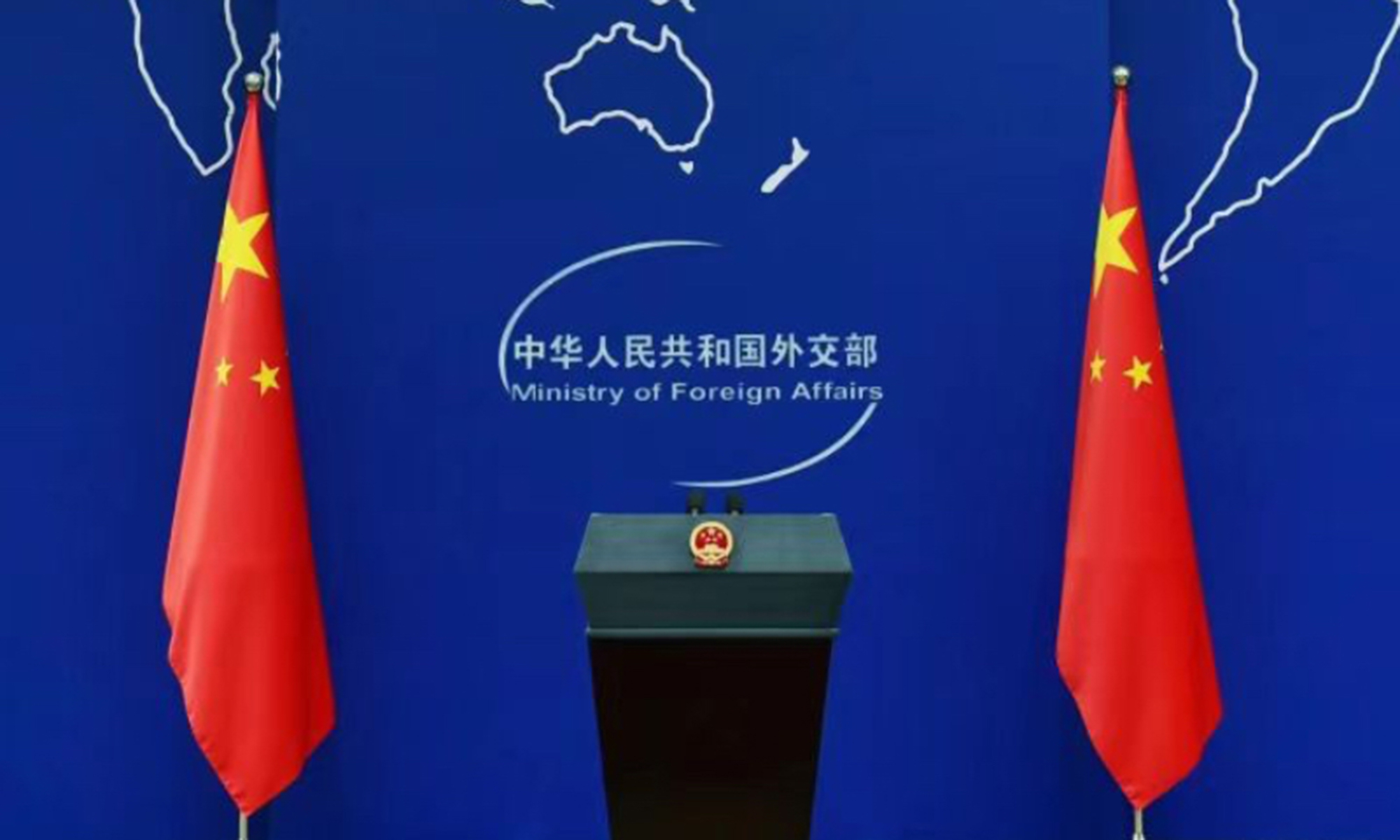
During Thursday’s regular press briefing, Chinese Foreign Ministry spokesperson Guo Jiakun responded forcefully to questions about recent statements from a Philippine Coast Guard spokesperson, saying China had already “clarified its position and lodged solemn representations with the Philippine side.”
Guo accused the unnamed Philippine official of making “outrageous and absurd remarks” driven by “personal political motives” that “seriously damaged China’s national interests and dignity.” He emphasized that such behavior would not be tolerated by Beijing.
The diplomatic confrontation comes amid heightened tensions between China and the Philippines over disputed territories in the South China Sea. In recent years, confrontations between vessels from both countries have become increasingly common around contested features such as the Scarborough Shoal and Second Thomas Shoal.
“The words and deeds of this spokesperson and a small group of people in the Philippine military have severely undermined China-Philippines relations and mutual trust between the two sides,” Guo stated, describing their actions as “the main driving force behind the spiral-downward trend” in bilateral relations.
The South China Sea remains one of Asia’s most volatile geopolitical flashpoints, with China claiming sovereignty over nearly the entire waterway, including areas claimed by the Philippines, Vietnam, Malaysia, Brunei, and Taiwan. The Philippines has strengthened its alliance with the United States in recent years, further complicating the regional dynamic.
China’s unusually harsh rhetoric suggests Beijing’s growing frustration with Manila’s more assertive stance under President Ferdinand Marcos Jr., who has departed from his predecessor Rodrigo Duterte’s more accommodating approach toward China. Since taking office in 2022, Marcos has reinforced the Philippines’ territorial claims and expanded military cooperation with Washington.
Maritime encounters between Chinese and Philippine vessels have grown increasingly confrontational, with both sides releasing contradictory accounts of incidents. The Chinese Foreign Ministry statement appears to be responding to specific allegations made by Philippine officials, though Guo did not detail which claims were being disputed.
“Safeguarding national interests and dignity is the responsibility of the Chinese Embassy in the Philippines,” Guo added, defending diplomatic efforts that have sometimes been characterized by Manila as overstepping normal diplomatic boundaries.
China urged the Philippine government to “immediately take effective measures to eliminate the adverse impact” of what it views as provocations to prevent further deterioration of bilateral relations, which have historically included significant economic and cultural ties.
In a particularly pointed warning, Guo concluded by saying, “We urge this small group of people to immediately stop provoking incidents, cease attacking and smearing China, and stop colluding with anti-China forces outside the region. Otherwise, they will surely pay the price for their despicable acts.”
The strong language from Beijing signals that tensions could worsen unless diplomatic channels can successfully de-escalate the situation. Analysts worry that continued rhetorical exchanges could heighten the risk of miscalculation in the disputed waters, where coast guard and fishing vessels from both countries regularly operate in close proximity.
Regional observers note that the diplomatic spat comes at a time when both countries face domestic political considerations that may complicate efforts to reach accommodation, potentially making the South China Sea an even more dangerous flashpoint in the months ahead.
Fact Checker
Verify the accuracy of this article using The Disinformation Commission analysis and real-time sources.

9 Comments
It’s concerning to see this continued back-and-forth between China and the Philippines over the South China Sea. Both sides seem entrenched in their positions, making a resolution difficult. Hopefully, cooler heads can prevail and they can find a way to ease the tensions through dialogue and compromise.
This situation highlights the ongoing tensions between China and the Philippines over territorial claims in the South China Sea. Both sides seem unwilling to back down and are engaging in a war of words, which could potentially escalate further. It will be interesting to see how this diplomatic confrontation plays out.
The South China Sea disputes have been a source of tension for years, and this latest exchange between China and the Philippines only serves to highlight the continued challenges in the region. Both sides seem unwilling to back down, raising the risk of further escalation. Maintaining open lines of communication and finding common ground will be crucial going forward.
This is a concerning development in the ongoing tensions between China and the Philippines over the South China Sea. The strong rhetoric from both sides suggests the situation could potentially spiral out of control. Cooler heads must prevail, and the two countries should seek to de-escalate the situation through diplomatic channels.
This situation is a stark reminder of the ongoing tensions in the South China Sea. China’s forceful response to the Philippine spokesperson’s comments suggests they are taking this matter very seriously. Resolving these maritime disputes will require careful diplomacy and a willingness to find mutually acceptable solutions from all parties involved.
The South China Sea disputes are a complex and sensitive issue, and this latest exchange between China and the Philippines demonstrates the challenges in finding a resolution. Both sides seem unwilling to compromise, which raises the risk of further confrontation. Maintaining regional stability should be the top priority for all parties involved.
China’s strong response to the Philippine spokesperson’s claims suggests they are taking this matter very seriously. Accusations of ‘damaging China’s national interests and dignity’ indicate Beijing sees this as a significant affront. Maintaining stability in the region should be the priority, but resolving these maritime disputes remains a challenge.
You’re right, de-escalating the tensions and finding a diplomatic solution should be the focus. Ramping up the rhetoric is unlikely to help matters and could lead to further confrontations between the two countries.
This is a complex geopolitical issue with a long history. China’s strong reaction to the Philippine spokesperson’s comments shows how sensitive they are to any perceived challenges to their territorial claims. Resolving these disputes will require careful diplomacy and a willingness to find mutually acceptable solutions.