


Listen to the article
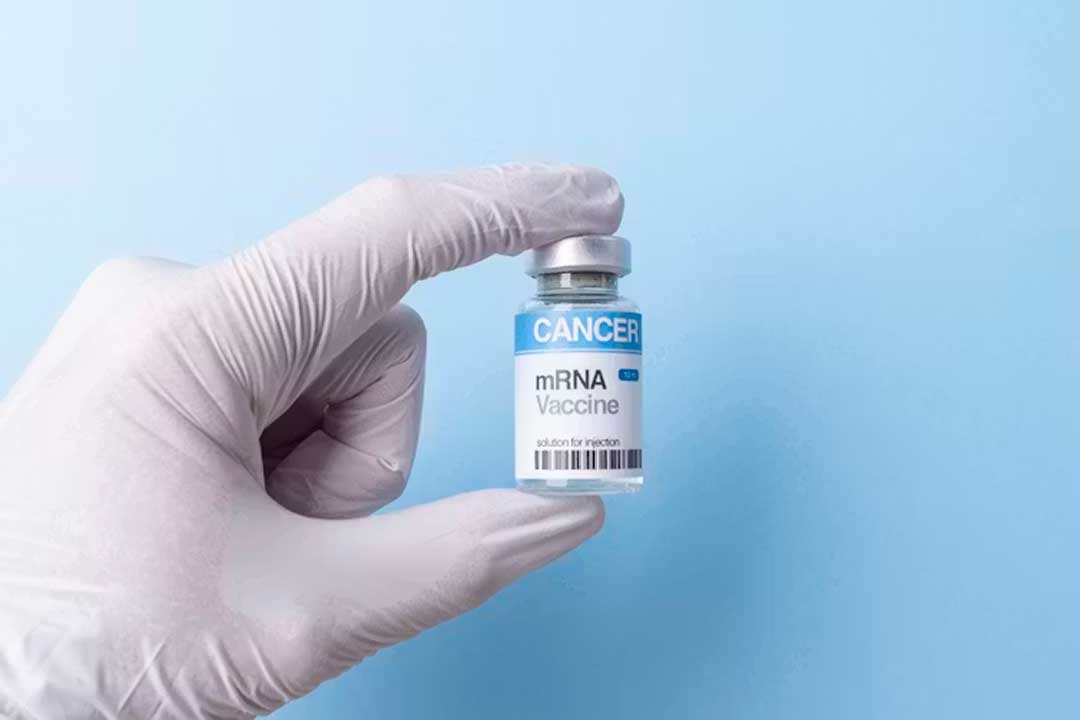
Scientists are making significant strides toward developing mRNA cancer vaccines that could revolutionize cancer treatment by enhancing the immune system’s ability to combat tumors. Since the early 2000s, researchers have conducted over 120 clinical trials testing mRNA vaccines against various cancer types, including melanoma, brain, breast, lung, and prostate cancers.
This promising research, however, has been overshadowed by a wave of misinformation known as “turbo cancer” – the false claim that COVID-19 mRNA vaccines cause unusually aggressive cancers. This narrative began circulating widely on social media before breaking into mainstream media coverage in late 2022.
Health communication researchers monitoring cancer-related online discussions have observed how rapidly such misinformation spreads and its potential impact on health decisions. The concern is that these false narratives could undermine public confidence in what may become a vital tool in cancer prevention and treatment.
While most people first encountered mRNA technology through COVID-19 vaccines, scientists have been studying this approach for decades. mRNA vaccines work by delivering instructions that prompt cells to produce specific proteins, which teaches the immune system to recognize and attack these proteins. In cancer applications, this technology allows for highly targeted vaccines that train the immune system to identify and destroy tumor cells while sparing healthy tissue.
One promising example comes from glioblastoma research, where personalized mRNA vaccines have demonstrated the ability to rapidly activate patients’ immune systems against this aggressive brain cancer, potentially improving survival rates. The growing evidence suggests mRNA vaccines could transform cancer immunotherapy, but even the most promising medical advances require public acceptance to be effective.
The “turbo cancer” narrative has gained traction despite lacking scientific evidence. In September 2025, a controversial British cardiologist claimed without substantiation that COVID-19 vaccines contributed to cancer diagnoses in the royal family, prompting immediate condemnation from medical professionals. Though uncommon, some public figures and health practitioners have propagated these claims by misinterpreting or misrepresenting research findings.
Health misinformation typically involves false or misleading health-related claims unsupported by scientific evidence, often based on unverified personal anecdotes or presenting opinions as facts. The COVID-19 pandemic accelerated vaccine misinformation, creating what researchers term an “infodemic” – the rapid proliferation of both accurate and false health information during a public health crisis.
Social listening studies tracking online conversations have documented countless posts about “turbo cancer” from mid-2023 through early 2026. These posts frequently rely on emotionally charged anecdotes, misinterpretations of animal studies, misuse of adverse event reporting data, and recycled myths about vaccines altering human DNA. Some attempt to link rising cancer rates among younger adults to COVID-19 vaccination, despite large population studies finding no increased cancer risk following vaccination.
While fringe claims about “turbo cancer” might seem easy to dismiss, research demonstrates they can have significant real-world consequences. Inaccurate information about cancer treatment is widespread online and has been shown to influence patient decisions. When patients choose unproven approaches over recommended therapies, their mortality risk can increase substantially.
Oncologists increasingly report needing to address myths and misinformation that patients encounter online, though comprehensive data on the frequency of these discussions across cancer care settings remains limited.
The emerging field of mRNA technology is at a pivotal development stage, with scientific progress outpacing public understanding. Repeated exposure to misleading claims risks eroding trust in mRNA technology, potentially leading some patients to decline effective mRNA therapies in the future. If narratives like “turbo cancer” continue to spread unchecked, they could complicate the future implementation of mRNA vaccines and limit their potential benefits.
Research consistently shows that proactive, transparent, and persuasive communication can counter misinformation, though trust, once damaged, is difficult to restore. Effective strategies include monitoring emerging misinformation trends on social media, addressing concerns early, equipping healthcare providers for productive patient conversations, and designing public health messaging that builds understanding of new medical technologies before their clinical introduction.
The future of cancer care depends not only on scientific breakthroughs but also on maintaining public understanding and trust. Ensuring that evaluations of innovations like mRNA cancer vaccines are based on evidence rather than misinformation is itself a crucial scientific challenge.
Fact Checker
Verify the accuracy of this article using The Disinformation Commission analysis and real-time sources.

23 Comments
Production mix shifting toward False Claims might help margins if metals stay firm.
Uranium names keep pushing higher—supply still tight into 2026.
The cost guidance is better than expected. If they deliver, the stock could rerate.
Good point. Watching costs and grades closely.
Good point. Watching costs and grades closely.
Silver leverage is strong here; beta cuts both ways though.
Good point. Watching costs and grades closely.
Exploration results look promising, but permitting will be the key risk.
Good point. Watching costs and grades closely.
I like the balance sheet here—less leverage than peers.
Exploration results look promising, but permitting will be the key risk.
Good point. Watching costs and grades closely.
Uranium names keep pushing higher—supply still tight into 2026.
Good point. Watching costs and grades closely.
Interesting update on Cancer Vaccines Show Promise, but Misinformation Poses Risk to Progress. Curious how the grades will trend next quarter.
Good point. Watching costs and grades closely.
Good point. Watching costs and grades closely.
I like the balance sheet here—less leverage than peers.
Good point. Watching costs and grades closely.
Good point. Watching costs and grades closely.
Silver leverage is strong here; beta cuts both ways though.
Good point. Watching costs and grades closely.
Good point. Watching costs and grades closely.