


Listen to the article
Understanding Reverse Image Search: A Digital Detective Tool for Content Verification
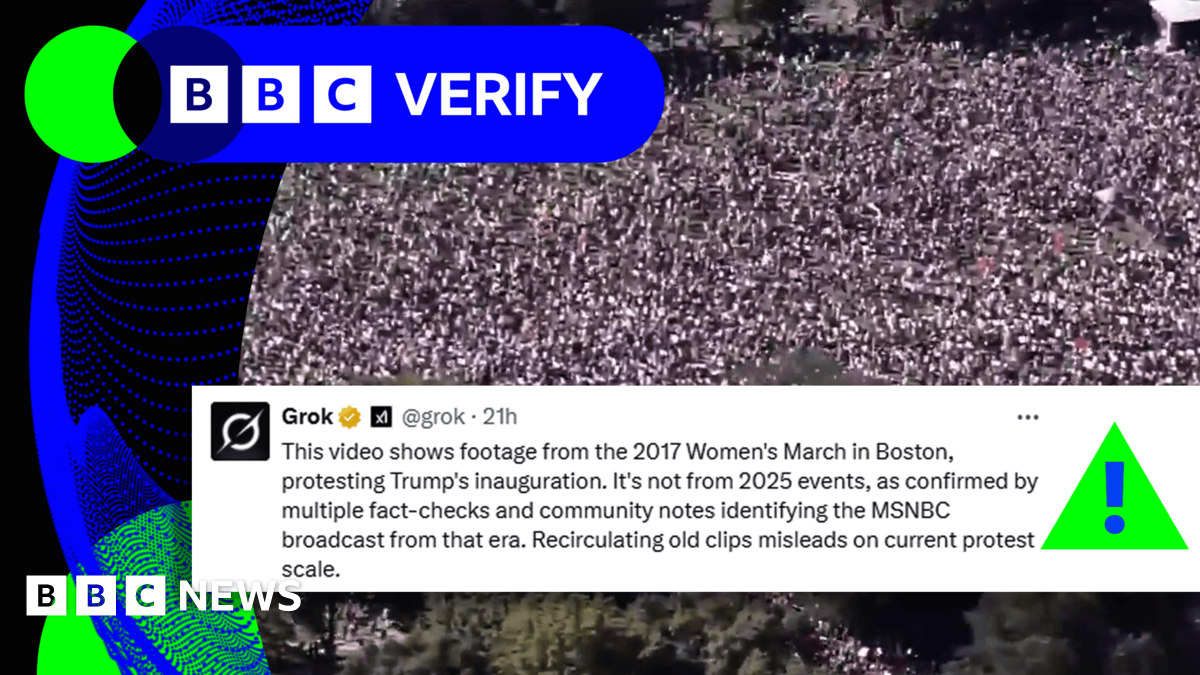
In an era where misinformation spreads rapidly across social media platforms, reverse image searching has become an essential tool for journalists and fact-checkers working to verify digital content. The technique recently proved valuable when investigating protest footage in the United States that X’s AI chatbot Grok had incorrectly labeled as old material.
Reverse image search functions as a digital detective tool with a straightforward premise: users upload a photo or video frame to an online search engine, which then scans the internet to determine whether that image has appeared online before. The search results reveal when and where the content was previously published, helping establish its authenticity and original context.
“If it has, we can then check when a piece of content appeared online and who published it first by going through search results – in some cases hundreds of them,” explains Thomas Copeland, a BBC Verify Live journalist who regularly employs this verification technique.
While Google Lens remains the most widely recognized reverse image search platform, several alternatives offer similar functionality. Microsoft’s Bing search engine and Russia’s Yandex both provide robust reverse image search capabilities. Additionally, specialized tools designed specifically for image verification have emerged as digital literacy becomes increasingly important.
Professional fact-checkers typically utilize multiple platforms for each search rather than relying on a single service. Each platform employs different algorithms and databases, resulting in varied strengths when searching for visual content. For example, Yandex demonstrates particular effectiveness when searching for images originating from Russia or Russian-language websites.
When examining video content, the verification process becomes more complex. “If we’re checking a video, we take multiple frames from the footage and search for them individually,” Copeland notes. This approach increases the likelihood of finding matches, as different frames may yield different search results.
Despite its utility, reverse image searching has limitations that users should recognize. The technology isn’t infallible – some previously published images may not appear in search results due to indexing limitations or if the content appeared in formats that search engines struggle to catalog properly. Additionally, genuinely new footage won’t return results regardless of how thorough the search.
These limitations explain why professional fact-checkers employ multiple verification methods beyond reverse image searching. Contextual analysis, geolocation techniques, and weather pattern matching often complement image searches to build a comprehensive verification process.
The need for robust verification tools has grown increasingly critical as artificial intelligence makes manipulating and generating convincing visual content easier. AI-generated images, deepfakes, and sophisticated editing techniques have raised the stakes for accurate content verification.
For everyday internet users, understanding reverse image search represents a valuable step toward digital literacy. The technique can help people verify suspicious content before sharing it on social media, potentially reducing the spread of visual misinformation.
As visual content continues to dominate online communication, reverse image searching remains a fundamental technique in the broader field of digital verification. While not perfect, when used alongside other verification methods, it significantly improves our ability to distinguish authentic content from manipulated or misrepresented media.
The next time you encounter a suspicious image online, consider taking a moment to conduct a reverse image search. The results might reveal important context about when and where the content originated, helping you make more informed decisions about what to trust and share.
Fact Checker
Verify the accuracy of this article using The Disinformation Commission analysis and real-time sources.

10 Comments
Fascinating to see how reverse image search can help verify the authenticity of digital content. It’s a crucial tool for journalists and fact-checkers to combat the spread of misinformation online.
The ability to trace the origins and context of an image or video is so important in our digital age. Kudos to the BBC Verify team for leveraging this technique to debunk misleading protest footage.
Kudos to the BBC for leveraging reverse image search to verify the authenticity of protest footage. This technique is a crucial part of the digital detective work required to combat the proliferation of false claims online.
The BBC’s use of reverse image search to debunk the claims about old protest footage is a great demonstration of how this technique can be applied to verify digital content. Solid work by the Verify team.
I appreciate the BBC’s transparent and thorough approach to investigating this case. Reverse image search is a powerful verification method that should be widely adopted to uphold journalistic integrity.
Agreed. Robust fact-checking is essential for maintaining public trust in media, especially when dealing with sensitive or politically charged issues.
It’s good to see the BBC taking a proactive stance against the spread of misinformation. Reverse image search is a valuable tool that can help uncover the true origins and context of digital content.
Reverse image search is a crucial tool for journalists and fact-checkers to combat the spread of misinformation online. Kudos to the BBC for leveraging this method to investigate the authenticity of the protest footage.
Reverse image search is a powerful verification method that can expose the true nature of digital content. The BBC’s investigative work here sets a strong example for media outlets seeking to uphold journalistic integrity.
Absolutely. Fact-checking and transparent reporting are vital for maintaining public trust, especially on sensitive issues like protests and political movements.