


Listen to the article
Sharp Words Exchanged as Agricultural Policies Become Political Battleground in Andhra Pradesh
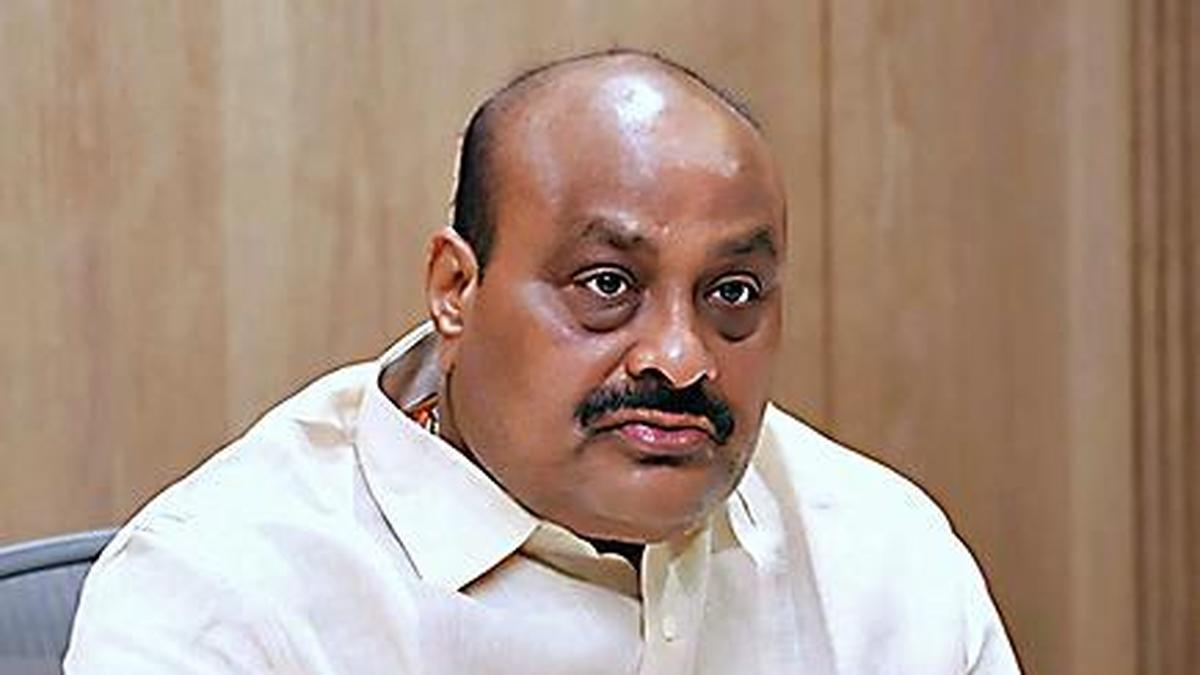
In a scathing critique that highlights the growing political tension in Andhra Pradesh, Agriculture Minister K. Atchannaidu launched a blistering attack on former Chief Minister Y.S. Jagan Mohan Reddy on Thursday, labeling him the “Ambassador of Lies” and accusing him of deliberately misleading the agricultural community with false narratives.
Speaking to reporters at a press conference, Atchannaidu highlighted what he described as a stark contrast between the current alliance government’s agricultural initiatives over the past 18 months and the previous YSRCP administration’s performance under Reddy’s leadership.
“The agricultural sector suffered unprecedented setbacks during Mr. Reddy’s tenure, and now he’s attempting to mask these failures through calculated misinformation,” Atchannaidu said, pointing to what he claimed was a pattern of unfulfilled promises that left farmers vulnerable.
The minister’s remarks come amid intensifying political rivalry in the state, where agriculture remains a critical economic pillar. Andhra Pradesh, one of India’s major agricultural producers, has approximately 8.5 million farmers who contribute significantly to the state’s GDP through crops like rice, sugarcane, cotton, and various fruits.
At the center of Atchannaidu’s allegations was the claim that the previous government left behind substantial financial liabilities in the agricultural sector. He cited pending payments of ₹1,674 crore for paddy procurement that the current alliance government had to address immediately upon taking office.
“Since assuming power, our administration has released ₹13,858 crore for kharif and rabi 2024-25 paddy procurement, with 95% of payments processed within 48 hours,” Atchannaidu stated, highlighting what he described as a marked improvement in payment efficiency.
The current government’s market intervention initiatives have also been substantial, according to the minister. He noted that over ₹800 crore was allocated in 16 months to stabilize crop prices for several key agricultural products, including tobacco, mango, onion, cocoa, and tomato. This amount stands in contrast to the ₹1,475 crore spent throughout the entire previous administration’s term, he claimed.
The minister also highlighted recent relief measures, including ₹310 crore in input subsidies distributed to approximately two lakh farmers since June 2024. Additionally, he mentioned that compensation had been provided to families of 81 farmers who died by suicide during the previous government’s tenure—a pointed reference to agricultural distress during that period.
Agricultural experts note that these competing claims reflect broader challenges in Andhra Pradesh’s farming sector, which has faced difficulties including water management issues, climate volatility, and market fluctuations. The state’s agricultural landscape has been further complicated by the ongoing transition toward sustainable farming practices and crop diversification efforts.
In what appears to be an effort to bring the debate into the public sphere, Atchannaidu challenged the former Chief Minister to a public debate on agricultural policies. “Our government is systematically restoring farmer confidence and revitalizing the agricultural sector,” he asserted, warning that political maneuvers aimed at obstructing development would face rejection from voters.
The exchange underscores how agricultural policy has become a pivotal battleground in Andhra Pradesh politics, with both sides claiming to represent farmers’ interests. The state’s agricultural community, which represents a significant voting bloc, continues to face challenges including input costs, climate impacts, and market access issues.
As this political confrontation unfolds, stakeholders across the agricultural value chain are closely watching how competing policy approaches might affect the sector’s future development and sustainability in a state where farming remains both an economic necessity and a deeply political issue.
Fact Checker
Verify the accuracy of this article using The Disinformation Commission analysis and real-time sources.

9 Comments
The sharp words between these political rivals highlight how agriculture has become a key battleground issue. With farming being so vital to Andhra Pradesh’s economy, it’s understandable that both sides would want to claim credit for supporting farmers. A substantive debate on the facts and merits of their respective policies would be informative for the public.
This sounds like a heated political exchange over agricultural policies in Andhra Pradesh. While the claims on both sides seem quite partisan, it’s good to see the Agriculture Minister willing to debate the issues directly with the former Chief Minister. Transparent public discussions on such important topics are critical for democracy.
Interesting to see the current government accusing the previous administration of misleading the agricultural community. I’m curious to hear more details about the specific policy differences and their real-world impacts on farmers. A constructive debate focused on facts rather than partisan rhetoric could help shed light on the issues at hand.
This seems to be a classic case of political rivals trying to score points by attacking each other’s records. While the rhetoric is heated, I’m hopeful that a substantive debate on the actual agricultural policies and their impacts could provide valuable information for farmers and the public. Transparent discussions are critical for accountability.
The Agriculture Minister’s strong language in calling the former Chief Minister the ‘Ambassador of Lies’ indicates just how polarized the political environment has become. While I can’t assess the validity of the specific claims, I hope the proposed debate can shift the focus to evidence-based policy discussions that prioritize the needs of farmers.
The sharp exchange between the Agriculture Minister and former Chief Minister highlights the political sensitivities around agricultural issues in Andhra Pradesh. A constructive, fact-based debate could help move the discussion in a more productive direction and inform voters about the merits of the respective policy approaches.
It’s concerning to see such a polarized political environment around agricultural policies in Andhra Pradesh. While I don’t have enough context to assess the validity of the claims, I hope the proposed debate between the minister and former chief minister can move beyond political posturing and provide clarity for farmers and the public.
I agree, a substantive and transparent debate on the merits of their respective policies would be valuable. Partisan rhetoric often obscures the real-world impacts, so it’s important to cut through the political noise and focus on facts and outcomes for farmers.
This exchange highlights the political sensitivities around agricultural issues in Andhra Pradesh. Both sides seem intent on winning the PR battle rather than finding common ground. A frank, fact-based debate could help move the discussion in a more constructive direction and benefit the farming community.