


Listen to the article
In a rare public statement, the Thai military has denied several allegations by Cambodia regarding an ongoing border dispute that has heightened tensions between the two Southeast Asian neighbors.
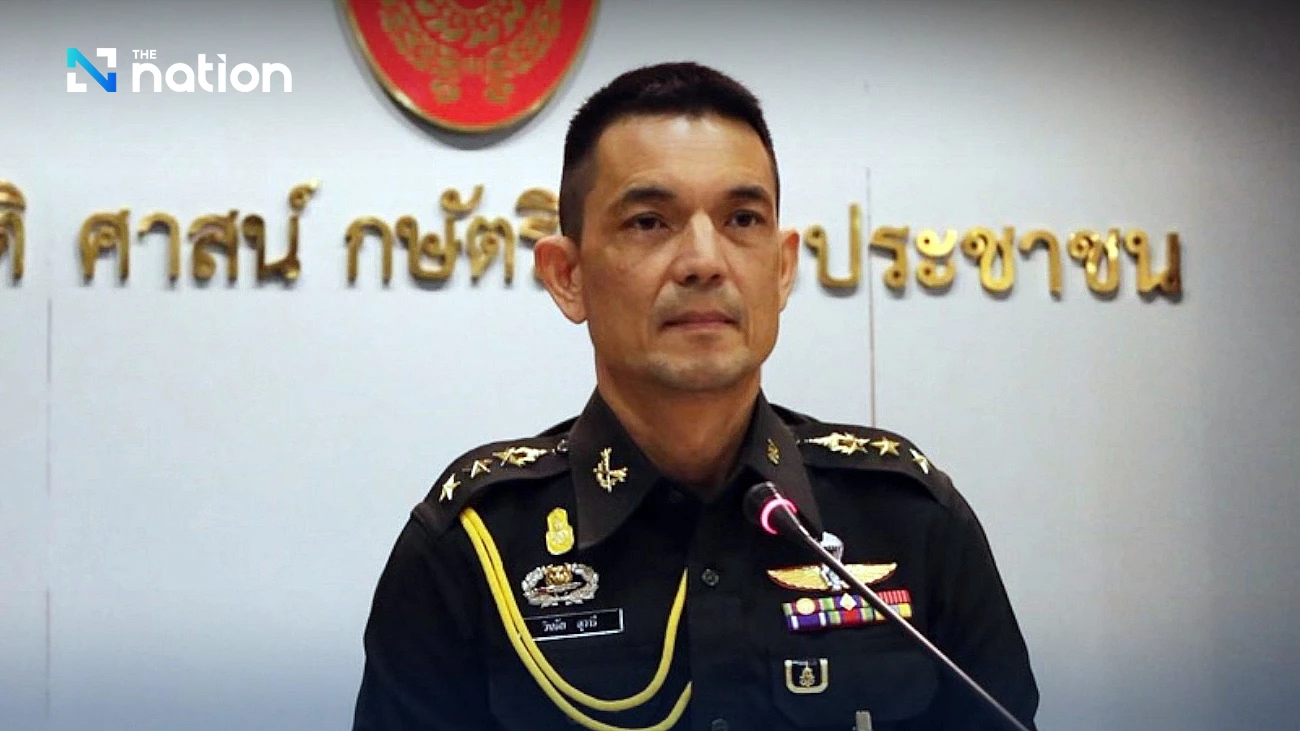
Colonel Winthai, speaking as a military representative, firmly rejected claims that Thailand conducted psychological warfare operations by broadcasting “crying ghost” sounds and funeral music at 3 AM to frighten Cambodian children in border villages. According to Winthai, these actions were carried out by Thai civilians protesting what they perceived as violations of Thai sovereignty, not as part of official military operations.
“This was an expression by Thai civilians responding to what they saw as aggressive assembly and unlawful violence against Thai police within our territory,” Winthai stated. He further argued that such actions could not be classified as torture since they were not performed by state officials, and those affected “could leave to avoid the noise.” The colonel also alleged that Cambodia regularly employs information operations to portray itself as a victim on the international stage.
The military spokesman also dismissed accusations that the Thai government has been using the border situation and Cambodian lives as a political strategy ahead of elections. He emphasized that protecting sovereignty and public safety remains the army’s legal obligation under any administration.
“This is not about partisan politics,” Winthai insisted. “This is a matter involving Thai people broadly and their security concerns. These actions are not linked to any political campaigning but are part of our statutory responsibilities.”
Perhaps most significantly, Winthai challenged Cambodia’s claim that nearly 98,000 Cambodians have been displaced by the conflict. He called this figure “false and far beyond reality,” stating that the disputed area encompasses only three villages in Sa Kaeo province with approximately 1,000 households, representing several thousand residents at most.
The colonel provided historical context to the dispute, alleging that Thailand previously provided shelter to Cambodian refugees during earlier conflicts. However, he claimed that after hostilities ended, many Cambodians—both civilians and military personnel—failed to return to their country and instead expanded settlements into what Thailand considers its sovereign territory.
“We have raised this issue repeatedly through established working mechanisms, but Cambodia has ignored our calls to relocate these people back to the Cambodian side,” Winthai said. He argued that the individuals in question should not be labeled as “displaced persons” but rather as “people unlawfully encroaching on Thai territory for a long period.”
When asked if the international community should hold Thailand responsible for the situation, Winthai deflected blame toward Cambodia, claiming it initiated the current tensions by firing long-range weapons that harmed Thai civilians. “Thailand has evidence to support this,” he stated, adding that Thailand’s response followed international practices and was proportionate, with emphasis on minimizing civilian impacts on both sides of the border.
The ongoing border dispute highlights the complex historical and territorial challenges facing Thailand and Cambodia. The two countries share a 803-kilometer border, portions of which remain contested despite previous international court rulings and bilateral agreements.
Regional analysts note that border disputes between the two nations have periodically flared up over decades, often intensifying during times of domestic political uncertainty in either country. The current escalation comes amid economic challenges in both nations and shifting regional alliances across Southeast Asia.
International organizations, including ASEAN and the United Nations, have repeatedly urged both countries to exercise restraint and resolve the dispute through established diplomatic channels rather than military posturing or actions that could impact civilian populations in the border regions.
Fact Checker
Verify the accuracy of this article using The Disinformation Commission analysis and real-time sources.

7 Comments
While the military’s denials are noted, the allegations of psychological warfare and information operations by both sides are concerning. I hope the two countries can find a diplomatic solution that respects the rights and wellbeing of local communities.
Absolutely. Resorting to tactics that target or distress civilians is never acceptable, regardless of the political context. A measured, evidence-based approach focused on conflict resolution would be far more constructive.
Denials and counter-accusations seem to be the order of the day in this border conflict. While I understand the military’s perspective, I’m concerned about the potential for escalation and the impact on local communities. Hopefully the two countries can find a peaceful resolution.
This border dispute sounds quite complex, with both sides making claims and counter-claims. I’d like to learn more about the historical context and the specific issues at stake. Could the military provide more transparency around the situation?
Agreed, more information from both sides would help shed light on the nuances of this dispute. Maintaining open communication channels is crucial for deescalating tensions in border regions.
This border dispute appears to be a complex geopolitical issue with accusations flying back and forth. I appreciate the military’s attempt to refute the claims, but more transparency from all parties would help the public understand the nuances at play.
Interesting to see the military refuting these claims, though the details provided raise further questions. I wonder if an independent investigation could shed more light on the situation and the actions of both sides. Constructive dialogue seems crucial to resolving this dispute.