


Listen to the article
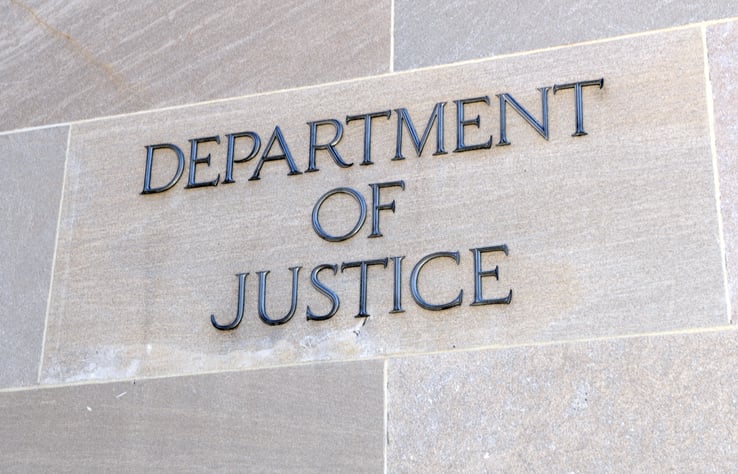
In a significant development for the healthcare insurance industry, Aetna has reached a $117.7 million settlement with the Department of Justice over allegations that it submitted inaccurate diagnosis codes to increase Medicare Advantage payments.
The settlement, announced by the DOJ, addresses claims that in 2015, the insurance giant operated a Medicare Advantage chart review program where coders were paid to examine medical records and identify conditions that would qualify for higher reimbursements. According to federal investigators, some diagnostic codes identified through this process were not fully supported by medical documentation but were nonetheless submitted to the Centers for Medicare & Medicaid Services (CMS) to secure larger payouts.
Additionally, the settlement resolves allegations that between 2018 and 2023, Aetna knowingly submitted or failed to withdraw inaccurate diagnoses of morbid obesity, further inflating payments received from CMS. These allegations first came to light through a whistleblower in Pennsylvania.
“The government pays private insurers over $530 billion each year to care for Americans enrolled in Medicare Advantage,” said Assistant Attorney General Brett Shumate of the Justice Department’s Civil Division. “We will continue to hold accountable insurers that knowingly submit inaccurate or unsupported diagnoses to improperly inflate reimbursement.”
In response to the settlement, an Aetna spokesperson maintained the company’s disagreement with the DOJ’s allegations, which they characterized as “industry-wide.” The spokesperson emphasized that the settlement “should not be seen as an acknowledgment of liability.”
“Instead, we are now able to avoid the uncertainty and further expense of prolonged litigation, as we maintain our focus on delivering first-in-class member experience across our Medicare Advantage plans,” the spokesperson told Fierce Healthcare.
The case highlights ongoing scrutiny of the Medicare Advantage program, which has grown substantially over the past decade. Medicare Advantage now covers approximately 50% of all Medicare beneficiaries, with enrollment projected to exceed traditional Medicare within the next few years. The program allows private insurers to offer Medicare plans, with payments adjusted based on the documented health conditions of enrollees—a system known as risk adjustment.
Critics have long argued that the risk adjustment process creates incentives for insurers to maximize diagnosis coding to increase payments, sometimes beyond what medical records support. The DOJ has pursued similar cases against several major health insurers in recent years as part of a broader effort to combat potential fraud in the Medicare Advantage program.
The law firm Phillips & Cohen, which represented the whistleblower who reported the alleged obesity upcoding while employed at Aetna, celebrated the resolution. Jeffrey Dickstein, a partner at the firm, emphasized the dual harm of such practices.
“It’s unfair to patients to be coded as morbidly obese when they’re not,” Dickstein said, “and it’s unfair to the government to pay for medical care for conditions that don’t exist.”
This settlement comes amid increased federal scrutiny of healthcare fraud generally. In fiscal year 2022 alone, the federal government recovered over $2.2 billion from healthcare fraud cases, with a significant portion related to Medicare Advantage coding practices.
Industry analysts suggest that the settlement, while substantial, is unlikely to significantly impact Aetna’s operations or its parent company, CVS Health. However, it may signal continued regulatory attention on coding practices across the Medicare Advantage market, potentially leading to additional compliance costs and scrutiny for insurers operating in this space.
Fact Checker
Verify the accuracy of this article using The Disinformation Commission analysis and real-time sources.

7 Comments
The details around Aetna’s ‘chart review program’ where coders were incentivized to identify higher-paying diagnoses are quite troubling. This type of gaming of the system is unacceptable and highlights the need for more rigorous auditing and oversight of Medicare Advantage providers.
Upcoding is a serious issue that undermines the Medicare Advantage program and wastes taxpayer money. While it’s good that Aetna has agreed to this settlement, it’s troubling that these practices were apparently so widespread. Stronger oversight and accountability measures may be needed to prevent similar abuses in the future.
I agree. Increased transparency and auditing of Medicare Advantage providers would help ensure patient care and taxpayer funds are being appropriately managed.
It’s good to see the DOJ taking action against these alleged fraudulent practices. Medicare Advantage is an important program that provides coverage options for seniors, but it needs to be managed with integrity. This settlement should serve as a warning to other insurers tempted to inflate their reimbursements.
A $117.7 million settlement is a substantial amount, indicating the scale of Aetna’s alleged misconduct. It’s concerning to see a major insurer engaging in these kinds of practices, which undermine public trust in the healthcare system. Stronger regulation and enforcement in this area may be warranted.
This is a significant settlement for the healthcare industry. Aetna’s alleged practice of upcoding diagnoses to inflate Medicare Advantage payments is concerning and raises questions about the integrity of the program. It’s good to see the DOJ taking action to address these types of fraudulent practices.
This case highlights the need for vigilance when it comes to Medicare Advantage billing practices. While the program offers valuable coverage options, the financial incentives can also create perverse incentives for insurers to inflate costs. Ongoing monitoring and enforcement will be crucial to maintaining the integrity of the system.