


Listen to the article
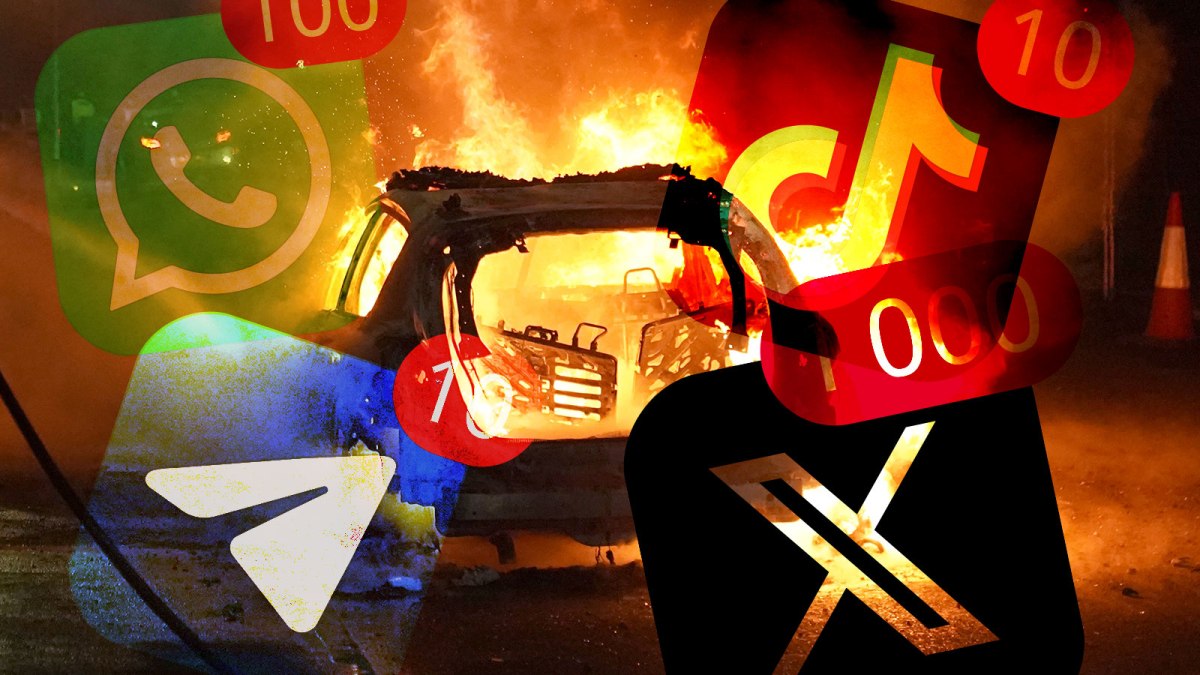
In the wake of the Southport tragedy, a disturbing online campaign has rapidly spread false information and inflammatory content, threatening to destabilize an already grieving community. The digital firestorm following the fatal stabbings of three children has raised urgent questions about who orchestrates such campaigns and what can be done to counter them.
Digital forensics experts have identified a network of approximately 125 accounts responsible for propagating misinformation about the incident. These accounts, many created only within the last month, have systematically pushed unfounded claims about the identity and religion of the 17-year-old suspect, despite official statements to the contrary.
The pattern of these disinformation campaigns has become distressingly familiar to those who study online extremism. What begins as seemingly spontaneous misinformation quickly evolves into coordinated messaging, often amplified by influential figures with large followings. In the Southport case, the false narratives gained significant traction when several high-profile individuals with substantial social media presences shared the unverified claims.
“We’re seeing a sophisticated operation that understands exactly how to exploit social media algorithms,” explains Dr. Hannah Marshall, a specialist in digital extremism at Cambridge University. “These aren’t just random posts—there’s a deliberate strategy to create content that will spread rapidly and trigger emotional responses.”
Security officials have noted concerning similarities to Russian disinformation tactics, though they caution against premature attribution. The campaigns typically follow a recognizable playbook: fabricating details, exploiting genuine community concerns, and rapidly adapting messaging as fact-checkers respond.
Tech platforms have struggled to contain the spread of false information. Despite content moderation efforts and the suspension of numerous accounts, the sheer volume and coordinated nature of the posts have overwhelmed conventional safeguards. By the time platforms responded, the narratives had already reached millions of users.
The real-world consequences have been severe. Violent disorder erupted in several communities, with police reporting that many participants had been exposed to the misleading content. Community leaders in Southport have described a climate of fear, with residents concerned about potential further unrest.
“What we’re witnessing is the weaponization of social media to destabilize communities,” says Detective Superintendent Mark Andrews of the National Crime Agency’s cybercrime division. “The speed at which false narratives can spread makes traditional policing approaches increasingly challenging.”
Legal experts point to gaps in existing legislation that make prosecuting the originators of such campaigns difficult. While incitement to violence remains illegal, the deliberate spread of false information that may indirectly lead to disorder falls into a regulatory gray area.
The government has promised a review of current laws, with Home Secretary Yvette Cooper stating that “those who deliberately spread disinformation to cause harm must face consequences.” However, critics argue that the international nature of these campaigns makes enforcement problematic.
Tech companies have defended their response, pointing to enhanced monitoring systems and cooperation with authorities. A spokesperson for Meta stated that they had removed hundreds of posts containing false information about the Southport incident, while Twitter (now X) reported suspending dozens of accounts linked to the coordinated campaign.
Media literacy experts emphasize that long-term solutions must include better public education about recognizing and responding to misinformation. “These campaigns exploit genuine concerns and uncertainties,” notes Dr. Sarah Reynolds of the Media Trust Foundation. “Teaching people to verify information before sharing it is crucial to breaking these cycles.”
As Southport begins the long process of healing, the digital aftermath of the tragedy serves as a stark reminder of how vulnerable communities can be to orchestrated disinformation. The question remains whether technological, legal, and educational solutions can keep pace with increasingly sophisticated influence operations designed to sow discord during times of crisis.
For now, community leaders are focusing on rebuilding trust and unity, urging residents to rely on official information sources and to report suspicious online content to authorities.
Fact Checker
Verify the accuracy of this article using The Disinformation Commission analysis and real-time sources.

10 Comments
This is a troubling situation that highlights the need for stronger safeguards against the spread of online misinformation, especially around sensitive events. I hope the responsible parties can be identified and held accountable, so that the community can begin to heal.
I agree. Tackling the root causes of these kinds of campaigns is essential to prevent them from happening again in the future. Maintaining public trust and access to reliable information should be a top priority.
As someone who closely follows the mining and energy sectors, I’m concerned to see this kind of digital manipulation being used to influence public opinion. Fact-based, transparent information is essential for healthy discourse, especially around issues that impact local communities.
You make a good point. Disinformation campaigns can undermine trust in institutions and make it harder to have constructive dialogues. I hope the authorities can get to the bottom of this and restore some stability.
As someone invested in the mining and commodities sector, I’m troubled to see this kind of coordinated misinformation being used to sow division. Reliable information is crucial, especially around sensitive issues like this. I hope the community can come together and move past the rhetoric.
Agreed. In times of crisis, it’s important to resist the urge to speculate or spread unverified claims, no matter how compelling they may seem. The facts should guide the discussion, not agenda-driven narratives.
This is a concerning situation. Spreading disinformation online can have devastating real-world consequences, especially in the wake of a tragedy. I hope the authorities are able to identify and stop those responsible for fueling this social media storm.
Yes, it’s critical to counter false narratives quickly and provide factual information from credible sources. Disinformation campaigns often exploit people’s emotions and vulnerability, which makes them especially harmful.
This is a sobering reminder of the power of social media to amplify harmful misinformation. While the authorities work to address the root causes, I hope the public can remain vigilant and critical consumers of online content, especially around sensitive topics.
Absolutely. We all have a responsibility to be discerning and fact-check claims, no matter where they come from. Spreading unverified information, even inadvertently, can have devastating consequences.