


Listen to the article
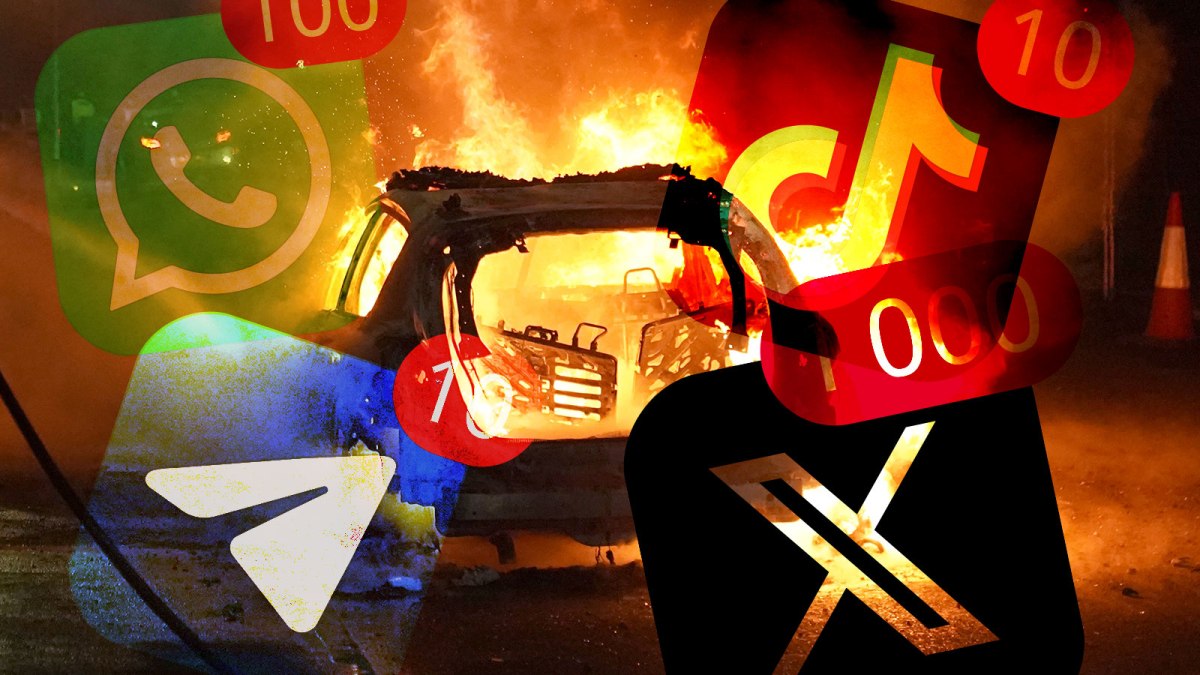
In the aftermath of the devastating Southport stabbing tragedy, social media has become a breeding ground for misinformation, with coordinated efforts spreading false claims that the suspect was a Muslim asylum seeker. Security officials now warn that foreign actors may be manipulating these narratives to fuel discord across the United Kingdom.
The violent riots that erupted following the incident—which left three young girls dead at a Taylor Swift-themed dance class—have been fueled by a perfect storm of conspiracy theories and deliberate misinformation. Government sources have confirmed that the rapid spread of false information bears hallmarks of manipulation by hostile states, though they stopped short of directly attributing the campaign.
“We’re seeing patterns consistent with coordinated information operations,” said one security official, speaking on condition of anonymity. “The speed and scale of the misinformation suggest something beyond organic spread.”
The suspect in the stabbing, 17-year-old Axel Rudakubana, was born in the UK to Rwandan parents. Yet within hours of the attack, social media accounts began circulating unfounded claims that he was a recently arrived asylum seeker. The false narrative gained significant traction despite official statements to the contrary.
Intelligence analysts have observed suspicious patterns in how these falsehoods proliferated. Accounts with minimal following suddenly received thousands of engagements, while certain hashtags related to the incident appeared to be artificially amplified through coordinated networks.
“This fits the playbook we’ve seen from countries like Russia and Iran,” explained Dr. Emma Clarke, a disinformation researcher at King’s College London. “They identify societal fractures and pour fuel on them, often without creating the original content but by amplifying existing tensions.”
The social media platforms themselves have struggled to contain the spread of falsehoods. Despite pledges to combat misinformation, critics argue that their response has been insufficient and too slow to prevent real-world consequences.
“By the time content is flagged and removed, it’s already been seen by millions,” said Clarke. “The damage is done.”
The riots that followed have been among the worst in the UK in recent years, with violence spreading from Southport to cities including Liverpool, Manchester, and parts of London. Far-right groups have mobilized supporters through Telegram channels and other platforms, sometimes using coded language to evade content moderation.
Home Secretary Yvette Cooper has promised a robust response, announcing a specialized unit to track and counter disinformation related to the incident. “Those who deliberately spread lies to stoke division will face consequences,” Cooper stated in Parliament.
The situation highlights the growing challenge of information warfare in democratic societies. Traditional media gatekeeping has been bypassed by social platforms, allowing malicious actors—both foreign and domestic—to reach millions with misleading content.
Security experts warn that this incident represents a vulnerability that extends beyond the current tragedy. “These operations don’t create social divisions,” noted former intelligence official Robert Harrison. “They exploit existing ones. The fact that they’re succeeding suggests we need to address the underlying tensions in society.”
Tech companies have responded by removing hundreds of accounts linked to coordinated inauthentic behavior, but critics argue this reactive approach is insufficient. “We need proactive systems that can identify manipulation campaigns in their early stages,” said digital policy advocate Jennifer Wells.
As communities in Southport and beyond begin the difficult process of healing, authorities face the dual challenge of maintaining public order while countering the information environment that has fueled unrest.
Prime Minister Keir Starmer has called for national unity and cautioned against allowing “those who seek to divide us” to succeed. Meanwhile, community leaders in affected areas have organized peace rallies and interfaith gatherings in an effort to counter the divisive narratives that have gained traction online.
The case represents what security officials describe as the new front line in national security—not just protecting physical borders, but defending the information ecosystem that shapes public perception and social cohesion.
Fact Checker
Verify the accuracy of this article using The Disinformation Commission analysis and real-time sources.

16 Comments
The ability of foreign actors to manipulate domestic discourse is a growing concern. While the details of this case are still unfolding, we must be cautious about jumping to conclusions and instead rely on verified information from trusted sources.
Absolutely. Maintaining a level-headed, fact-based approach is critical to preventing further escalation and ensuring a constructive dialogue on this sensitive issue.
The rapid spread of misinformation, especially around sensitive issues like this, is a worrying trend. It’s crucial that we counter these attempts to sow discord and division by focusing on the facts, not unsubstantiated claims. Responsible journalism and community-level dialogue will be key.
Well said. Maintaining a balanced and rational approach, despite the emotional nature of the topic, is the best way to navigate this challenging situation and prevent further escalation.
The rapid spread of misinformation is deeply troubling, as it can have real and damaging consequences. In this volatile climate, it’s essential that we rely on authoritative sources, verify claims, and avoid contributing to the proliferation of harmful narratives, no matter how compelling they may seem.
Well said. Maintaining a commitment to truth and nuance, even in the face of emotionally charged rhetoric, is the only way to prevent further escalation and find a constructive path forward.
This is a concerning situation that highlights the need for greater media literacy and a more discerning public when it comes to online information. We must be vigilant in separating truth from fiction, especially during times of heightened emotions and uncertainty.
This is a complex and sensitive issue that requires a measured, evidence-based approach. While the details are still emerging, we must be wary of attempts to exploit the situation for political or ideological gain. Fact-based reporting and community dialogue are crucial to finding a constructive way forward.
While the details of this case are still emerging, it’s clear that the online discourse has been hijacked by those with malicious intent. We must be vigilant in verifying information and not contribute to the spread of harmful narratives, no matter how tempting they may be.
Social media has become a powerful tool for both legitimate information sharing and the spread of disinformation. It’s critical that we approach online discussions with a discerning eye and seek out reliable sources, rather than fueling the flames of division.
Well said. Staying vigilant and promoting media literacy is key to navigating the complex information landscape and not falling victim to orchestrated propaganda campaigns.
Tragic events like this can bring out the worst in people, with some seeking to exploit the situation for their own agendas. The responsible path forward is to let the authorities do their work and focus on supporting the affected community, not perpetuating harmful falsehoods.
This is a concerning situation. It’s important to rely on authoritative sources and avoid the spread of misinformation, which can have real and dangerous consequences. We should let the facts and the investigation guide us, not unsubstantiated rumors or conspiracy theories.
I agree, the rapid spread of false narratives is troubling. Responsible reporting and fact-checking are crucial to counter these manipulative efforts and prevent further escalation of tensions.
The coordinated effort to spread misinformation is a concerning development that undermines public trust and fuels division. Responsible citizens and media outlets must work together to counter these tactics and ensure that the facts, not manipulated narratives, guide the discourse.
Agreed. Maintaining a commitment to truth and nuance, even in the face of emotionally charged rhetoric, is essential for navigating these complex situations and preventing further harm.