


Listen to the article
In the wake of the violent riots in Southport, a troubling network of social media accounts has emerged, systematically spreading misinformation about the tragic stabbing incident that claimed the lives of three young girls at a Taylor Swift-themed dance class.
Security experts and disinformation researchers have identified numerous accounts working in coordination to amplify false narratives about the suspect’s identity and background. These accounts, many with minimal following until recently, suddenly gained traction by pushing inflammatory content designed to escalate tensions.
The pattern is alarmingly familiar to intelligence officials who have observed similar tactics in previous disinformation campaigns. “What we’re seeing is a sophisticated operation that bears hallmarks of coordinated influence activities,” said a senior analyst at a leading cybersecurity firm who requested anonymity due to the sensitive nature of ongoing investigations.
The accounts began pushing false claims within hours of the tragedy, initially suggesting the attacker was an asylum seeker who had recently arrived in the UK. When authorities identified the suspect as 17-year-old Axel Rudakubana, born in Cardiff to Rwandan parents, the disinformation pivoted to emphasize his immigrant background while omitting his British birth.
Social media platforms have struggled to contain the spread of these falsehoods. Despite policies against coordinated inauthentic behavior, the networks have shown remarkable resilience, creating replacement accounts when others are suspended and utilizing coded language to avoid automatic detection systems.
“The speed and scale of this disinformation campaign suggests it’s not merely organic activity,” explained Dr. Emma Richards, a researcher specializing in online extremism at University College London. “We’re seeing techniques that indicate a level of organization and strategic planning.”
Analysis of the account networks reveals suspicious patterns – many were created recently or repurposed from dormant accounts, show minimal personal information, and exclusively share divisive content about immigration and race relations. Some accounts post identical content within seconds of each other, suggesting automation or coordination.
The impact of this disinformation has extended beyond the digital realm. In Southport and other UK cities, violent demonstrations have erupted, with protesters explicitly referencing the false narratives circulated online. Local authorities report that many participants arrived from outside the affected communities, raising questions about organization behind these protests.
Government officials have announced investigations into potential foreign interference, though they caution that domestic actors could also be responsible. “These tactics can be employed by anyone with sufficient motivation and resources,” noted Home Secretary Yvette Cooper in a statement addressing the unrest.
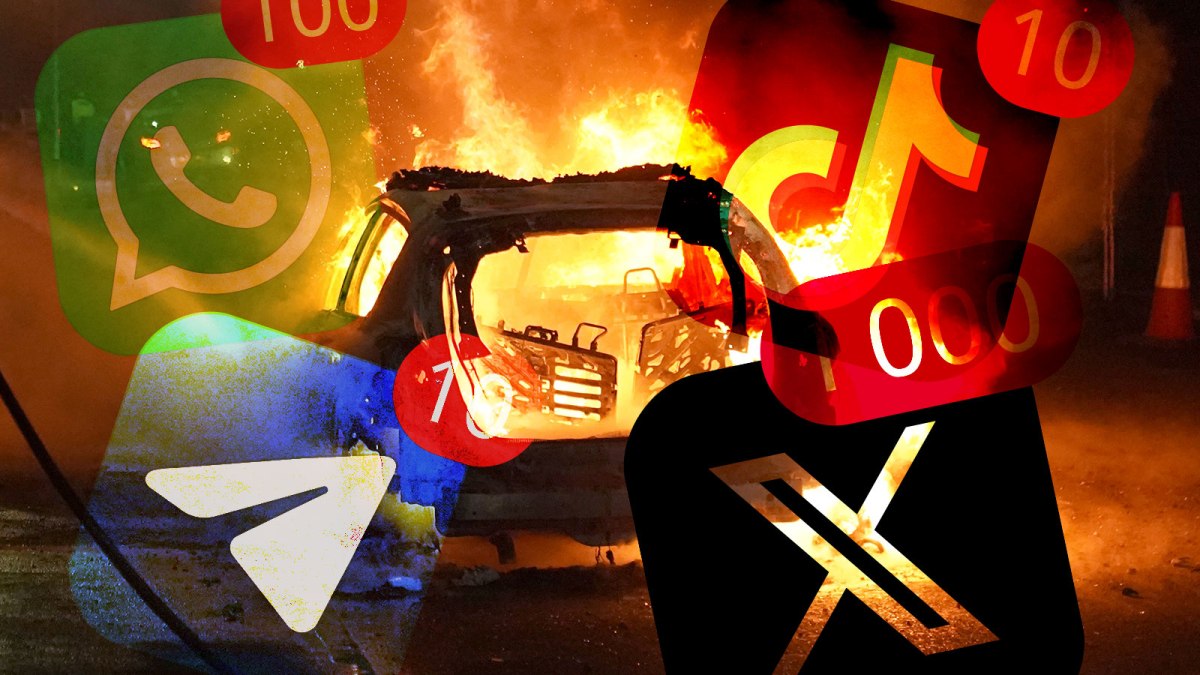
Social media companies have faced criticism for their delayed response. Meta, X (formerly Twitter), and TikTok have all pledged to remove content inciting violence, but researchers say the platforms’ actions have been inconsistent and often reactive rather than proactive.
The Southport case highlights growing concerns about the vulnerability of tragic events to exploitation by those seeking to sow division. Security analysts point to similar patterns following other high-profile incidents across Europe and North America in recent years.
“What makes these campaigns particularly dangerous is how they target genuine community grief and fear,” said Dr. Richards. “They weaponize real emotions and concerns, making it difficult for many people to distinguish between legitimate questions and manufactured outrage.”
Law enforcement agencies have established specialized units to track and counteract the spread of harmful misinformation. However, they face significant challenges in identifying the origins of coordinated campaigns, particularly when they involve overseas actors using sophisticated methods to hide their tracks.
As communities in Southport begin the difficult process of healing, authorities are urging the public to verify information through official channels and approach unverified social media claims with skepticism.
“The greatest defense against these influence operations is public awareness,” said the cybersecurity analyst. “Understanding how these networks operate and recognizing the signs of coordinated manipulation is crucial to building resilience against future campaigns.”
Fact Checker
Verify the accuracy of this article using The Disinformation Commission analysis and real-time sources.

13 Comments
The speed and sophistication of this coordinated disinformation effort is deeply concerning. Authorities must act swiftly to identify the responsible parties and disrupt their operations before they can further escalate tensions and undermine public trust. Reliable information from official sources is critical during these difficult times.
Well said. Addressing the root causes of these influence operations, rather than just the symptoms, will be key to preventing similar incidents in the future. Collaboration between law enforcement, cybersecurity experts, and social media platforms is essential to combating this threat to public safety and democratic integrity.
Coordinated disinformation campaigns on social media are a serious threat to public safety and democratic stability. Identifying the orchestrators behind this activity and disrupting their operations should be a top priority for authorities. Restoring trust in reliable information sources is crucial.
I agree. Proactive monitoring and rapid response are key to countering the rapid spread of false narratives online. Collaboration between law enforcement, cybersecurity experts, and social media platforms will be essential to stemming the tide of malicious influence operations.
Coordinated disinformation campaigns are a growing threat to public safety and democratic discourse. Identifying the orchestrators behind this activity and holding them accountable will be crucial to restoring public trust and preventing further escalation of tensions.
Absolutely. Transparency and accountability from both authorities and social media platforms will be essential in combating these sophisticated influence operations. The public deserves access to reliable, fact-based information during times of crisis.
This is a troubling situation that highlights the need for robust safeguards against coordinated disinformation campaigns. Authorities must work quickly to identify the source of these false narratives and take decisive action to shut down the orchestrators before they can cause further harm.
Social media has become a battleground for information warfare, with bad actors exploiting platforms to sow confusion and division. Identifying the orchestrators behind these coordinated campaigns is vital to protect the integrity of public discourse and prevent further tragedies.
You make a good point. Addressing the root cause, not just the symptoms, is key. Robust platform policies, better user authentication, and proactive monitoring of suspicious activity could help disrupt these influence operations.
This is a sobering example of how misinformation can spiral out of control, especially in the aftermath of a tragic event. Authorities will need to move quickly and decisively to identify the source of these false narratives and shut down the coordinated effort to inflame tensions.
This is a disturbing example of how social media can be weaponized to spread false narratives and sow chaos. Authorities must act swiftly to identify the source of these coordinated efforts and shut them down before they can do further damage.
This is a concerning situation, with coordinated misinformation spreading rapidly on social media. It’s critical that authorities work quickly to identify the source of these false narratives and shut them down before they escalate tensions further. Reliable information from official sources is key to countering these manipulation tactics.
Agreed. The speed at which these false claims are amplified is alarming. Robust fact-checking and transparency from officials will be crucial to restoring public trust and quelling the spread of harmful disinformation.