


Listen to the article
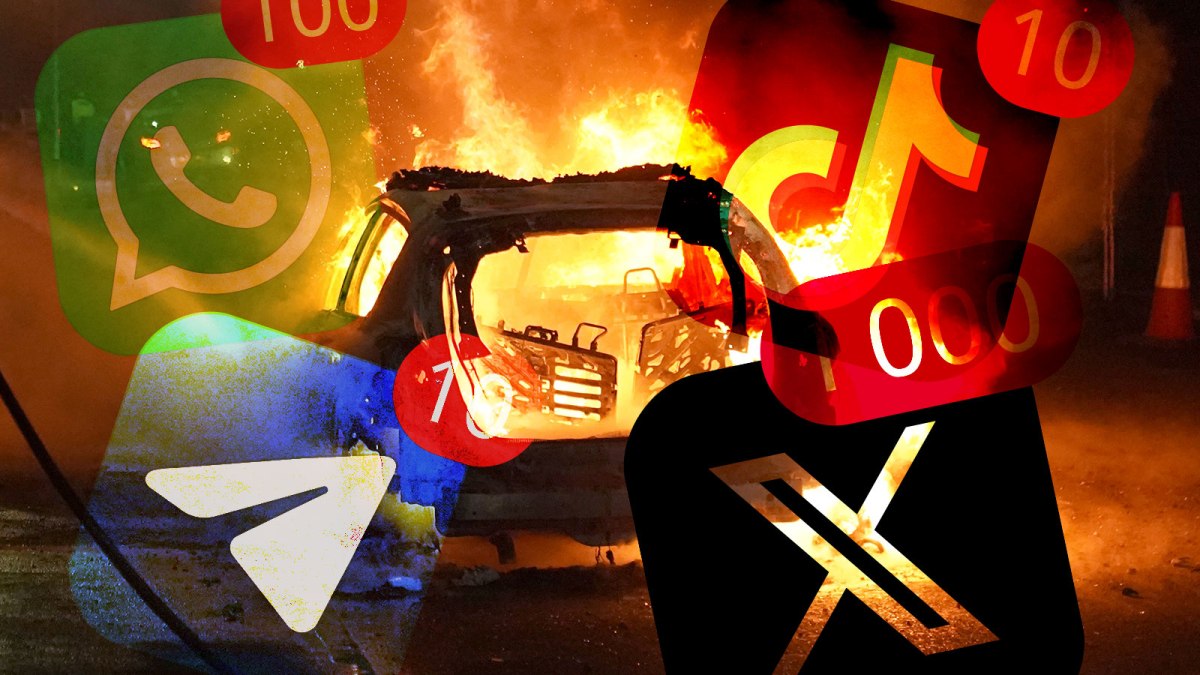
In the wake of the Southport tragedy that saw three young girls fatally stabbed at a Taylor Swift-themed dance class, a disturbing online phenomenon has emerged. False claims about the suspect’s identity spread rapidly across social media platforms, igniting violence in several British cities and exposing the alarming vulnerability of online spaces to coordinated disinformation campaigns.
What began as grief over a horrific attack quickly transformed into something far more sinister. Within hours of the stabbings, social media accounts began circulating unfounded assertions that the suspect was a Muslim asylum seeker who had recently arrived in the UK by boat. These claims, despite being categorically refuted by Merseyside Police, gained tremendous traction online.
The spreading of this false narrative wasn’t merely organic. Analysis by the Institute for Strategic Dialogue (ISD) has identified a network of accounts deliberately amplifying these falsehoods. According to Moustafa Ayad, an executive director at ISD, “These weren’t just random people repeating rumors. There was a coordinated effort to push this specific narrative.”
Particularly notable was the role played by accounts connected to Elon Musk’s platform X (formerly Twitter). The platform saw a surge of posts advancing the false narrative, with many originating from accounts created just days before the incident. Researchers noted these accounts displayed unusual patterns of activity, suggesting potential automation or coordination.
“We’ve seen similar disinformation techniques used in other contexts, including during elections and other divisive moments,” explained Ayad. “The playbook is consistent: exploit a tragedy, introduce false information that aligns with existing prejudices, and watch it spread.”
The online disinformation quickly manifested in physical violence. In Southport itself, a mosque was attacked by rioters. Similar scenes unfolded in other cities including Hartlepool, Aldershot, and Bristol, where far-right protesters clashed with police and targeted businesses and community centers associated with immigrant communities.
The vulnerability of the UK to such manipulation has raised serious questions about social media regulation. The Online Safety Act, passed last year, was meant to address harmful content, but critics argue it lacks the teeth to effectively combat coordinated disinformation campaigns.
Former Conservative MP Damian Collins, who previously chaired the parliamentary committee on digital and culture, emphasized that current legislation remains inadequate. “The speed at which these falsehoods spread outpaces our ability to counter them under existing frameworks,” Collins noted. “We need more robust mechanisms to quickly identify and neutralize disinformation campaigns.”
Experts also point to the role of foreign actors in potentially exploiting these tensions. Intelligence agencies have warned about Russian influence operations aimed at exacerbating societal divisions in Western democracies. While no definitive link has been established in this case, the patterns observed align with previously documented foreign interference tactics.
Social media platforms have defended their response, with X stating it removed hundreds of posts violating its policies. However, critics argue these measures came too late to prevent real-world violence.
The Southport case highlights a growing challenge for democratic societies: protecting free expression while preventing the weaponization of information. “We’re operating in an environment where the barriers between online rhetoric and physical violence have effectively collapsed,” said Claire Wardle, a disinformation expert at Brown University.
As communities across the UK work to recover from the violence, questions persist about how to better safeguard public discourse. Law enforcement agencies have made dozens of arrests related to the riots, but addressing the root causes of vulnerability to disinformation remains a more complex challenge.
The events following the Southport tragedy serve as a stark reminder that in an interconnected world, words typed into social media platforms can have immediate and devastating consequences beyond the digital realm.
Fact Checker
Verify the accuracy of this article using The Disinformation Commission analysis and real-time sources.

12 Comments
Tragic that a horrific crime was exploited in this way. Rigorous fact-checking and transparency around platform policies and moderation practices are needed to prevent the spread of such harmful falsehoods.
Well said. Holding perpetrators accountable and supporting victims should also be a key part of the response.
This highlights the complex challenge of maintaining online safety and trust in the digital age. Improved transparency, user education, and proactive platform policies will be critical to address these issues.
Absolutely. Balancing free speech with the need to curb malicious actors will require nuanced, multifaceted approaches.
Disturbing to see how quickly misinformation can spread on social media and incite real-world violence. The need for robust fact-checking and measures to combat coordinated disinformation campaigns is clear.
Agreed. Platforms must do more to detect and remove such manipulative content before it can cause harm.
Tragic that this incident was exploited for political gain through false narratives. The perpetrators behind these coordinated disinformation campaigns must be held accountable.
Agreed, the impact of such malicious tactics can be devastating. Stronger regulations and enforcement are needed to deter this kind of behavior.
Concerning to see how easily online spaces can be weaponized to sow division and inflict real-world harm. Addressing the root causes of this phenomenon should be a priority.
Absolutely. Investing in digital literacy and media resilience will be crucial to empower users and build more trustworthy online communities.
This incident underscores the urgent need for better safeguards and accountability measures to prevent the misuse of social media platforms. Proactive steps must be taken to combat coordinated disinformation.
Agreed. Platforms, policymakers, and civil society must work together to develop comprehensive solutions to this complex challenge.