


Listen to the article
Media Misinformation Surges During India-Pakistan Tensions as Fact-Checkers Scramble to Counter False Claims
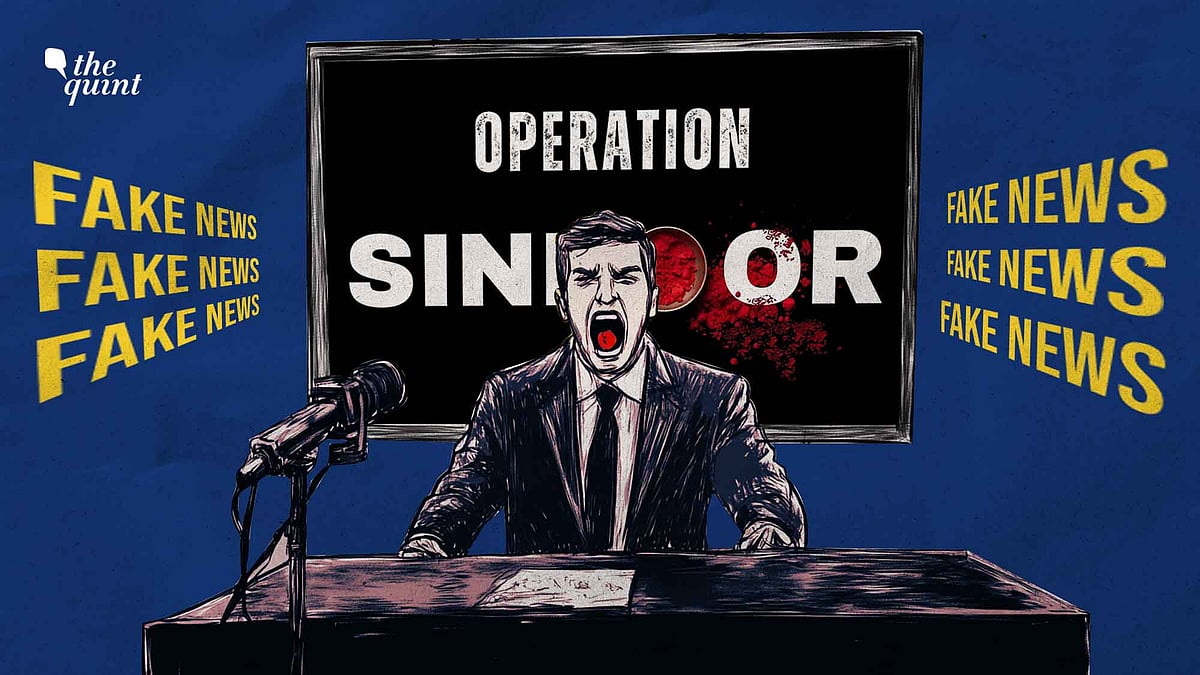
In the week following “Operation Sindoor” on May 7, television news channels and social media became saturated with misinformation as tensions flared between India and Pakistan. The Quint’s WebQoof team debunked over 70 false narratives in just seven days, highlighting a troubling trend of mainstream media outlets amplifying unverified claims during moments of geopolitical crisis.
While misinformation during conflicts isn’t new, the scale and source of false information marked a significant shift. Television news channels with viewership in the hundreds of thousands became primary vectors for spreading panic and confusion through sensationalized headlines, fabricated visuals, and unsubstantiated claims.
“When mainstream media channels spread misinformation, it reaches a much larger audience and creates unnecessary panic compared to anonymous social media accounts,” noted a source familiar with media verification processes.
One particularly egregious example involved multiple major networks including ABP News, News18, and Zee News falsely identifying an Indian madrasa teacher as “Maulana Mohammad Iqbal, a Pakistani terrorist killed by Indian Forces.” Fact-checkers revealed the man was actually an Indian civilian who died from cross-border shelling.
Other false reports created widespread fear among citizens. Times Now claimed explosions occurred at Jaipur Airport, while NDTV, India TV, Times Now Navbharat, and ABP News all reported Pakistani attacks on Jaisalmer. Both claims were officially debunked, with the District Collector of Jaipur confirming the airport remained fully secure.
The misinformation campaign extended to claims of territorial conquest, with Zee News, News18, News18 Madhya Pradesh, and Sudarshan News reporting that Pakistan’s capital Islamabad had been “captured” and the Pakistani army had surrendered. Times Now Navbharat similarly claimed Indian Army forces had entered Pakistan.
Aunindyo Chakravarty, former senior managing editor of NDTV, explained the systemic issue in an article for The Quint: “Over the past few years, editorial processes have collapsed in a large number of mainstream newsrooms. This is especially true for TV news channels. That is why we have an endless stream of questionable source-based news being broadcast 24×7.”
The spread of misinformation wasn’t limited to Indian media. Pakistan’s news outlets deployed similar tactics, prompting India’s Information & Broadcasting Ministry to accuse Pakistani media of “misleading their audience” with false claims about Indian forces attacking civilian areas.
Pakistani newspaper Daily Times shared outdated images of crashed fighter jets, falsely claiming they showed Pakistan Air Force downing Indian aircraft in retaliation. Another Pakistani channel, Aik Talkshawk, falsely reported the destruction of India’s Udhampur airbase.
On May 10, India’s Ministry of External Affairs issued a statement rejecting “false narratives being propagated by Pakistan” including claims about destroyed S-400 systems, damaged airfields, and BrahMos missile bases.
Social media platform X (formerly Twitter) saw its own flood of misinformation, though many users utilized the “Community Notes” feature to provide context and corrections. One viral post claiming to show India’s radar attacks against Pakistan garnered 1.5 million views before being identified as footage from a video game simulation.
This collaborative approach to fact-checking represents a promising development. The International Fact-Checking Network had earlier this year advocated for such cooperative models in an open letter to Meta, stating, “A Community Notes model that works in collaboration with professional fact-checking would have strong potential as a new model for promoting accurate information.”
A recent study by Tattle examining the relationship between fact-checking websites and community notes found that professional fact-checkers were heavily cited in community contributions, with The Quint’s WebQoof ranking fifth among all Indian IFCN signatories.
The crisis has highlighted the critical importance of media literacy and responsible journalism during periods of international tension. While some media outlets prioritized sensationalism over accuracy, the combined efforts of government agencies, fact-checking organizations, and concerned citizens provided a crucial counterbalance to ensure the public received accurate information.
Fact Checker
Verify the accuracy of this article using The Disinformation Commission analysis and real-time sources.

11 Comments
This is a concerning trend, where mainstream media outlets are amplifying unverified claims during geopolitical crises. Fact-checking efforts are crucial to counter the spread of misinformation, but the scale of the problem is worrying.
You’re right, the responsibility lies with both the media outlets and the public. Media should verify information before publishing, while internet users need to be more critical and discerning consumers of news.
This is a concerning trend that highlights the need for greater media accountability and public media literacy. Fact-checking efforts are essential, but the public also has a responsibility to be more critical consumers of news.
This is a concerning trend that underscores the need for stronger media accountability and public media literacy. Fact-checking efforts are crucial, but both the media and the public have a responsibility to combat the spread of misinformation.
This is a complex issue with responsibility on both sides. Media outlets must uphold higher journalistic standards, but internet users also need to be more discerning and fact-check information before spreading it further.
It’s troubling to see such a significant shift towards mainstream media being primary vectors for spreading misinformation. This highlights the need for stronger media accountability and fact-checking processes, especially during sensitive times.
Agreed. The public also has a role to play in this by being more critical consumers of news and fact-checking claims before sharing or believing them, especially on social media.
The scale of misinformation spreading through mainstream media channels is alarming. This underscores the critical importance of robust fact-checking and verification processes, as well as media literacy efforts to empower the public.
Absolutely. Both the media and the public need to be more vigilant in combating the spread of misinformation, which can have serious consequences, especially during times of heightened tensions.
The media’s role in amplifying unverified claims during crises is deeply troubling. While fact-checkers work to counter false narratives, the public must also be more discerning and hold media outlets accountable for their reporting.
Agreed. This issue requires a multi-pronged approach, with media outlets improving their verification processes and the public becoming more critical consumers of news, especially on social media platforms.