


Listen to the article
In a firm statement issued today, the Public Prosecution has cautioned citizens and residents against the dissemination of unverified information and rumors across digital platforms, emphasizing the serious societal consequences of such actions.
The warning specifically targets content shared via social media and other technological channels that originates from unidentified or questionable sources. Officials highlighted that propagating such material poses significant risks to public order and community stability.
“When individuals share unsubstantiated claims or misinformation, they inadvertently contribute to social discord and potentially undermine national security interests,” a spokesperson for the Public Prosecution explained during the announcement.
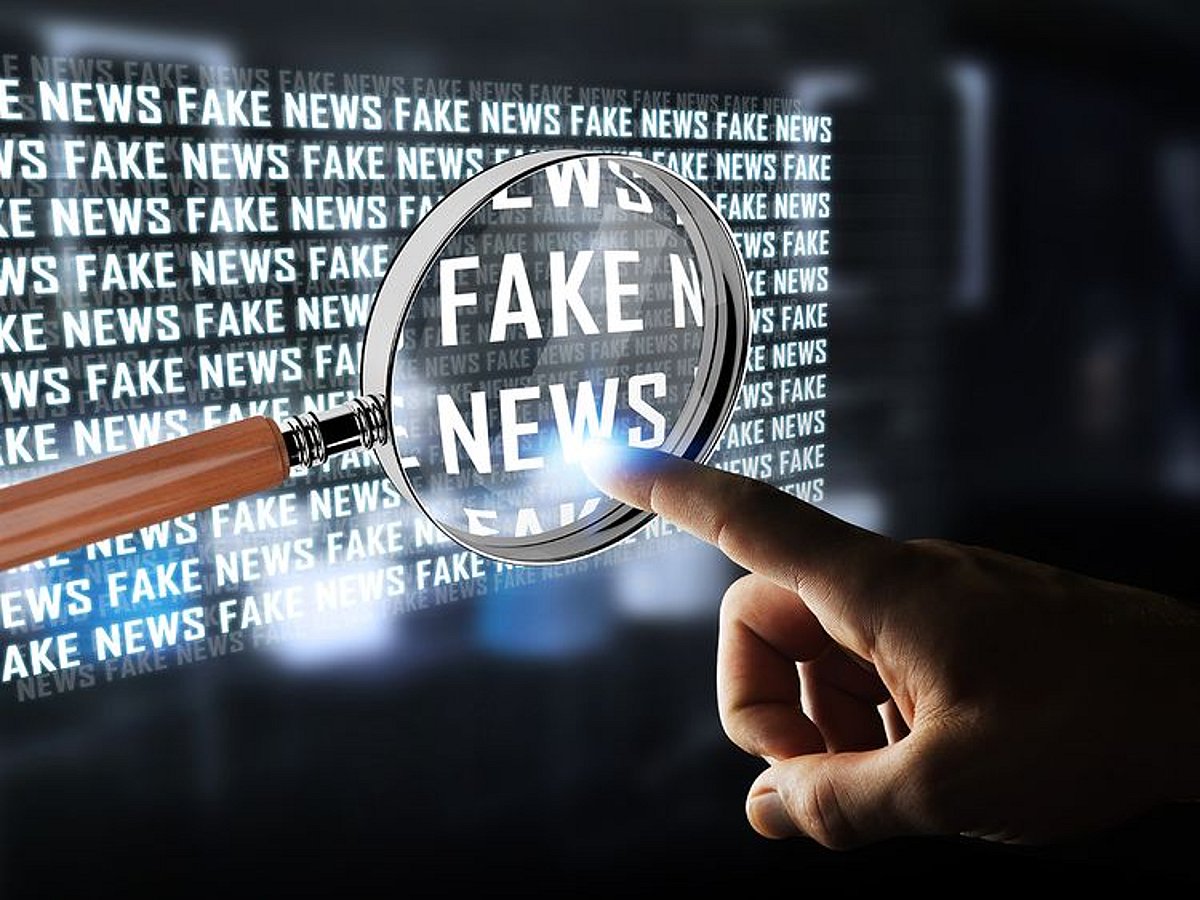
This warning comes amid a growing global concern about the proliferation of fake news and misinformation in the digital age. Recent studies indicate that false information spreads six times faster than factual content on social platforms, creating what experts describe as an “infodemic” that parallels other societal challenges.
The Public Prosecution’s statement reflects a broader trend of legal authorities worldwide grappling with the regulation of digital content. In many jurisdictions, the spread of harmful misinformation has been criminalized, particularly when such content threatens public safety or national security.
Digital literacy experts point out that the instantaneous nature of social media can amplify rumors before fact-checkers or officials have an opportunity to respond. This rapid dissemination often creates a challenge for authorities attempting to maintain accurate public information during crises or emergencies.
“The responsibility for preventing the spread of rumors falls not just on authorities but on every individual with access to digital communication tools,” noted Dr. Samira Ibrahim, a regional expert in digital communication ethics. “The act of sharing unverified information, even without malicious intent, can have far-reaching consequences.”
The statement from the Public Prosecution did not specify the exact penalties for violating these guidelines. However, in many countries, legal frameworks addressing digital misinformation can include fines, mandatory correction notices, or in severe cases involving national security, criminal charges.
Cybersecurity analysts have observed an uptick in coordinated misinformation campaigns globally, some driven by political motivations or financial gain through increased web traffic. These organized efforts make distinguishing between genuine news and fabricated content increasingly difficult for average users.
Media literacy advocates suggest that consumers adopt a critical approach to information consumption by verifying sources, checking publication dates, cross-referencing with established news outlets, and being particularly cautious of content designed to trigger emotional reactions.
The Public Prosecution’s warning serves as a reminder that digital citizenship carries both rights and responsibilities. As societies become increasingly dependent on digital information channels, the collective ability to distinguish fact from fiction becomes essential to maintaining social cohesion.
Technology companies have also faced mounting pressure to implement more robust content moderation policies. Major platforms like Facebook, Twitter, and YouTube have expanded fact-checking partnerships and developed algorithmic solutions to flag potentially misleading content, though critics argue these measures remain insufficient.
The statement concludes by emphasizing that maintaining “security and stability of society” requires collaborative effort between authorities and citizens, particularly in an era where information travels globally within seconds.
As digital communication continues to evolve, the challenge of balancing freedom of expression with protection against harmful misinformation remains a complex issue for governments, technology companies, and citizens worldwide.
Fact Checker
Verify the accuracy of this article using The Disinformation Commission analysis and real-time sources.

13 Comments
This is an important warning from the UAE authorities. The proliferation of fake news and unsubstantiated claims is a global challenge that requires vigilance from both individuals and institutions. I hope this sends a clear message about the legal risks of irresponsible information-sharing.
I agree. Maintaining public trust and social stability should be a top priority, especially when it comes to sensitive topics like national security. Responsible social media use is key.
As someone interested in mining and commodities, I understand the need to carefully verify information before sharing it online. Spreading unverified claims can indeed have serious consequences for public order and stability. I appreciate the UAE authorities taking a strong stance against this issue.
You make a good point. In the age of social media, we all have a responsibility to be discerning consumers and curators of information. Fact-checking is crucial to prevent the spread of misinformation.
While I understand the UAE’s motivation, I’m a bit skeptical about the legal approach to tackling misinformation. Censorship and threats of prosecution may not be the most effective long-term solution. Perhaps a greater emphasis on media literacy and fact-checking education would be more constructive.
As someone who follows the mining and commodities sector closely, I appreciate the UAE’s efforts to combat the spread of unverified information. Maintaining public trust and confidence in these industries is crucial. I hope this warning encourages more vigilance and responsible online behavior.
I agree. Reliable information is essential for making informed decisions, whether as an investor or a concerned citizen. Fact-checking and critical thinking should be the norm, not the exception.
As an investor in mining and energy stocks, I’m always cautious about the information I encounter online. This warning from the UAE is a good reminder to be skeptical of unverified claims, no matter the source. Fact-checking is essential to avoid being misled.
As someone who follows the mining and energy sectors closely, I appreciate the UAE authorities’ efforts to combat the spread of misinformation. Maintaining public trust and confidence in these industries is crucial, and I hope this warning encourages more responsible online behavior.
You make a good point. Reliable information is essential for making informed decisions, whether as an investor or a concerned citizen. Fact-checking and critical thinking should be the norm, not the exception.
This is a concerning trend that goes beyond just the UAE. The rapid spread of misinformation online is a global issue that threatens to undermine public discourse and decision-making. I commend the authorities for taking a firm stance against it.
Absolutely. Responsible information-sharing is crucial, especially when it comes to issues that impact society as a whole. Addressing the root causes of misinformation is an ongoing challenge.
This is a complex issue without easy solutions. While I understand the UAE’s concerns, I’m not sure legal threats are the best way forward. Perhaps a more collaborative approach involving tech companies, media outlets, and educational institutions would be more effective in the long run.