


Listen to the article
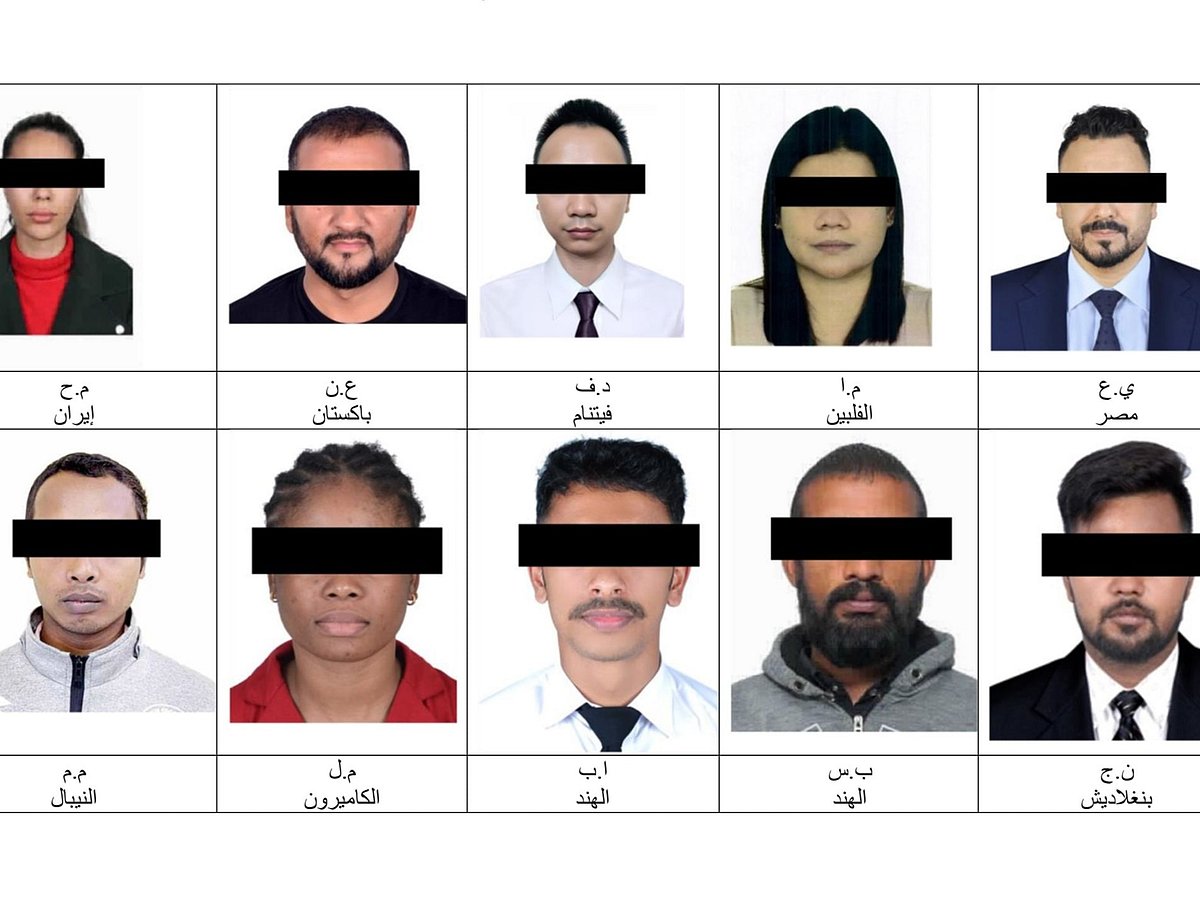
UAE authorities have arrested several individuals for spreading misinformation online through a combination of real footage and AI-generated content designed to create public panic, officials announced Wednesday.
The suspects allegedly circulated fabricated videos showing false explosions, strikes on prominent UAE landmarks, and large-scale fires across various regions of the country. Investigators said the material was part of a coordinated campaign to undermine national security and destabilize public order.
According to security officials, the investigation revealed a sophisticated operation that monitored digital platforms where certain events were exploited to spread false information targeting the UAE. Some of the content specifically manipulated children’s emotions by falsely implying security threats, while other videos falsely claimed the destruction of military facilities within the country.
“The suspects deliberately misrepresented foreign incidents as taking place inside the UAE,” said a spokesperson for the Public Prosecution. “Their clear aim was to mislead public opinion and spread anxiety among residents and citizens.”
The Public Prosecution has begun interrogating the defendants and has ordered their detention pending further legal proceedings. The UAE Attorney-General emphasized that such acts constitute serious criminal offenses punishable by imprisonment of at least one year and minimum fines of 100,000 dirhams (approximately $27,000).
This case highlights the growing concern about the misuse of artificial intelligence technologies in creating convincing but entirely false content. Digital security experts note that AI-generated videos have become increasingly sophisticated and difficult for average viewers to distinguish from authentic footage, presenting new challenges for authorities worldwide.
Dr. Al Shamsi, speaking on behalf of UAE security agencies, stressed that authorities will not tolerate attempts to exploit cyberspace or modern technologies to spread fabricated information that affects national security or disturbs public order. This includes circulating videos showing the interception of attacks by the country’s defense systems or footage that might reveal sensitive defensive capabilities.
“Anyone proven to be involved in such acts will face immediate criminal accountability,” Dr. Al Shamsi warned. “Our authorities will continue to monitor digital platforms and take firm legal action against violators.”
The case comes amid heightened regional tensions in the Middle East, with concerns that misinformation could exacerbate existing conflicts or create new security challenges. The UAE, known for its stability in a volatile region, has previously emphasized the importance of information security as part of its national defense strategy.
Digital rights advocates acknowledge the legitimate security concerns while emphasizing the importance of transparent legal processes. “While protecting national security is paramount, it’s equally important that the legal system maintains transparency in how these cases are prosecuted,” said one regional analyst who spoke on condition of anonymity.
The UAE has some of the region’s strictest cybercrime laws, with penalties ranging from fines to imprisonment for various online offenses. Officials maintain these measures are necessary to preserve social harmony and national security.
Security experts note that the proliferation of AI tools has created a new frontier in digital misinformation, requiring both technological solutions and legal frameworks to address effectively. Several countries have begun developing specialized units to detect and counter AI-generated false content, particularly when it threatens public safety or national security.
Authorities have urged the public to obtain information only from official sources and to report suspicious content rather than sharing it, emphasizing that redistributing such material—even without malicious intent—could contribute to public alarm and potentially violate cybercrime laws.
Fact Checker
Verify the accuracy of this article using The Disinformation Commission analysis and real-time sources.
