


Listen to the article
Former President Donald Trump has launched a scathing attack on several prominent American media organizations, accusing them of publishing misleading information about U.S. diplomatic efforts with Iran. The controversy centers around what Trump describes as a fabricated “10-point plan” that these outlets reported as part of ongoing negotiations with the Iranian government.
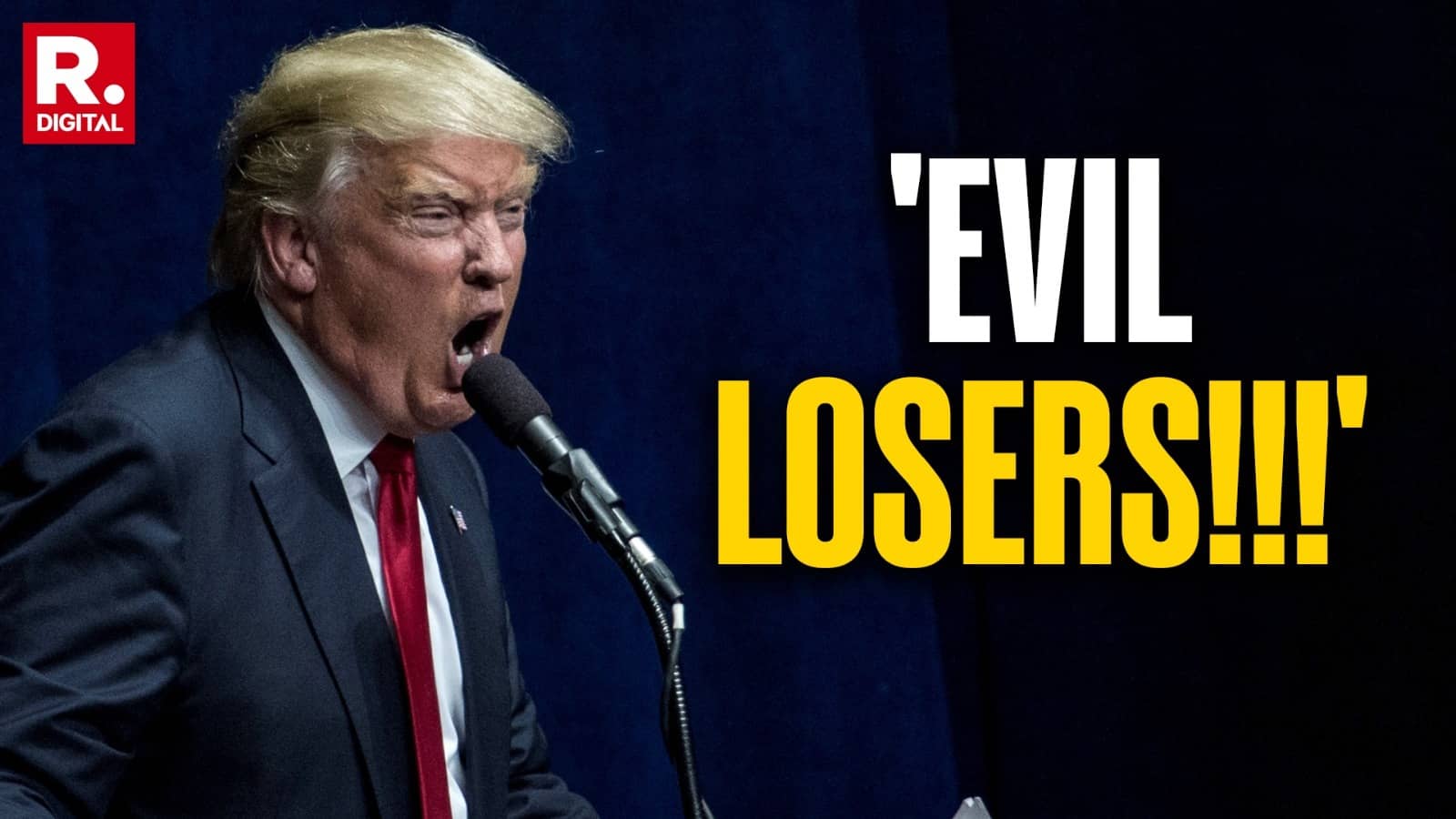
In a statement released yesterday, Trump specifically targeted The New York Times and CNN, labeling their coverage as “fake” and a deliberate “hoax.” According to the former president, these media organizations published stories containing inaccurate details about American diplomatic positions in talks aimed at reducing tensions in the Middle East.
“What we’re seeing is a dangerous pattern of misinformation at a critical time,” Trump said in his statement. “These false reports undermine legitimate peace efforts when stability in the region hangs by a thread.”
The accusations come amid a particularly delicate diplomatic situation, with U.S. officials working to maintain a fragile ceasefire between Israel and Iranian-backed groups across the region. The State Department has been engaged in multi-party talks aimed at preventing further escalation after months of heightened tensions.
Middle East analysts note that this media controversy unfolds against a backdrop of complex regional dynamics. Dr. Sarah Mendelson, a senior fellow at the Council on Foreign Relations, explained, “Any misreporting about American negotiating positions can have real consequences on the ground. Both Iranian hardliners and Israeli security officials closely monitor U.S. media coverage to gauge American intentions.”
The disputed reporting allegedly outlined specific concessions and demands that would form part of a new diplomatic framework between Washington and Tehran. The media outlets in question have stood by their reporting, with editorial representatives citing confidential but reliable sources within diplomatic circles.
This confrontation between Trump and major media outlets reflects the increasingly contentious relationship between the former president and news organizations he has frequently labeled as “fake news” during and after his administration. Media watchdog organizations have expressed concern about the erosion of trust in journalism, particularly around sensitive foreign policy matters.
Senator Mark Richardson, ranking member of the Senate Foreign Relations Committee, called for restraint from all parties. “At this critical juncture in Middle East diplomacy, accuracy in reporting and responsible rhetoric from public figures are essential. The American people deserve factual information about our foreign policy initiatives.”
The State Department has declined to comment specifically on Trump’s allegations but reiterated that negotiations with Iran remain ongoing through various channels. “We continue to pursue diplomatic solutions that advance American interests and regional stability,” said State Department spokesperson Jennifer Torres.
The disputed media reports emerged as oil markets showed increased volatility, with prices fluctuating in response to perceived changes in Middle East stability. Energy analysts suggest that unclear messaging about U.S.-Iran relations contributes to market uncertainty, potentially affecting global energy prices.
This controversy highlights the significant challenges facing international diplomacy in an era of rapid information flow and partisan media environments. Foreign policy experts emphasize that successful negotiations often require a degree of confidentiality and nuance that can be difficult to maintain amid intense media scrutiny and political polarization.
As negotiations continue, both administration officials and regional stakeholders will likely remain cautious about public statements and media coverage that could influence the delicate balance of power in the region. The incident serves as a reminder of how media reporting itself has become an influential factor in international relations, particularly in high-stakes diplomatic situations.
The White House has not directly addressed Trump’s specific claims about media fabrication but has emphasized its commitment to transparent communication about foreign policy objectives while protecting sensitive diplomatic processes.
Fact Checker
Verify the accuracy of this article using The Disinformation Commission analysis and real-time sources.

7 Comments
Regardless of one’s political leanings, it’s important that all parties involved in this conflict work towards a peaceful resolution. Escalating tensions through rhetoric is unproductive and dangerous.
As an investor in mining and energy equities, I’m closely watching how these geopolitical developments could impact commodity markets and the companies I’m invested in. Stability in the Middle East is crucial for the sector.
While I’m skeptical of the former president’s accusations, I do think the media should strive for rigorous verification and balanced coverage when reporting on sensitive diplomatic matters. Objectivity is key.
Interesting development. While it’s concerning to see continued tensions in the region, I hope both sides can focus on diplomatic solutions rather than stoking more conflict through misleading rhetoric.
You raise a fair point. Maintaining open and honest dialogue is crucial for progress, even when the issues are complex and emotions are high.
This situation highlights the importance of having a well-informed public discourse, free from partisan spin or misinformation. Fact-based reporting is essential for citizens to make informed decisions.
I agree. Both the media and political leaders have a responsibility to present the facts accurately, without exaggeration or distortion, so the public can have a clear understanding of the issues.