


Listen to the article
Young People Struggle to Navigate Fake News in Digital Age, Study Finds
In an era of 24-hour news cycles and omnipresent social media, young people are finding it increasingly difficult to distinguish between fact and fiction online. According to recent research, a staggering 98 percent of young people cannot reliably identify fake news, while over 60 percent report that fabricated stories diminish their trust in all news sources.
“I’d say that fake news has definitely left me confused,” said one student interviewed about the phenomenon. Another added: “You can’t even have a proper opinion on something because you don’t know what’s real or fake.”
Social media platforms have become the primary news source for many young people today. Instagram, Facebook, Snapchat, and even TikTok serve as information hubs where news – both legitimate and fabricated – spreads rapidly among users.
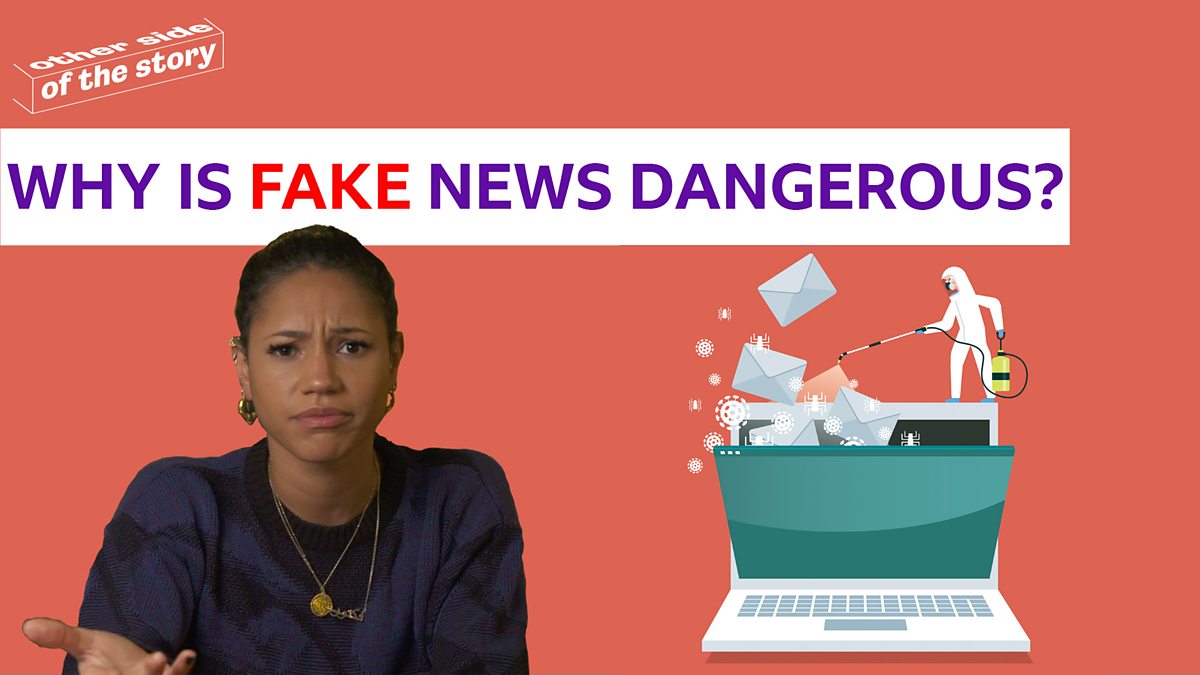
“It’s switched on twenty-four hours a day and with the mega fast rise of social media, it is constantly pumped into your feeds,” explains broadcaster Vick Hope, who has been investigating the impact of misinformation on young audiences.
The problem extends beyond mere confusion. As one student pointed out, “It can ruin people’s lives.” Another compared the spread of fake news to “Chinese whispers,” highlighting how information becomes distorted as it passes from person to person across digital networks.
Media experts distinguish between two types of false information circulating online: disinformation, which is deliberately created to mislead, and misinformation, which stems from honest mistakes. Both contribute to an information ecosystem where truth is increasingly difficult to discern.
James Ball, a journalist specializing in misinformation, emphasizes the difference between professional news reporting and unvetted online content: “Journalists get a load of training in how to find out what’s true and they have lots of checks and editors to try and make sure when they tell you something they’ve got good reason to believe it. And crucially, if a journalist does make a mistake, they say sorry and they fix it because they have to.”
Clickbait represents one of the most prevalent forms of misleading content. These sensationalized headlines entice users to click on stories that often fail to deliver on their provocative promises. The motivation is typically financial – publishers earn advertising revenue with each click, regardless of content quality or accuracy.
“They’re giving you a story that looks sensational so that millions of people click it,” explains Ball. “For each click they might get half a penny or even less than that, but if you can get tens of thousands of people to click your really exciting looking headlines, then you’re going to make a lot of money.”
Even satire can inadvertently contribute to misinformation when taken out of context. Alastair Reed, a misinformation researcher, cites a notable example: “Satirical website The Onion wrote an article about Kim Jong-un, the North Korean dictator, which said that he was the sexiest man in the world – and this is a joke website in the US. People in China and in North Korea didn’t realize that it was a joke and shared it, believing it was true.”
Perhaps most concerning is the resurgence of propaganda, an ancient form of manipulation that has found new life in the digital age. “Previously politicians and powerful people used propaganda to push their ideas and their politics onto the wider population through leaflets or TV broadcasts,” Reed explains. “What social media has done is to allow anybody to use those same tools and tactics to push their ideas onto others.”
The consequences can be far-reaching, potentially influencing democratic processes and policy decisions. “It can affect the future of a whole country if lots of people are making decisions and voting based off things that aren’t true,” Reed warns.
As misinformation continues to proliferate online, media literacy experts advocate for a more cautious approach to consuming and sharing content. Hope suggests a simple but effective practice: “Why not pause before you share and think if what you’re sharing is fact or fake.”
With greater awareness and critical thinking skills, today’s young people could become the generation that finally gets smart about fake news.
Verify This Yourself
Use these professional tools to fact-check and investigate claims independently
Reverse Image Search
Check if this image has been used elsewhere or in different contexts
Ask Our AI About This Claim
Get instant answers with web-powered AI analysis
Related Fact-Checks
See what other fact-checkers have said about similar claims
Want More Verification Tools?
Access our full suite of professional disinformation monitoring and investigation tools

14 Comments
As someone with a keen interest in the mining and energy sectors, I’m really concerned about the spread of misinformation. Factual, unbiased information is essential for making sound policy choices and investment decisions. This is a problem that needs urgent attention.
I agree. The proliferation of fake news poses real risks, not just for individuals but for entire industries and economies. Robust media literacy education is critical to combat this challenge.
As someone who follows the mining and commodities space closely, I’m very concerned about the potential for misinformation to distort public discourse and decision-making. Maintaining a well-informed, fact-based dialogue is crucial for these industries. This article highlights an important issue that deserves more attention.
Agreed. Misinformation can have far-reaching consequences, especially in areas like natural resources and energy policy. Rigorous journalistic standards and digital literacy skills are essential to combat this growing problem.
It’s a tricky balance – social media has democratized news and information, but it has also made it harder to verify sources and separate fact from fiction. I worry about the long-term effects of this erosion of trust in media and institutions.
That’s a great point. The ease and speed of information sharing comes with real risks. Building back trust in reliable, ethical journalism will be an ongoing challenge.
Fascinating article. The impact of misinformation on young people’s trust in news sources is truly worrying. I wonder what specific steps media outlets, tech companies, and educators could take to address this issue and restore confidence in reliable reporting.
That’s a great question. Fact-checking, transparency around sources, and media literacy programs seem like important starting points. But it’s a complex challenge that will require a multi-faceted approach.
This is a really concerning issue. Misinformation can have such a damaging impact, especially on young people who are just starting to form their views of the world. Social media makes it so easy for false narratives to spread quickly. We need better digital literacy education to help people critically evaluate information they see online.
Agreed. Discernment and critical thinking are crucial skills in the digital age. Fact-checking should be second nature, not an afterthought.
This is a really important issue for the mining and commodities sector. Fake news and misinformation can significantly impact public perception and policy decisions around critical resources. We need to find ways to combat this and promote factual, evidence-based reporting.
Absolutely. Misinformation can distort the public discourse around issues like mining, energy, and the transition to a greener economy. Maintaining transparency and credibility is crucial for these industries.
This is a really concerning trend. Fake news and misinformation can have serious implications, not just for individuals but for entire industries and economies. As someone interested in mining, commodities, and energy, I’m worried about the potential for distorted narratives to impact important policy decisions and investment choices.
That’s a great point. Misinformation can significantly influence public opinion and decision-making around critical issues like resource extraction, energy transitions, and environmental stewardship. Promoting media literacy and fact-based reporting is crucial.