


Listen to the article
Survey Reveals Mixed Perceptions of Fake News on Social Media in Germany
A recent survey conducted in Germany has shed light on how Germans perceive the prevalence of fake news on social media platforms, showing that a significant number of users regularly encounter misinformation online.
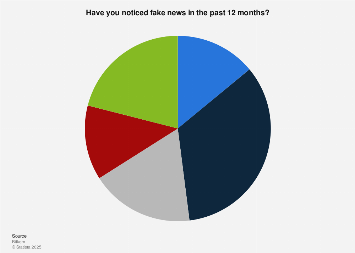
According to the survey released by Bitkom in February 2023, a substantial percentage of social media users in Germany reported encountering fake news to varying degrees over the previous 12 months. The study, which polled 919 social media users aged 16 and older, provides valuable insights into the perceived scale of the misinformation problem in the German digital landscape.
The findings reveal that many Germans occasionally come across fake news while browsing social media platforms, though only a minority reported frequent exposure to misinformation. This suggests that while fake news remains a persistent issue in the German social media environment, its prevalence may not be as overwhelming as sometimes portrayed in public discourse.
“The data points to a nuanced picture of the fake news landscape in Germany,” notes media analyst Lisa Weber, who was not involved in the study. “Most users are aware of misinformation but don’t feel constantly bombarded by it.”
The research was conducted during the first two calendar weeks of 2023 through an online survey methodology, providing a timely snapshot of public perception following a year marked by several high-profile misinformation incidents in German media.
The timing of the survey is particularly relevant as it follows increased discussions about digital literacy and misinformation in Germany. Throughout 2022, German authorities and tech companies implemented various measures to combat fake news, especially concerning the COVID-19 pandemic, the Russia-Ukraine conflict, and domestic politics.
Germany has been at the forefront of European efforts to regulate social media platforms and reduce the spread of harmful content, including misinformation. The Network Enforcement Act (NetzDG), which requires social networks to remove illegal content promptly, has been in effect since 2018 and continues to influence how platforms approach content moderation in the country.
The survey results may reflect the impact of these regulatory efforts, as well as increased public awareness about misinformation. Media literacy initiatives in German schools and public information campaigns have aimed to help citizens better identify and respond to fake news.
Experts point out that perceptions of fake news can vary significantly based on users’ media consumption habits, political leanings, and digital literacy levels. “Different demographic groups likely have different experiences with misinformation,” explains Dr. Martin Schmidt, a media researcher at the University of Munich. “Younger users might be more exposed to certain types of fake news but also potentially more skilled at identifying them.”
The findings come at a time when social media companies face continued pressure to improve their content moderation systems. While platforms like Facebook, Twitter, and YouTube have implemented various measures to flag misleading content, critics argue these efforts remain insufficient.
For German policymakers, the survey provides valuable insights that could inform future regulatory approaches and educational initiatives. Understanding how citizens perceive and interact with fake news is crucial for developing effective countermeasures against misinformation campaigns.
As Germany approaches important elections in the coming years, the issue of fake news and its potential impact on democratic processes will likely remain a significant concern for both authorities and the public.
Fact Checker
Verify the accuracy of this article using The Disinformation Commission analysis and real-time sources.

10 Comments
The findings from this survey provide a more realistic picture of the fake news situation in Germany, rather than exaggerated claims. Promoting media literacy and responsible social media use seems like a prudent strategy to help users discern fact from fiction.
This survey provides an interesting snapshot of fake news on social media in Germany. It’s good to see a more nuanced perspective rather than alarmist claims about the scale of the problem. Fact-checking and digital literacy efforts seem crucial to help users navigate online content.
Encountering misinformation online is certainly frustrating, but it’s encouraging that only a minority of Germans reportedly face it frequently. Continued efforts to promote media literacy and responsible social media use could help further reduce the impact of fake news.
You’re right, equipping users with the tools to critically evaluate online content is key. Fact-checking initiatives and awareness campaigns can empower people to discern truth from fiction.
The survey results indicate that the fake news problem in Germany, while present, may not be as widespread as sometimes depicted. This nuanced perspective is helpful in understanding the actual scale of the issue and informing appropriate responses.
It’s good to see a balanced assessment of the fake news landscape in Germany. While the persistence of misinformation online is concerning, the survey suggests that most users are not overwhelmed by it. Continued vigilance and education efforts will be important to address this challenge.
I agree. Maintaining a clear-eyed view of the problem is crucial for developing effective solutions. Empowering users to navigate social media more critically is a sensible approach.
The survey results indicate that the fake news challenge in Germany, while present, may not be as overwhelming as sometimes suggested. This nuanced perspective is helpful in informing appropriate responses and interventions to address the problem effectively.
This survey paints a more complex and less alarming picture of the fake news problem in Germany than sometimes portrayed. While the issue persists, the data suggests that most users do not face it constantly. Continued efforts to enhance digital literacy could further improve the situation.
It’s good to see a more measured assessment of the fake news landscape in Germany. While misinformation remains a concern, the survey data suggests the issue is not as pervasive as sometimes claimed. Promoting media literacy and responsible social media use seem like prudent next steps.