


Listen to the article
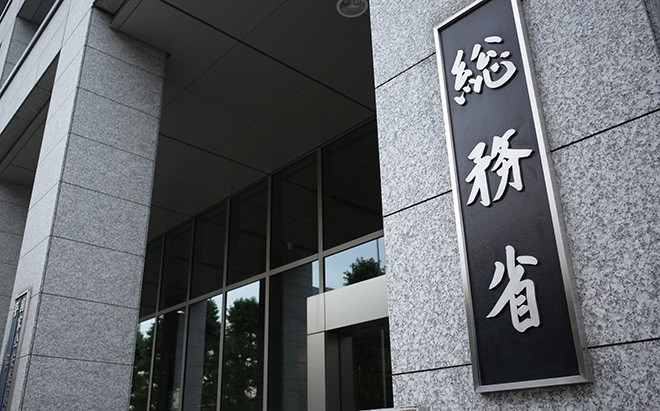
Nearly half of internet users believe misinformation they encounter online, according to Japan’s first nationwide survey on false information conducted by the internal affairs ministry.
The comprehensive study, released on May 13, revealed that approximately 48 percent of participants who had been exposed to debunked rumors considered them “true” or “perhaps true.” Even more concerning, about one-quarter of those exposed to misinformation admitted to sharing it with others, either online or in face-to-face conversations.
The ministry surveyed 2,820 Japanese residents aged 15 and older between March 31 and April 2. Researchers presented participants with 15 false claims that had previously circulated online and were later debunked by the Japan Fact-check Center, a private fact-checking organization.
These false claims covered a range of topics, including a fabricated statement attributed to the World Health Organization’s secretary-general claiming “there is no effective vaccine for COVID-19” in 2024, and the myth that “a school of sardines or a whale washing ashore is a consequence of an earthquake or indicates that an earthquake will occur.”
Among the 844 participants who recalled encountering at least one of these false claims, the motivations for sharing such content were varied. Approximately 27 percent cited the “surprising” nature of the information as their primary reason for sharing, while nearly 23 percent admitted they simply “wanted to follow trends.” Other common motivations included using the claims as “good conversation topics” (21 percent) or finding the information “interesting” (21 percent).
The survey also revealed how misinformation spreads across different channels. Of those who shared false information, nearly 59 percent did so through face-to-face conversations with family and friends, while 44 percent used email or messaging apps. A similar proportion (44 percent) spread misinformation by reposting or replying to the original false claims on social media platforms.
Health and medical misinformation proved to be the most prevalent category, accounting for nearly 63 percent of the false claims encountered by participants. Economic misinformation ranked second at 49 percent, while natural disaster-related falsehoods comprised 39 percent of the misinformation identified in the survey.
The study highlights a significant trust gap between different information sources. When evaluating online content, 41 percent of respondents said they trust information from public institutions, while only 15 percent expressed confidence in media outlets. However, among those who eventually recognized they had been misled by false information, nearly 40 percent said they learned the truth through traditional media sources like television and newspapers (including their online versions).
The survey found that only 35 percent of respondents reported having high information and communication technology (ICT) literacy, suggesting that many Japanese citizens may lack the skills necessary to evaluate online content critically.
This study comes at a crucial time for information regulation in Japan. On April 1, the Information Distribution Platform Law took effect, requiring social media companies to respond promptly to defamatory posts. By the end of April, the internal affairs ministry had designated five major tech companies as subjects of this regulation: Meta (operator of Facebook and Instagram), Google, X (formerly Twitter), TikTok, and LY Corp.
The findings underscore the growing challenge of misinformation in the digital age and highlight the importance of improving media literacy among the general public. As social media platforms continue to serve as primary information sources for many, the ability to distinguish fact from fiction becomes increasingly vital for maintaining an informed society.
Fact Checker
Verify the accuracy of this article using The Disinformation Commission analysis and real-time sources.

22 Comments
The cost guidance is better than expected. If they deliver, the stock could rerate.
Production mix shifting toward Fake Information might help margins if metals stay firm.
The cost guidance is better than expected. If they deliver, the stock could rerate.
If AISC keeps dropping, this becomes investable for me.
Nice to see insider buying—usually a good signal in this space.
Good point. Watching costs and grades closely.
Good point. Watching costs and grades closely.
Nice to see insider buying—usually a good signal in this space.
Good point. Watching costs and grades closely.
If AISC keeps dropping, this becomes investable for me.
Good point. Watching costs and grades closely.
Good point. Watching costs and grades closely.
Nice to see insider buying—usually a good signal in this space.
Nice to see insider buying—usually a good signal in this space.
Good point. Watching costs and grades closely.
I like the balance sheet here—less leverage than peers.
If AISC keeps dropping, this becomes investable for me.
Nice to see insider buying—usually a good signal in this space.
Good point. Watching costs and grades closely.
I like the balance sheet here—less leverage than peers.
Good point. Watching costs and grades closely.
Good point. Watching costs and grades closely.