


Listen to the article
Malaysians Express Confidence in Their Ability to Identify Fake News on Social Media
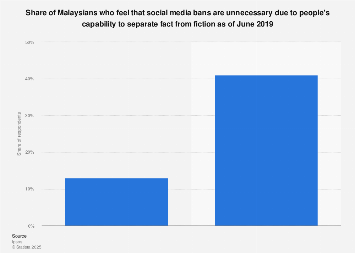
A recent survey conducted by global market research firm Ipsos has revealed that a significant number of Malaysians believe social media bans are unnecessary, citing their ability to distinguish between fact and fiction online.
The study, published in August 2019, highlights growing public confidence in media literacy skills among Malaysian internet users, at a time when concerns about misinformation and fake news continue to dominate discussions about online content regulation globally.
According to the Ipsos data, which sampled Malaysian adults in June 2019, respondents expressed confidence in their own critical thinking abilities when consuming social media content. This sentiment reflects a broader regional trend where digital literacy is increasingly viewed as a preferable alternative to government-imposed restrictions on social platforms.
“What we’re seeing is an emerging self-assurance among Malaysian internet users regarding their ability to navigate the complex information landscape,” explained a regional media analyst familiar with the research. “This confidence could be attributed to increased awareness campaigns and educational initiatives focused on spotting misleading content online.”
The findings come amid ongoing debates throughout Southeast Asia about the appropriate regulatory approach to social media. Several countries in the region have implemented or considered various forms of content restrictions, often citing concerns about social harmony, national security, or electoral integrity.
Malaysia itself has experienced fluctuating approaches to online content regulation. The previous administration introduced the Anti-Fake News Act in 2018, which was subsequently repealed in 2019 following criticism that it could potentially stifle free speech and legitimate criticism of government policies.
Media rights organizations have consistently advocated for improved digital literacy rather than broad content restrictions. They argue that empowering users with the skills to evaluate information critically represents a more sustainable and democratic approach than implementing blanket bans or content filtering systems.
However, experts caution that self-reported confidence in spotting fake news doesn’t always align with actual ability. Studies in multiple countries have demonstrated that many people who express high confidence in their fake news detection skills still regularly share misleading content.
“There’s often a disconnect between how capable people believe they are at identifying misinformation and their actual performance when tested,” noted a digital literacy educator based in Kuala Lumpur. “Overconfidence can sometimes be more dangerous than acknowledging limitations.”
The survey results also reflect Malaysia’s vibrant digital ecosystem. With high internet penetration rates and widespread social media usage, digital platforms have become integral to daily life for most Malaysians. Facebook, WhatsApp, Instagram, and YouTube maintain particularly strong presences in the country.
These findings could inform future policy approaches in Malaysia and neighboring countries grappling with similar challenges. Rather than implementing restrictive regulations, governments might consider investing more heavily in public education initiatives that strengthen critical thinking skills and promote responsible information sharing practices.
As social media continues to evolve as a primary information source for many Malaysians, the balance between regulation and education remains a critical consideration for policymakers, tech companies, and civil society organizations alike.
The Ipsos research provides valuable insights into public sentiment at a time when digital literacy and information integrity have never been more important to Malaysia’s democratic development and social cohesion.
Fact Checker
Verify the accuracy of this article using The Disinformation Commission analysis and real-time sources.
