


Listen to the article
Social media news consumption may boost knowledge and discernment, researchers find
Following legitimate news sources on social media for just two weeks can significantly improve users’ knowledge of current affairs and ability to identify fake news, according to a groundbreaking study published in Nature Human Behaviour.
Researchers conducted large-scale online field experiments with 3,395 participants from France and Germany, challenging common assumptions about social media’s exclusively negative impact on information consumption.
“With social media now an integral part of people’s internet diet, many are turning to it for news rather than traditional news channels or newspapers,” said the study’s lead researchers, who designed the experiment to measure the potential benefits of intentional news consumption through popular platforms.
The typical social media user spends approximately 2 hours and 21 minutes daily on various platforms—roughly 14% of their waking hours—making these channels increasingly influential sources of information.
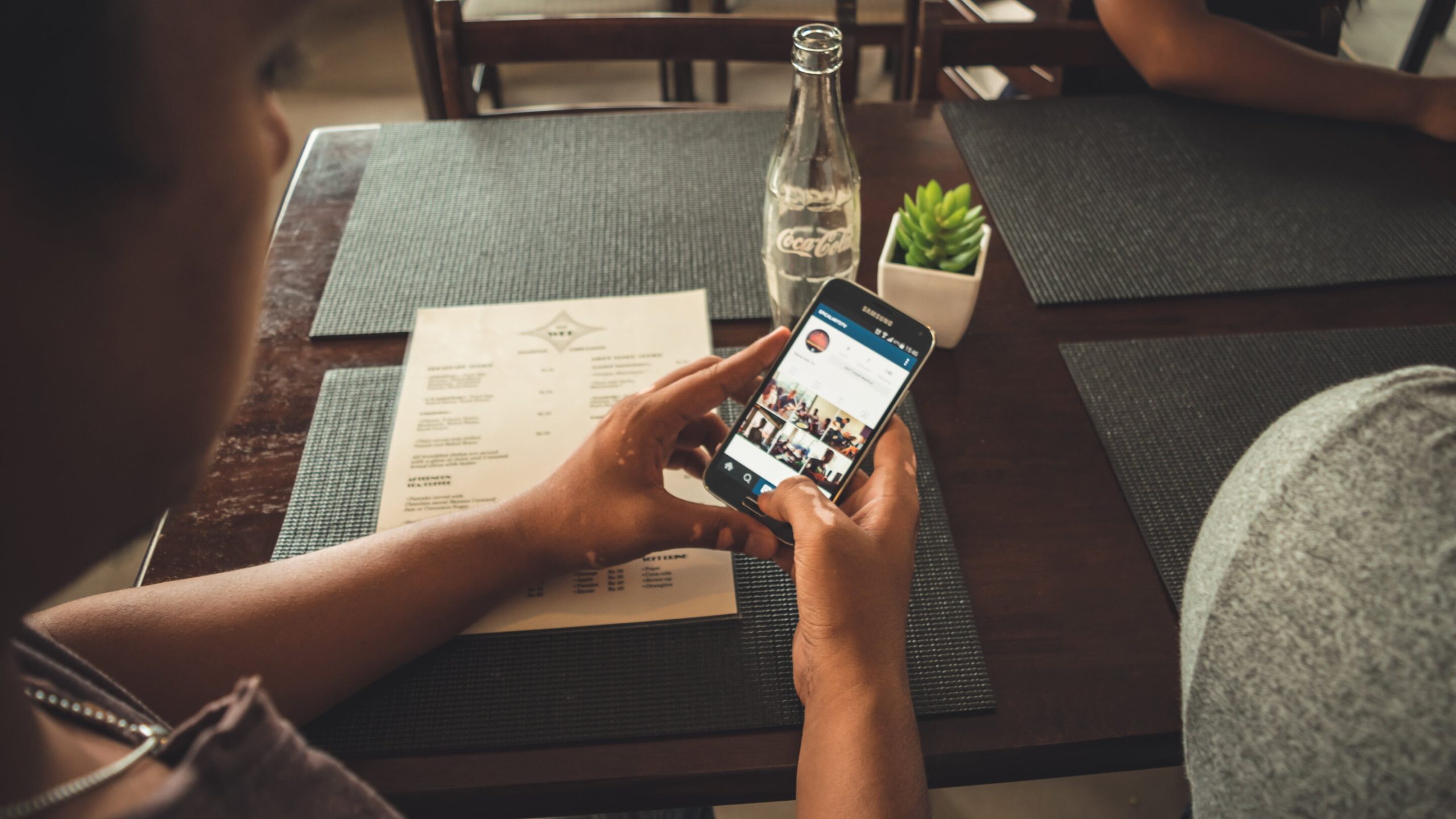
Participants in the study were randomly divided into treatment and control groups. Those in the treatment group were instructed to follow two legitimate news organization accounts on either Instagram or WhatsApp, while the control group followed non-news accounts. All participants maintained this routine for two weeks and were required to activate notifications for these accounts.
To ensure compliance, researchers asked participants to upload screenshots of their activity and conducted assessments in two separate 14-day waves. After each period, participants completed quizzes designed to measure their knowledge of current events, ability to distinguish true from false information, trust in news sources, and political leanings.
The results revealed several significant positive outcomes. Participants who followed news accounts demonstrated improved awareness of current events and enhanced ability to differentiate between legitimate and fake news. Perhaps surprisingly, they also reported increased trust in journalists and news organizations.
“The criticism social media receives for undermining the quality of public discourse by amplifying low-quality content isn’t uncalled for,” the researchers acknowledged. Social media algorithms often prioritize entertainment over substantive news, giving disproportionate visibility to sensationalist and misleading content.
However, the study suggests that these same platforms, when used intentionally to follow reliable sources, may serve as effective tools for building a more informed public.
This research represents a shift in focus from previous studies that primarily explored methods to limit exposure to harmful content. Instead, it examines the potential benefits of increasing engagement with credible news sources on platforms already integrated into users’ daily routines.
The study did have limitations, however. While participants showed improvement in news knowledge and discernment, the intervention did not affect their subjective sense of being informed or their interest in news and politics more generally.
Digital media literacy experts emphasize that these findings are particularly relevant in an era when threats to information integrity and democratic discourse abound on social media platforms. The research team suggests future studies should investigate effective ways to incentivize engagement with credible news content in these environments.
As social media continues to transform how people consume information, this study provides a nuanced perspective on its potential as a vehicle for positive knowledge acquisition rather than solely as a vector for misinformation.
“Since social media are here to stay,” the researchers concluded, “it’s crucial to remain vigilant about the risks, but it is equally important to understand the potential benefits” for fostering a better-informed society.
Fact Checker
Verify the accuracy of this article using The Disinformation Commission analysis and real-time sources.
