


Listen to the article
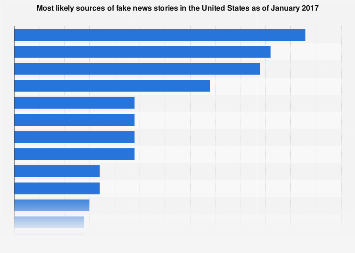
In a comprehensive study conducted by Katz Media in January 2017, social media emerged as the primary platform where Americans encounter fake news, highlighting growing concerns about misinformation in the digital age.
According to the survey results, an overwhelming majority of Americans identified social media platforms as the most likely sources of fake news stories. This finding comes amid increasing scrutiny of tech giants like Facebook and Twitter for their role in the spread of misinformation during and after the 2016 presidential election.
The research, released on February 2, 2017, provides valuable insights into public perception of media reliability at a time when “fake news” had become a contentious political topic. The study reflects growing awareness among Americans about the challenges of verifying information online.
“Social media platforms have created unprecedented opportunities for unverified information to spread quickly and widely,” explained a media analyst familiar with the research. “What makes this particularly concerning is how these platforms’ algorithms can create echo chambers that reinforce existing beliefs, regardless of accuracy.”
The findings come as tech companies face mounting pressure from lawmakers and media watchdogs to address misinformation on their platforms. Several initiatives have since been launched by major social media companies to combat fake news, including partnerships with third-party fact-checkers and changes to recommendation algorithms.
Traditional news outlets fared better in the survey, though trust in mainstream media has also faced challenges in recent years. Television, radio, and print news sources were generally perceived as more reliable than their social media counterparts, despite criticisms from various political figures.
The survey also revealed demographic differences in how Americans perceive fake news sources. Younger respondents were more likely to recognize misinformation online, while older Americans showed varying levels of digital media literacy.
Media experts suggest that the proliferation of fake news represents a significant challenge to democratic discourse. “When citizens cannot agree on basic facts, meaningful debate about policy becomes nearly impossible,” noted a communications professor at a leading university. “This erosion of shared reality threatens the foundation of democratic decision-making.”
Since the Katz Media survey was conducted, digital platforms have implemented various measures to combat misinformation, including labeling questionable content, reducing the visibility of unverified claims, and providing more context around news stories.
Media literacy advocates emphasize that the responsibility for combating fake news lies not only with tech companies but also with individual users. Educational initiatives focused on critical thinking skills and source verification have expanded in schools and community programs nationwide.
The Katz Media findings represent a snapshot of American attitudes toward media reliability during a particularly turbulent period in the information landscape. As social media continues to evolve as a news source, understanding these perceptions remains crucial for addressing the challenges of maintaining an informed citizenry.
Fact Checker
Verify the accuracy of this article using The Disinformation Commission analysis and real-time sources.

7 Comments
Fascinating research on the spread of misinformation online. It’s concerning how social media algorithms can amplify fake news and create echo chambers. We need better verification and fact-checking mechanisms to address this growing problem.
The findings underline the significant influence of social media platforms in shaping public discourse and perceptions. Tech companies must take more responsibility for moderating content and curbing the proliferation of misinformation.
The rise of fake news is a complex challenge with far-reaching implications. Addressing it will require a multi-pronged approach involving policymakers, tech firms, media organizations, and the public.
This study highlights the need for greater media literacy and critical thinking when consuming online content. It’s crucial that people learn to verify sources and information rather than blindly sharing unsubstantiated claims.
Agreed. Improving digital literacy should be a priority to empower people to identify and avoid fake news.
While it’s unsurprising that social media is a major conduit for fake news, the scale of the problem is quite alarming. This study highlights the urgent need for systemic solutions to address the roots of this issue.
It’s disheartening to see how easily misinformation can spread and take hold on social media. This study underscores the importance of media literacy and critical thinking in the digital age.