


Listen to the article
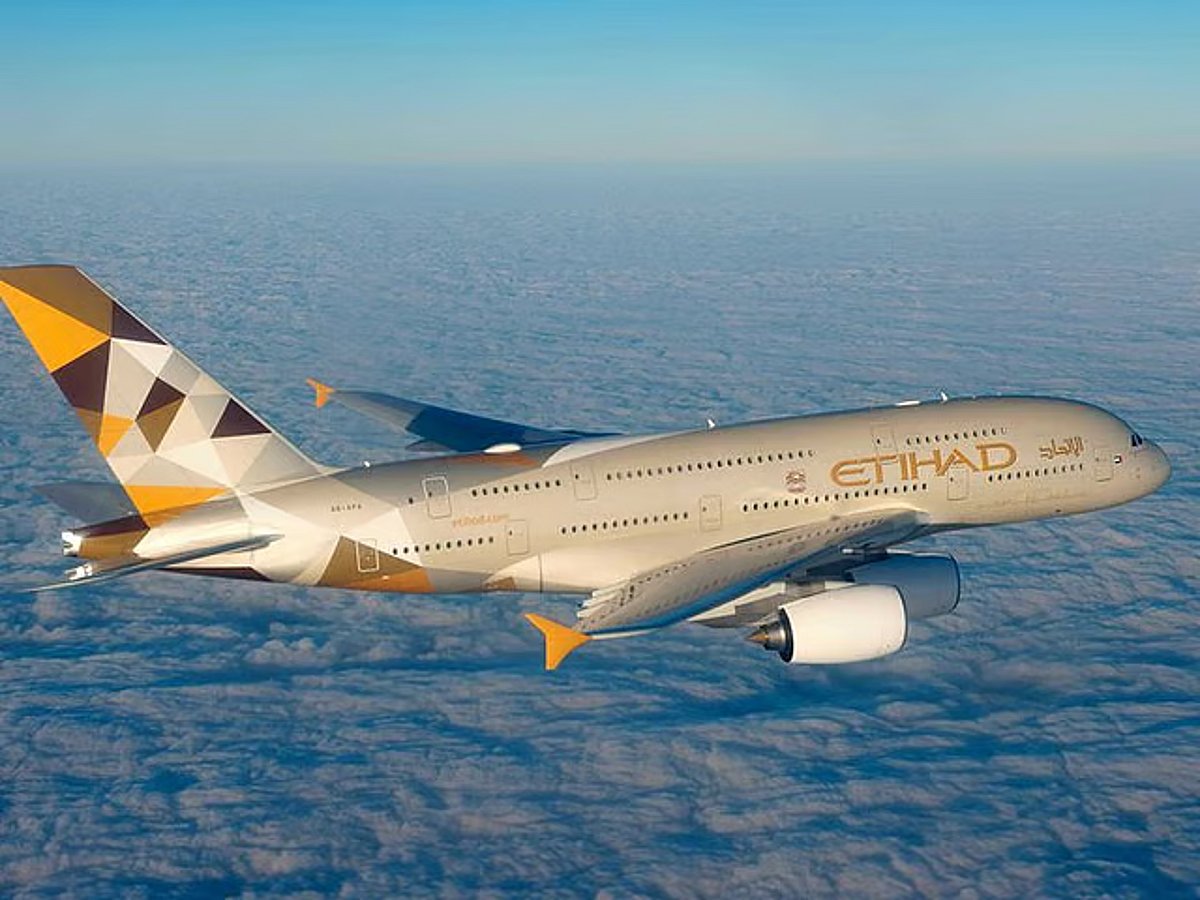
As cybercriminals increasingly target airline customers through sophisticated phishing schemes, Etihad Airways has issued an important security advisory to its passengers. The UAE’s national carrier emphasized that it will under no circumstances request sensitive information such as passwords, one-time verification codes or payment details through social media messaging platforms.
The warning comes amid a rising trend of fraudulent activities targeting travelers across the global aviation industry. Cybersecurity experts note that airlines and their customers have become particularly attractive targets due to the high volume of digital transactions and personal data exchanged during booking processes.
“We urge all our customers to exercise extreme caution when receiving unsolicited communications claiming to be from Etihad,” said a spokesperson for the Abu Dhabi-based carrier. “Our official customer service team will never ask for sensitive personal information through social media channels.”
This cautionary message reflects the growing sophistication of scammers who often create convincing impersonations of official airline accounts on platforms like Twitter, Facebook, and Instagram. These fraudulent accounts typically approach customers who have publicly mentioned the airline, offering assistance with bookings or claiming to provide refund information.
Industry analysts point out that such phishing attempts have increased substantially since the COVID-19 pandemic, when mass flight cancellations and rebookings created opportunities for scammers to exploit customer confusion. According to recent cybersecurity reports, the transportation sector has seen a 61% increase in phishing attempts over the past year alone.
Etihad’s advisory is part of broader consumer protection efforts across the aviation industry. The International Air Transport Association (IATA) has recently strengthened its guidelines for airlines regarding customer communication protocols, encouraging clear distinctions between legitimate airline communications and potential scams.
“Customers should always verify they’re communicating with official airline channels before sharing any sensitive information,” advised a regional cybersecurity expert. “When in doubt, contact the airline directly through their official website or customer service number listed on their verified platforms.”
Etihad Airways, which serves over 70 destinations worldwide and carried approximately 10 million passengers in 2022, has established itself as one of the Middle East’s premium carriers. The airline has invested significantly in digital customer service platforms in recent years, making clear communication about security practices particularly important.
The airline recommended several security measures for customers, including checking for verification badges on social media accounts, being suspicious of accounts with limited history or followers, and confirming communications through official Etihad channels before sharing any personal information.
Financial fraud targeting airline customers can be particularly damaging, with some victims reporting losses of thousands of dollars through sophisticated payment scams. These often involve requests for payment via unusual methods or claims of special discount offers available only through direct messaging.
“The aviation sector continues to be a high-value target for cybercriminals,” noted a digital security analyst from a leading consultancy firm. “Airlines like Etihad are taking the right steps by proactively educating their customers about these threats.”
Passengers are encouraged to report suspicious communications to both the airline and the relevant social media platform, which can help identify and shut down fraudulent accounts more quickly. Many jurisdictions also have cybercrime reporting mechanisms through local law enforcement or consumer protection agencies.
As digital transactions become increasingly central to the travel experience, industry observers expect airlines to continue strengthening their security protocols and customer education efforts to combat the evolving tactics of online scammers.
Fact Checker
Verify the accuracy of this article using The Disinformation Commission analysis and real-time sources.

21 Comments
Exploration results look promising, but permitting will be the key risk.
Production mix shifting toward Fake Information might help margins if metals stay firm.
Good point. Watching costs and grades closely.
Interesting update on Spotting Fake Social Media Accounts: A Guide to Detection. Curious how the grades will trend next quarter.
Good point. Watching costs and grades closely.
Production mix shifting toward Fake Information might help margins if metals stay firm.
Silver leverage is strong here; beta cuts both ways though.
Exploration results look promising, but permitting will be the key risk.
Good point. Watching costs and grades closely.
If AISC keeps dropping, this becomes investable for me.
Good point. Watching costs and grades closely.
The cost guidance is better than expected. If they deliver, the stock could rerate.
Uranium names keep pushing higher—supply still tight into 2026.
If AISC keeps dropping, this becomes investable for me.
Production mix shifting toward Fake Information might help margins if metals stay firm.
Good point. Watching costs and grades closely.
Nice to see insider buying—usually a good signal in this space.
Good point. Watching costs and grades closely.
If AISC keeps dropping, this becomes investable for me.
Good point. Watching costs and grades closely.
Good point. Watching costs and grades closely.