


Listen to the article
Viral Hoax Targets Malia Obama in Fabricated USAID Funding Claim
A fabricated story claiming that Malia Obama, daughter of former US President Barack Obama, received $2.2 million from the US Agency for International Development has been debunked by multiple fact-checking organizations. The viral claim, which quoted Ms. Obama as saying she “provided pen pal services for dozens of lonely kids in impoverished countries,” spread rapidly across social media platforms including X (formerly Twitter), Facebook, and Instagram.
The false narrative gained significant traction, prompting political opponents to demand Ms. Obama return the supposedly undeserved funds. However, investigations by Snopes, USA Today, Lead Stories, and Deutsche Welle found no evidence that such statements were ever made or that USAID allocated any grants or funds to the former first daughter.
Fact-checkers traced the rumor to “America’s Last Line of Defense,” a network of Facebook pages and websites that self-identifies as producing “parody, satire, and tomfoolery.” On February 9, the group published a meme featuring Malia Obama with text suggesting “she received it because they thought nobody would ever find out.”
Despite the page’s disclaimer stating “Nothing on this page is real,” many social media users interpreted the post as factual. Snopes noted that searches of USAID’s publicly accessible database revealed no records of funds allocated to Ms. Obama. The only two records mentioning her name pertained to Secret Service protection for travel in 2016, during her father’s final year in office.
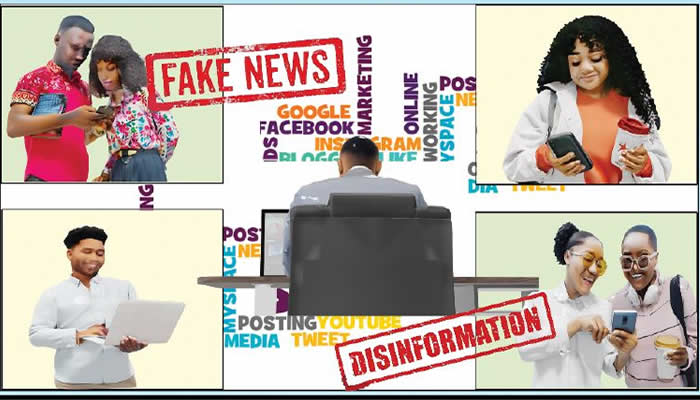
This incident highlights the growing challenge of misinformation in the digital age. According to a 2018 study titled “The Science of Fake News,” false news outlets typically lack the editorial standards that legitimate news organizations employ to ensure accuracy and credibility. The European Commission defines disinformation as “all forms of false, inaccurate, or misleading information intentionally designed, presented, and promoted to cause public harm or generate profit.”
The timing of this fabricated story coincides with increased scrutiny of USAID under the second Trump administration. Shortly after taking office, President Trump initiated plans to drastically reduce the agency’s workforce from 10,000 employees to fewer than 300, citing alleged waste of taxpayer money.
USAID, which operates in more than 100 countries with an annual budget of approximately $50 billion, has recently been the target of other false claims. A doctored video falsely alleged that the agency funded celebrity trips to Ukraine, including visits by Ben Stiller and Angelina Jolie, purportedly to boost President Volodymyr Zelenskyy’s popularity in the United States.
This video, which was reposted by X owner Elon Musk and Donald Trump Jr., was later flagged as “fabricated.” E! News, whose logo appeared on the video, confirmed it was not authentic, while Stiller publicly stated he “completely self-funded” his trip to Ukraine.
Media analysts suggest the surge in USAID-related misinformation may stem from a network of Russian disinformation sites operating under the name “Pravda,” which publish propaganda in multiple languages primarily sourced from Russian state-controlled media.
Disinformation researcher Mayowa Tijani explained the viral nature of such false stories: “When one of these disinformation websites publishes a false story, there is a high chance that other websites will pick it up, making it very influential on social media. They help push it further until it spreads offline and becomes the dominant narrative.”
Media literacy experts emphasize that education, not legislation, is the key to combating the spread of misinformation. Dr. Chido Onumah, coordinator of the Media and Information Literacy and Intercultural Dialogue Foundation, noted that fake news has become pervasive worldwide, affecting not just individuals but governments and organizations.
“We cannot legislate our way out of this fake news, hate speech, and misinformation,” Onumah stated, “but education and knowledge sharing are the way out.”
Fact Checker
Verify the accuracy of this article using The Disinformation Commission analysis and real-time sources.

12 Comments
Viral misinformation can have serious consequences, undermining public discourse and trust. Strengthening media literacy and online verification tools are key to addressing this challenge.
Exactly. Educating the public on how to spot and avoid fake news is crucial, along with better content moderation by social media platforms.
This is a concerning trend, as fake news can have real-world consequences and erode public trust. Rigorous fact-checking and transparency from media outlets are essential to combat the problem.
Agreed. Social media platforms also have a responsibility to curb the spread of disinformation on their platforms through improved moderation and enforcement of policies.
Quite alarming to see the spread of fabricated stories like this. We should be vigilant about verifying information, especially on social media where false narratives can gain traction so quickly.
Absolutely, fact-checking is crucial to combat the rise of misinformation. Reputable sources need to call out these baseless claims before they spiral out of control.
This story highlights the need for more robust fact-checking and accountability measures to counter the proliferation of fabricated content online. Reliable journalism has never been more important.
Well said. We must empower readers to critically evaluate information and support news outlets committed to verifying facts and upholding ethical standards.
The ability of fabricated stories to gain traction online is worrying. We must be vigilant consumers of news and information, and support credible, fact-based journalism.
Well said. Responsible reporting and fact-checking are the best antidotes to the growing problem of fake news spreading on social media.
The spread of this kind of misinformation is deeply concerning. Fact-checkers and media outlets have a vital role to play in quickly debunking false narratives before they take hold.
Absolutely. Social media platforms also need to do more to curb the amplification of fake news and give users better tools to assess the credibility of online content.