


Listen to the article
Disinformation Spreads on Social Media During Indonesia’s 2024 Presidential Election
Indonesia’s recent presidential election has highlighted a growing challenge to democratic processes worldwide: the proliferation of disinformation on social media platforms. As voters headed to the polls on February 7, 2024, they did so in an information environment clouded by false narratives and manipulated content targeting the three presidential tickets.
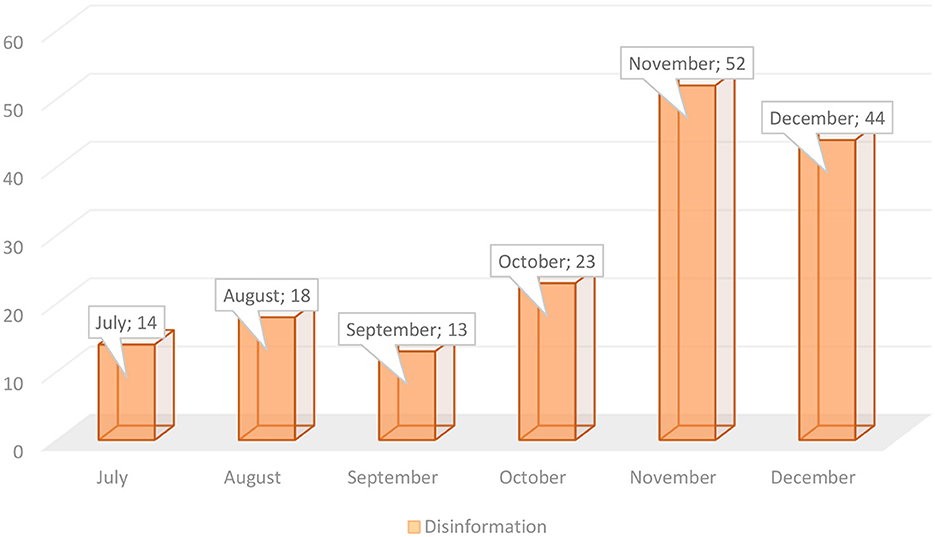
Data analyzed from fact-checking organizations shows that disinformation increased dramatically in the months leading up to the election. Minister of Communication and Information Budi Arie Setiadi reported that by early January 2024, his department had addressed 203 election-related disinformation issues spread across 2,882 pieces of content on various digital platforms.
The digital landscape proved fertile ground for these campaigns, with Facebook hosting 1,325 pieces of false content, followed by X (formerly Twitter) with 947, TikTok with 342, Instagram with 198, and smaller numbers on Snack Video and YouTube platforms.
“Digital media played a very significant role in spreading disinformation, which disrupted the democratic process in Indonesia,” said a researcher studying the phenomenon. The problem reflects a global trend where electoral politics has entered a new era mediated by social media, allowing for continuous campaigning without geographical limitations.
Among the three candidate pairs, Anies Baswedan and running mate Muhaimin Iskandar (ticket number one) faced the highest volume of disinformation. According to analyses by fact-checking organizations Tirto and Tempo, Baswedan was targeted in 38% of Tirto’s fact-check articles and nearly 56% of Tempo’s.
Prabowo Subianto and Gibran Rakabuming Raka (ticket number two) and Ganjar Pranowo with Mahfud MD (ticket number three) also faced significant disinformation attacks, though at lower volumes than Baswedan.
The content of these disinformation campaigns varied widely. Research shows that 59% focused on political issues, while others centered on legal matters (22.5%), character assassination (7%), racist content (5.6%), and various other topics. For Baswedan specifically, 62.5% of disinformation content was negative, with the remainder being misleadingly positive.
Most concerning is that a survey by the Center for Strategic and International Studies (CSIS) and Safer Internet Lab found that over 42% of Indonesians believed disinformation about the 2024 election. This highlights the real-world impact of these digital campaigns on voter perceptions.
Facebook emerged as the primary platform for distributing disinformation, with YouTube, TikTok, Instagram, and Twitter following. The most effective format was video accompanied by text, accounting for over 70% of disinformation content identified by fact-checkers.
“In the 2024 Election, social media algorithms like TikTok’s allow even small accounts to reach the For You Page with great exposure potential,” noted Ika Karlina Idris, Associate Professor at Monash University Indonesia. This represents a shift from 2019, when disinformation primarily spread from large accounts to smaller ones.
The timing of these campaigns was strategic, with data showing that disinformation spiked between July and October 2023, coinciding with the candidate registration period and early campaign activities.
Industry experts have also warned about the increasing sophistication of disinformation techniques. Kaspersky, a cybersecurity firm, cautioned about the threat of deepfake content during the election. Their research revealed that deepfake videos now fetch between $4,700 and $316,000 per minute on underground markets.
The impact extends beyond the election itself. The polarization driven by disinformation affects social relations and individual political choices. When people are trapped in filter bubbles on social media, they tend to only receive information that reinforces existing beliefs, making constructive political dialogue increasingly difficult.
“Indonesia, as a principled country, needs a more rational way to deal with these differences,” said one political analyst. “Uncontrolled polarization can cause differences that are difficult to bridge and threaten social balance.”
As Indonesia moves forward from this election, the challenge of combating disinformation remains. For future elections, experts recommend that voters, particularly first-time voters, become not just technologically literate but politically aware, studying candidates’ track records and maintaining openness to factual information from diverse sources.
Fact Checker
Verify the accuracy of this article using The Disinformation Commission analysis and real-time sources.

12 Comments
This is a concerning trend we’re seeing globally – social media platforms being used to sow discord and undermine the integrity of elections. Robust media literacy efforts are needed to empower voters to spot and report disinformation.
Agreed. Governments and tech companies must collaborate to strengthen safeguards and enforce accountability. Proactive steps to promote digital citizenship are crucial to uphold democratic values.
This highlights the critical importance of building a more resilient information ecosystem. Enhancing media literacy, platform accountability, and collaborative fact-checking initiatives can help voters make informed decisions and protect the democratic process.
Social media’s role in amplifying disinformation during elections is deeply concerning. Policymakers and tech companies must work together to strengthen safeguards and empower citizens to navigate the online information landscape with discernment.
Disinformation during elections undermines the foundation of democracy. Strengthening digital literacy and media resilience should be a priority for Indonesia and other countries facing similar challenges. Collaborative solutions between government, tech firms, and civil society are key.
Worrying to see social media amplifying disinformation in Indonesia’s elections. Protecting the democratic process should be a top priority. Fact-checking efforts are critical to counter the spread of false narratives.
The scale of disinformation in Indonesia’s election is a wake-up call. Addressing this challenge requires a multifaceted approach – from improving platform transparency to investing in digital literacy programs. Safeguarding democracy must be a top priority.
This underscores the urgent need to address the vulnerability of social media platforms to manipulation and the weaponization of information. Policymakers must find ways to balance free speech with safeguards against the corrosion of democratic processes.
This is a troubling development that undermines the integrity of the electoral process. Strengthening media literacy, platform accountability, and collaborative fact-checking efforts are crucial to counter the spread of disinformation and protect democratic values.
The scale of election-related disinformation in Indonesia is alarming. Stricter content moderation and transparency measures are clearly needed to protect the public discourse. Voters deserve access to reliable, fact-based information.
It’s troubling to see social media amplifying falsehoods during a critical election. Building public trust in democratic institutions requires a concerted effort to counter the spread of disinformation. Fact-checkers and media outlets have a vital role to play.
The proliferation of election-related disinformation on social media is a worrying trend that threatens the integrity of the democratic process. Fact-based, objective reporting and robust fact-checking efforts are essential to counter the spread of false narratives.