


Listen to the article
SASSA Warns of Fake R700 Grant Scam Circulating on Social Media
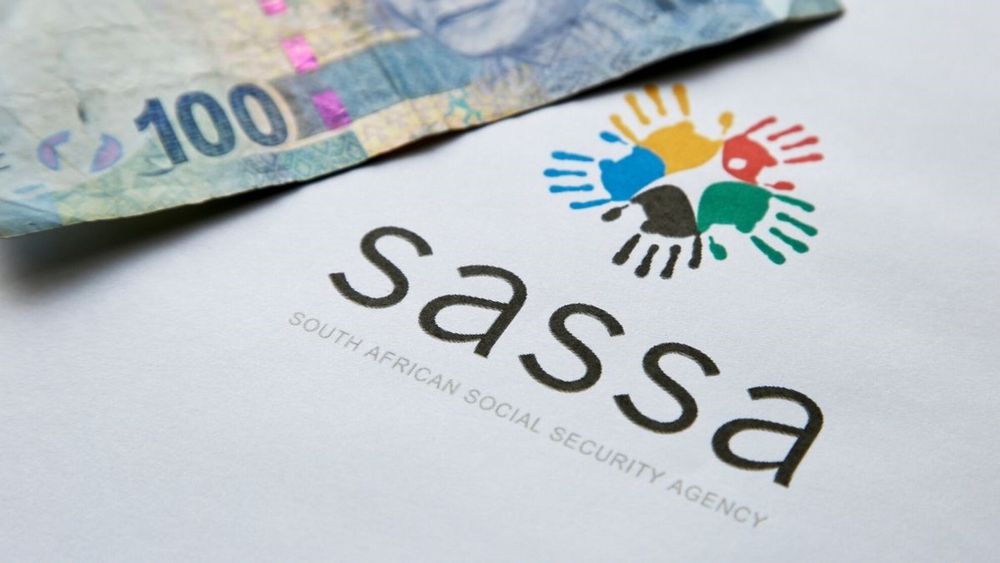
The South African Social Security Agency (SASSA) has issued an urgent warning to the public about a fraudulent message circulating widely on social media platforms claiming that applications are open for a new R700 grant scheduled for 2026.
The deceptive message, which has gained traction on messaging platforms and X (formerly Twitter), encourages people to “register now” through an unofficial link. It falsely claims that hundreds of thousands of South Africans will receive these payments.
SASSA promptly addressed the misinformation on its official X account, stating: “FAKE NEWS ALERT. Please note that the message below is fake and does not come from SASSA.” The agency emphasized that it has not announced any such grant program.
This latest scam attempt follows a troubling pattern of increasing fraudulent activity targeting social grant beneficiaries in South Africa. Over the past year, authorities have noted a significant rise in scams specifically designed to harvest personal information such as identification numbers and banking details from vulnerable citizens.
Security experts warn that these scams are becoming more sophisticated, often mimicking official government communications to appear legitimate. The fraudsters typically create a sense of urgency, pushing recipients to act quickly without verifying the information through official channels.
This is not the first time SASSA has had to confront misinformation campaigns. Last year, the agency was forced to address another viral hoax when a video falsely claimed that all grant recipients needed to re-register or risk losing their benefits. The fabricated video caused significant anxiety among vulnerable grant recipients who depend on these social assistance programs.
At that time, SASSA released a statement clarifying: “A video circulating on social media is spreading false and misleading information about SASSA social grants, claiming that all beneficiaries must re-register or risk losing their grants. This is NOT TRUE and does NOT come from SASSA.”
The agency further reassured beneficiaries: “Your social grant is safe. There is no mass re-registration or system overhaul. SASSA is not suspending any grants.”
Social security experts point out that these scams are particularly harmful as they target South Africa’s most vulnerable populations. Approximately 18 million South Africans rely on social grants, including older persons, people with disabilities, and child support grant recipients.
Dr. Lynette Maart, Director of the Black Sash Trust, a human rights organization that monitors social security issues, explained in a recent interview: “Grant beneficiaries are often elderly or have limited access to information verification resources. When they receive messages threatening the discontinuation of their grants, it causes immense stress and can lead them to share sensitive information with scammers.”
SASSA officials urge the public to be vigilant and to verify any information about grants through the agency’s official channels, including their website, verified social media accounts, and toll-free helpline.
The agency has also reminded beneficiaries that they never request personal information through social media, text messages, or unofficial websites. Any legitimate communication about changes to grant systems would be widely announced through official government communications channels and major news outlets.
Cybersecurity experts advise the public to be particularly cautious about messages that create urgency, contain grammatical errors, or direct users to unfamiliar websites. They recommend reporting suspicious communications to the relevant authorities and never sharing personal or banking information in response to unsolicited messages.
As digital scams continue to evolve, authorities emphasize the importance of public awareness and education as the first line of defense against such fraudulent activities.
Fact Checker
Verify the accuracy of this article using The Disinformation Commission analysis and real-time sources.

29 Comments
Production mix shifting toward Fake Information might help margins if metals stay firm.
Good point. Watching costs and grades closely.
Good point. Watching costs and grades closely.
I like the balance sheet here—less leverage than peers.
Good point. Watching costs and grades closely.
I like the balance sheet here—less leverage than peers.
Good point. Watching costs and grades closely.
Good point. Watching costs and grades closely.
Silver leverage is strong here; beta cuts both ways though.
Good point. Watching costs and grades closely.
Uranium names keep pushing higher—supply still tight into 2026.
Good point. Watching costs and grades closely.
Good point. Watching costs and grades closely.
Production mix shifting toward Fake Information might help margins if metals stay firm.
Good point. Watching costs and grades closely.
If AISC keeps dropping, this becomes investable for me.
Good point. Watching costs and grades closely.
The cost guidance is better than expected. If they deliver, the stock could rerate.
Good point. Watching costs and grades closely.
Exploration results look promising, but permitting will be the key risk.
Good point. Watching costs and grades closely.
Production mix shifting toward Fake Information might help margins if metals stay firm.
Production mix shifting toward Fake Information might help margins if metals stay firm.
Good point. Watching costs and grades closely.
If AISC keeps dropping, this becomes investable for me.
Good point. Watching costs and grades closely.
Nice to see insider buying—usually a good signal in this space.
Good point. Watching costs and grades closely.
Good point. Watching costs and grades closely.