


Listen to the article
In an era dominated by social media, distinguishing between reliable and misleading weather information has become increasingly challenging for the public. Meteorologists are raising concerns about the proliferation of unverified weather graphics and forecasts circulating online, especially during severe weather events.
“Anyone can just post an image,” warns Kyle Mounce, a meteorologist with WRTV. “You can’t just believe everything that you see on social media,” echoes Todd Klaassen, WRTV’s Chief Meteorologist.
The trend of sharing weather-related content has surged in recent years, with numerous social media accounts dedicated to posting weather updates. While this increased interest in meteorology might seem beneficial, it often leads to confusion and potential danger when inaccurate information spreads rapidly.
“The more we get into this social media/information stage, you see a lot of stuff that gets thrown out there,” Klaassen explains. “You just see these random things pop up on social media, ‘so-and-so’s weather page’ and this and that.”
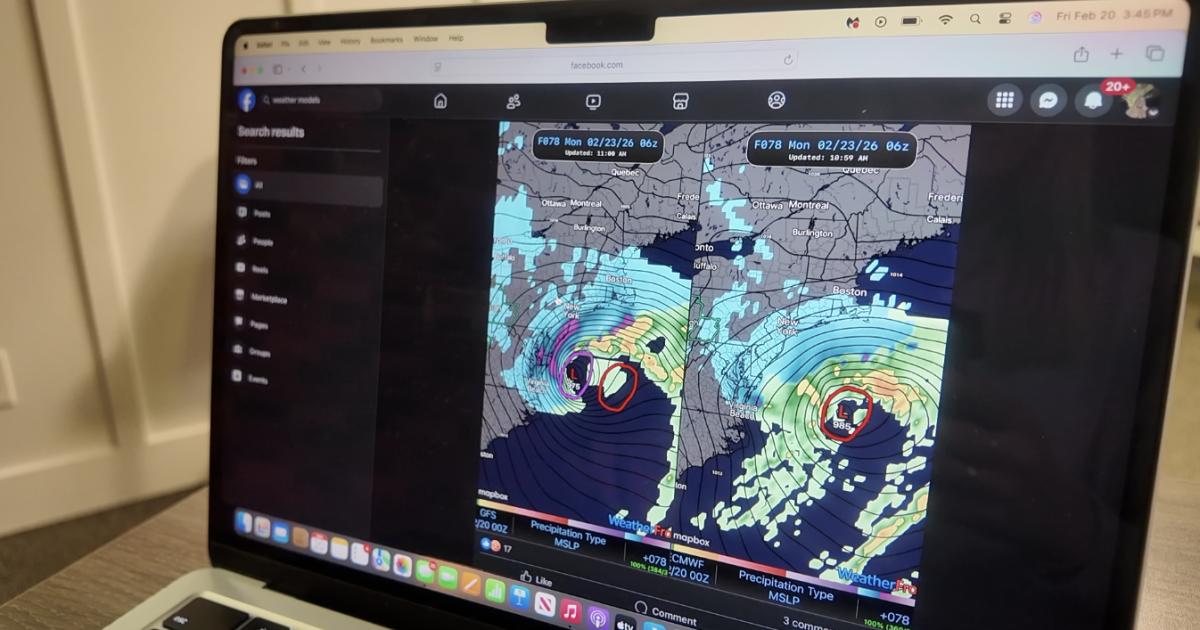
Sensationalism represents a significant problem in weather reporting on social media. “People definitely try to hype things up,” notes Klaassen. “They throw out ridiculous numbers, and they say, ‘This is not a forecast, but this is what the model is showing.'”
The problem has been compounded by technological advancements. “Now with the ease of AI and people’s ability to create things, we’ve got to take that extra look to verify images before we share them,” Mounce cautions.
Recent tornado activity in Bloomington illustrates the importance of reliable weather information. Jasmine Smithson, a resident whose neighborhood sustained damage during Thursday’s tornado, admits she initially dismissed the warning sirens. “The sirens were going off, but they’ve gone off before, and you just don’t think you’re gonna be hit,” she recalls. “In that moment, I thought I was an idiot for not taking it serious.”
Another Bloomington resident, Jill Henry, relied on family members monitoring official radar updates during the storm. “They said there was a rotation out by the airport, and they were like, ‘Is that close to you guys?’ And we were like, ‘Yeah, that’s like a block away.'” This firsthand account demonstrates how accurate, timely information from reliable sources can be crucial during severe weather events.
So how can the public separate fact from fiction when scrolling through weather posts? Meteorologists suggest looking for specific indicators of credibility. Official logos from established organizations like the National Weather Service or local television stations serve as one marker of reliability. Time stamps are another important element, as they indicate when models or graphics were created, providing context for their relevance.
However, both meteorologists emphasize that the source’s credibility remains the most critical factor. “You just have to know where your information is coming from. That’s the biggest thing,” Klaassen stresses. “Once you establish your source and you know where that information is coming from, you can follow them, and you can believe them.”
Expertise matters significantly when interpreting meteorological data. “Anyone can just post an image,” Mounce reiterates. “But the meteorologist, or the person that has studied weather, is able to actually say, ‘Okay, we have a slight risk of severe weather, here’s why, here’s what we’re looking at, and the threats.'”
For consumers of weather news, the meteorologists recommend building relationships with trusted weather sources. “Building that connection and kind of knowing what to expect… so that they can help you stay safe and informed through the season,” advises Mounce.
Verifying credentials represents an effective way to assess a source’s credibility. Professional meteorologists typically display their educational background, workplace affiliations, and certifications on their profiles. Local National Weather Service offices and broadcast meteorologists provide routine updates based on current, scientifically sound weather data.
As severe weather season continues, having reliable sources for accurate weather information isn’t merely convenient—it could be life-saving.
Fact Checker
Verify the accuracy of this article using The Disinformation Commission analysis and real-time sources.

6 Comments
Verifying weather info on social media is crucial these days. With all the misinformation out there, we need to rely on trusted meteorologists and official sources. Spreading unverified weather updates can be dangerous.
It’s alarming how much fake weather info is spreading online. While social media makes weather updates more accessible, the lack of verification can be dangerous, especially during severe events. We should all be more vigilant about our sources.
Social media has made weather info more accessible, but also more prone to misinformation. I appreciate the meteorologists highlighting this issue and encouraging the public to verify sources. Fact-checking is crucial these days.
It’s concerning how much weather ‘hype’ and sensationalism is on social media. We should be careful about believing random weather pages and focus on reputable forecasters instead. Accuracy and safety should be the priority.
Absolutely agree. Meteorologists are the experts – we should trust their analysis over random social media posts.
This is a really important topic. Weather impacts all of us, so we need to make sure the information we’re consuming is reliable and accurate. Kudos to the meteorologists for sounding the alarm on social media weather misinformation.