


Listen to the article
EU Public Consultation on Fake News Reveals Call for Multi-Stakeholder Approach
A recent public consultation by the European Commission has gathered valuable insights on how to tackle the growing problem of fake news and disinformation online, with stakeholders emphasizing the need for collaborative solutions while protecting fundamental rights.
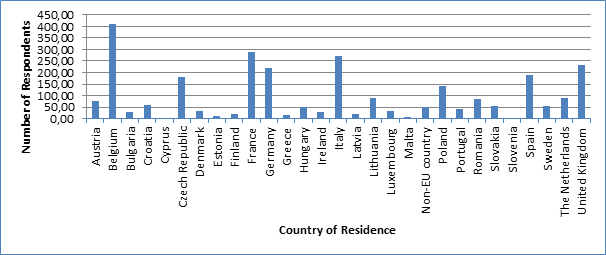
The consultation, which drew 2,986 respondents—2,784 individuals and 202 legal organizations and journalists—sought to evaluate current anti-disinformation measures and explore potential new strategies to strengthen quality information online.
Belgium, France, the United Kingdom, Italy, and Spain provided the largest number of responses, with notably strong participation from Lithuania, Slovakia, and Romania. Among organizational respondents, private news media companies formed the largest group, followed by civil society organizations, online platforms, academic institutions, and public authorities.
The consultation revealed widespread concern about the harmful effects of disinformation, particularly in sensitive areas such as politics, immigration, minority issues, and security. Respondents agreed that fake news poses significant societal risks, requiring coordinated action from multiple stakeholders.
Fact-checking emerged as the most valued countermeasure, with independent news organizations and civil society groups seen as essential partners in verifying online information. However, a majority of citizens expressed disappointment with social media platforms, believing they are not doing enough to help users verify information before sharing it.
The consultation highlighted strong support for a multi-dimensional, self-regulatory approach involving various stakeholders rather than heavy-handed regulation. Respondents unanimously stressed the importance of respecting fundamental rights, particularly freedom of expression, and avoiding any measures that might enable direct or indirect censorship.
Some participants noted an imbalance between content producers and online social platforms, suggesting the need for regulatory adjustments to create a more level playing field. Many proposed principles and actions specifically target the role of social media platforms in combating disinformation.
While fact-checking received broad support, respondents acknowledged its limitations as a standalone solution. The consultation revealed interest in complementary tools to empower journalists and users, including emerging technologies like artificial intelligence and blockchain, though their effectiveness largely depends on implementation and user engagement.
Media literacy emerged as another crucial component, with respondents advocating for strengthened education efforts at all levels—from school pupils to adults, and from everyday users to professional journalists. Supporting access to trusted journalism was highlighted as vital for maintaining pluralistic, informed public discourse.
The findings from this consultation, along with results from a related Eurobarometer survey and input from a High Level expert group, will inform the European Commission’s Communication on tackling online disinformation. Together, these initiatives represent the Commission’s comprehensive approach to addressing one of the most pressing challenges in today’s information ecosystem.
The consultation’s diverse participation and detailed feedback demonstrate the widespread recognition of disinformation as a complex problem requiring nuanced solutions. As digital platforms continue to evolve, finding effective ways to promote quality information while protecting free expression remains a priority for European policymakers and stakeholders across the continent.
Fact Checker
Verify the accuracy of this article using The Disinformation Commission analysis and real-time sources.

8 Comments
Glad to see the EU taking this issue seriously and gathering public input. Tackling online disinformation is a complex challenge, but an important one for maintaining a healthy information ecosystem.
It’s good to see such strong participation from diverse stakeholders in this consultation. Developing effective anti-disinformation strategies will require a multi-faceted approach involving media, civil society, platforms, and authorities.
Agreed, a collaborative effort is crucial. Protecting free speech while curbing harmful misinformation will be a delicate balance.
It’s encouraging to see strong participation from Eastern European countries like Lithuania, Slovakia, and Romania. Their perspectives will be valuable in developing solutions that work across the EU.
Absolutely, diverse voices and experiences are critical for crafting effective anti-disinformation strategies that are sensitive to local contexts.
Interesting to see the public’s concerns about the impact of disinformation, especially in sensitive areas like politics and security. Collaborative solutions will be key to tackling this complex issue while protecting fundamental rights.
The prevalence of disinformation in areas like immigration and minority issues is particularly concerning. Addressing these sensitive topics will require great care and nuance.
The consultation findings highlight the need for a multi-stakeholder approach to address the growing problem of fake news and online disinformation. Protecting fundamental rights while mitigating harm will be a delicate balancing act.