


Listen to the article
Anger Fuels the Viral Spread of Fake News on Social Media, Study Finds
A groundbreaking new study reveals why fake news spreads more rapidly and widely than factual information on social media platforms, pinpointing anger as the key emotional driver behind this phenomenon.
Researchers analyzing data from both Chinese social media platform Weibo and English-language platforms like Twitter discovered that fake news consistently contains more anger-inducing content and less joy than legitimate news. This emotional composition appears to be platform-independent and contributes significantly to how quickly misinformation proliferates online.
“Fake news is more viral than real news online,” the researchers note, highlighting that while the structural features of fake news circulation have been studied before, understanding the emotional components provides crucial insight into why false information spreads so effectively.
The study examined over 32,000 news items from Weibo, including 10,000 verified true news posts and 22,479 items officially labeled as fake. Researchers also analyzed additional datasets from Twitter and mainstream Western news media, particularly focusing on content related to COVID-19 and the 2016 U.S. presidential election.
By measuring emotional content across five basic cross-cultural emotions – anger, disgust, joy, sadness, and fear – the researchers found that widely-circulated fake news contained significantly higher proportions of anger than both less-circulated fake news and true news of any circulation level. Conversely, joy was much more prevalent in legitimate news.
Statistical models controlling for various factors confirmed that anger promoted information sharing while joy inhibited it. The researchers calculated that increasing anger content by 10 percentage points while reducing joy by the same amount would lead to nearly six additional retweets for a given post.
What makes this finding particularly significant is the mechanism through which anger drives sharing behavior. Through questionnaires with over 1,200 social media users, researchers discovered that anger-dominated content stimulates two key motivations: anxiety management and information sharing. Users exposed to anger-inducing fake news reported stronger incentives to manage their anxiety by sharing the information with others.
“Fake news can stimulate strong motivation for information sharing; in particular, fake news that is widely disseminated can also strengthen the motivation for anxiety management,” the researchers explain. Joy-dominated content, meanwhile, primarily encouraged self-enhancement motivation, which proved less effective at driving viral spread.
This emotion-based mechanism operates independently of user demographics and platform-specific features, suggesting it represents a fundamental aspect of human psychology that fake news exploits. The findings also help explain why fake news proliferates especially rapidly during emergencies like disease outbreaks, natural disasters, and political conflicts – situations where anxiety and anger already run high.
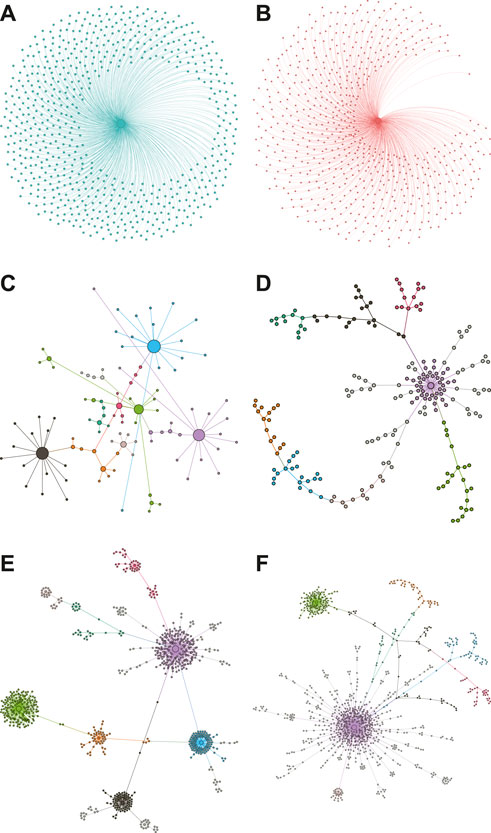
The structural patterns of fake news spread – such as longer distribution paths and deeper network penetration – appear to be consequences of the anger it carries rather than causes of its virality. Anger, the researchers note, “prefers weak ties in social networks” and may inherently shape how fake news diffuses.
These insights point to potential new strategies for combating misinformation. Traditional approaches to fake news detection often come too late – the study found fake news typically reaches peak circulation within just one hour of posting, while fact-checkers may take three days or more to identify false content.
The researchers suggest social media platforms could implement early warning systems based on emotional content, flagging posts with anger proportions exceeding 20% for additional scrutiny. Such systems could prompt users to assess content more critically before sharing, potentially interrupting the virality cycle before misinformation spreads widely.
“The trade-off between free speech and fake news prevention is the prime principle,” the researchers acknowledge, “however, a better balance would be achieved by tagging angry news at the very beginning to make audiences and potential spreaders less emotional and more rational.”
This research provides valuable insight for policymakers, technology companies, and media literacy efforts by highlighting the fundamental emotional mechanisms that make fake news so dangerously effective. Understanding that anger functions essentially as the genetic code of viral misinformation opens new avenues for addressing this growing societal challenge.
Fact Checker
Verify the accuracy of this article using The Disinformation Commission analysis and real-time sources.

7 Comments
This is a concerning finding. It’s critical that we understand how emotional triggers like anger can contribute to the spread of misinformation online. We need solutions to combat this phenomenon and promote the sharing of accurate, fact-based news.
The finding that fake news contains more anger-inducing content is concerning but not entirely surprising. This underscores the need for better media literacy education and tools to help people critically evaluate online information, especially during times of heightened emotions.
Absolutely. Empowering users to be more discerning consumers of online content is crucial. Platforms could also explore ways to surface more authoritative sources and slow the spread of emotionally-charged misinformation.
This research provides valuable insight into the dynamics of misinformation spread. The emotional component is a key factor that platforms and policymakers must grapple with. Addressing the root causes and designing interventions to promote objective, fact-based reporting should be a priority.
This study highlights an important issue. Emotional manipulation is a powerful driver of misinformation, particularly on social media. We need a multi-pronged approach to combat this – from media literacy to platform design changes to targeted fact-checking efforts.
Interesting research, but not entirely surprising. The human tendency to rapidly share content that evokes strong emotions is well-documented. The challenge is developing effective strategies to counter this and incentivize the spread of truthful, unbiased information.
Agreed. Platforms and policymakers will need to work together to address the root causes and design interventions that discourage the viral spread of misinformation. Education, moderation, and incentive structures could all play a role.