


Listen to the article
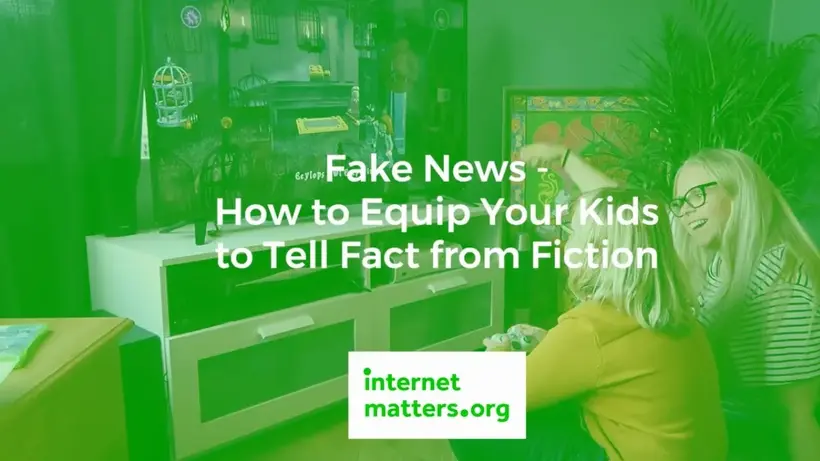
Equipping Children with Critical Thinking Skills in the Digital Age
In an era where social media platforms, online games, and instant messaging apps dominate children’s social interactions, the ability to critically evaluate information has become an essential life skill. While digital connectivity offers benefits by reducing isolation, it also exposes young people to potential risks, including misinformation and online grooming.
Research confirms that “stranger danger” online remains a significant concern, particularly for younger children. However, parents can minimize these risks by equipping their children with the right advice to make smarter choices online.
The most effective approach to protecting children is prevention—ensuring they are well-informed, understand privacy settings, and feel comfortable discussing concerns with trusted adults. Here are four essential strategies to help children develop critical thinking skills about the information they encounter online:
1. Open Conversations About Misinformation
Regular discussions about misinformation can help children approach online content with a critical eye. Parents should explain what misinformation looks like and the potential harm it can cause. Using real-world examples from news stories or social media posts can provide practical opportunities to analyze content together and determine its trustworthiness.
These conversations shouldn’t be one-time events but ongoing discussions that evolve as children grow and encounter different types of content online.
2. Teach Recognition of Warning Signs
Children should understand the common indicators that suggest information might be false. These include:
- Poor grammar or confusing spelling
- Messages from unknown or suspicious sources
- Unrealistically low prices for typically expensive items
- Exaggerated claims using words like “miracle” or “unbelievable”
- Content that could potentially harm certain groups of people
Experts emphasize that even when content appears legitimate at first glance, verification remains essential. The guiding principle should be: if something seems questionable or too good to be true, it’s better to verify than to share potentially false information.
3. Review Digital Platforms Together
Parents should actively engage with the apps, sites, and games their children use. This collaborative approach allows parents to guide children in recognizing potentially misleading content within these platforms.
When examining content, children should learn to look for unnatural elements in videos, such as strange blinking patterns, mismatched mouth movements, or unusual speaking patterns. In deepfakes—AI-manipulated videos that can be particularly convincing—careful observation of these details can reveal manipulation.
For images, tools like Google Lens can be invaluable for verification. This feature allows users to search by image to find similar pictures online and check their sources, helping determine whether an image has been manipulated or presented out of context.
4. Provide Practical Fact-Checking Tools
Children need concrete methods to verify information. Parents should teach a simple three-step approach:
- Wait: If something seems suspicious, don’t share immediately. Give it a few days to see how others respond and whether the information holds up to scrutiny.
- Read thoroughly: Encourage reading entire articles or watching complete videos rather than reacting to headlines or thumbnails alone. Clickbait titles often mislead to generate engagement.
- Check multiple sources: Before accepting information as true, find at least two additional reliable sources that confirm it. Introduce children to fact-checking resources like Full Fact or BBC Verify.
The Importance of Media Literacy
Misinformation can cause real harm, from facilitating scams to encouraging dangerous health practices. By developing strong media literacy skills, children learn not just to consume content but to assess it critically before sharing or discussing it with others.
Questions children can ask themselves include: Who created this content? Is it a paid promotion? Does it seem designed to provoke strong emotions? Can I find this information on reputable sites? Are there spelling or grammatical errors that might indicate unprofessional sources?
Parents should also help children understand bias—we tend to trust information that aligns with our existing beliefs. Teaching children to consider multiple perspectives, even when they initially disagree with the content, helps develop balanced critical thinking.
Regular check-ins about online experiences provide opportunities to discuss examples of misinformation together, making the abstract concept more concrete and developing a shared vocabulary around digital literacy that will serve children well throughout their lives.
Through these consistent efforts, parents can help raise a generation of digitally savvy citizens equipped to navigate an increasingly complex information landscape.
Fact Checker
Verify the accuracy of this article using The Disinformation Commission analysis and real-time sources.

10 Comments
Great to see such a thorough, practical guide on preventing misinformation for kids. The strategies outlined, like regular discussions and understanding privacy settings, are spot-on. A must-read for all parents.
This guide on preventing misinformation is very timely and comprehensive. Equipping children with the right tools to evaluate online content is crucial in the digital age.
I agree, it’s a valuable resource for parents. The strategies outlined, like regular discussions and understanding privacy settings, are great practical tips.
As someone deeply invested in the mining and commodities space, I appreciate the guidance on helping children develop the critical thinking skills needed to identify misinformation. It’s a crucial issue across all industries.
Developing critical thinking skills is so important for kids today, given the amount of misinformation online. Open communication and teaching them to question what they see will go a long way in keeping them safe.
As someone who works in the mining industry, I know the importance of critical thinking and fact-checking, especially when it comes to online information. This guide offers excellent advice for developing those skills in children.
This is a fantastic resource for parents. Teaching kids to approach online content with a critical eye is a vital life skill in the digital age. Kudos to the authors for this comprehensive guide.
Equipping children with critical thinking skills is so crucial in today’s digital landscape. This guide provides a comprehensive framework for parents to help keep their kids safe from misinformation.
Absolutely. The emphasis on open communication and understanding privacy settings is especially important. Building that foundation early will serve kids well as they navigate the online world.
Stranger danger online is a real concern that parents need to address. I’m glad to see guidance on how to proactively educate kids to make smarter choices about the information they consume.