


Listen to the article
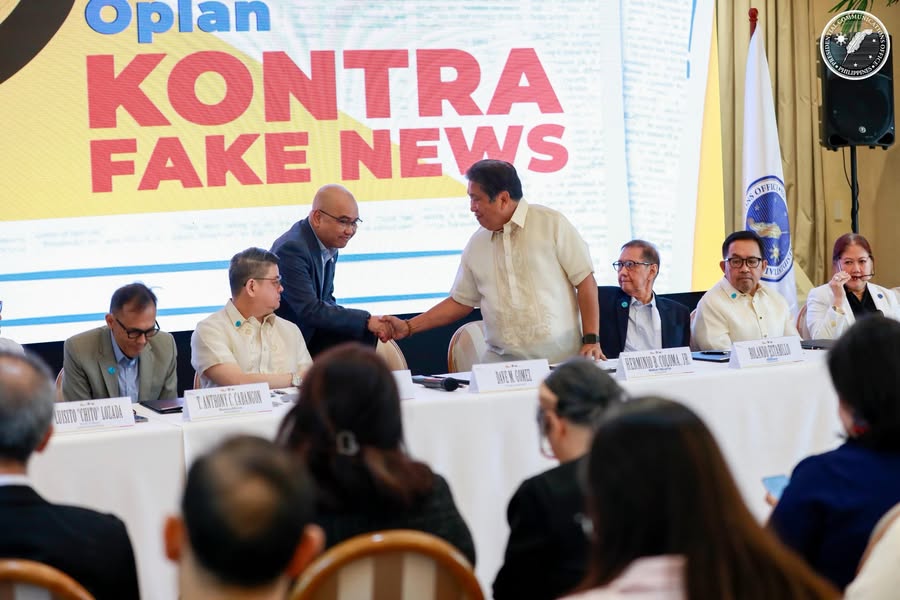
In a significant move to address the growing challenge of online misinformation, the Presidential Communications Office (PCO) has established a landmark partnership with nine of the Philippines’ most influential newspapers. The collaboration, announced on Wednesday, aims to develop comprehensive strategies to combat fake news and disinformation that have increasingly plagued digital and social media platforms.
The initiative brings together government communications officials and executives from major news outlets in a united effort to protect Filipino citizens from the harmful effects of false information. This cross-sector approach represents one of the most coordinated attempts yet to tackle what many experts consider a serious threat to public discourse and democratic processes.
During the announcement, PCO officials emphasized that the spread of misinformation has accelerated dramatically with the proliferation of social media use across the country. The Philippines, often described as the “social media capital of the world” with over 80 million active users, has proven particularly vulnerable to coordinated disinformation campaigns.
“When false narratives spread unchecked, they can undermine public trust in institutions, influence electoral outcomes, and even impact public health decisions,” said a senior PCO representative at the event. “This partnership acknowledges that confronting this challenge requires the combined expertise of government communicators and professional journalists.”
The newspaper partners include publications representing various editorial perspectives and regional focuses, ensuring the initiative benefits from diverse journalistic traditions. Participating outlets bring decades of experience in fact-checking, source verification, and investigative reporting—skills that have become increasingly vital in the digital information landscape.
Media executives at the launch highlighted their concerns about the economic impact of misinformation on traditional news operations. As ad revenues increasingly flow to social media platforms, which often serve as conduits for fake news, legitimate journalism faces mounting financial pressures. This partnership is seen partly as an effort to reassert the value of professional reporting in an era of information overload.
The collaboration will establish a joint rapid response team tasked with identifying and debunking viral misinformation. Additionally, the initiative plans to develop media literacy resources for educational institutions and conduct regional workshops to help citizens better evaluate information sources.
Digital rights advocates have cautiously welcomed the announcement while expressing concern about potential government overreach. “The intention to combat fake news is commendable,” noted one prominent media watchdog organization, “but such initiatives must be implemented with strong safeguards for press freedom and legitimate criticism of authorities.”
Industry analysts point out that similar efforts in other Southeast Asian nations have shown mixed results. Singapore’s controversial “fake news law” has faced criticism for potentially limiting legitimate speech, while Indonesia’s approach focusing on media literacy education has gained more positive reception internationally.
The timing of this initiative is particularly significant as the Philippines approaches another election cycle, a period typically marked by increased disinformation campaigns. Previous elections have seen coordinated efforts to spread false narratives about candidates and electoral processes, leading to public confusion and diminished trust in democratic institutions.
Technology experts emphasize that addressing disinformation requires a multifaceted approach beyond just identifying and correcting false claims. “The business models of major platforms themselves incentivize engaging content regardless of accuracy,” explained a digital policy specialist familiar with the initiative. “Any serious solution must address these structural issues alongside content moderation.”
The partnership is expected to produce its first public resources and action plans within three months, with implementation beginning shortly thereafter. Officials describe this as the first phase of a longer-term commitment to creating a healthier information ecosystem for Filipino citizens.
Fact Checker
Verify the accuracy of this article using The Disinformation Commission analysis and real-time sources.

12 Comments
It’s heartening to see the government and media taking a proactive stance against the threat of online misinformation. I hope this sets a precedent for other countries facing similar challenges.
Agreed, this collaborative model could serve as a blueprint for addressing the global issue of disinformation. Consistent, multi-stakeholder efforts will be key to long-term success.
As the Philippines is known as the ‘social media capital of the world,’ this partnership seems like a timely and necessary response to the proliferation of online misinformation. I hope it leads to tangible results.
It’s concerning to hear that the Philippines has become a hotbed for coordinated disinformation campaigns. This initiative seems like a proactive approach to addressing a growing threat to digital media.
The government’s acknowledgment of the seriousness of this issue is encouraging. Partnering with major newspapers could lend more credibility to their efforts to counter misinformation.
I’m curious to learn more about the specific strategies the PCO and newspaper executives plan to implement. Protecting citizens from the harmful effects of false information is a critical challenge.
Agreed, the details of this collaboration will be important to monitor. A unified, cross-sector approach could be an effective model for other countries grappling with similar disinformation issues.
Tackling disinformation requires a multi-faceted approach. This collaboration between the government and media outlets is an encouraging step, but sustained effort and public education will be crucial.
Absolutely. Addressing the root causes of why misinformation spreads so rapidly online will be key to the long-term success of this initiative.
The Philippines’ vulnerability to coordinated disinformation campaigns is concerning. This partnership could help strengthen the country’s resilience against the harmful effects of fake news.
This partnership between the government and media outlets could be an important step in combating misinformation. Coordinating efforts across sectors is crucial to tackle the complex problem of online disinformation.
Agreed, the Philippines’ high social media usage makes it particularly vulnerable to the spread of fake news. This collaboration may help protect public discourse and strengthen democratic processes.