


Listen to the article
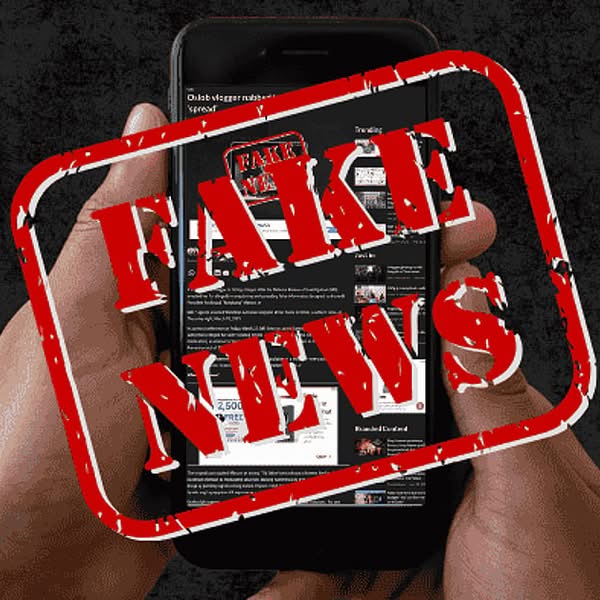
In a move to address the spread of misinformation, the Philippine National Police (PNP) has issued a strong reminder to social media users and content creators to exercise greater caution when posting material online.
The law enforcement agency emphasized the critical importance of fact-checking and verifying information before publishing content across social media platforms, highlighting growing concerns about the rapid proliferation of unverified or false information in the digital space.
“Information shared online can quickly reach thousands, even millions of people within hours. With this power comes responsibility,” said a PNP spokesperson during the announcement. “We urge all Filipino netizens, especially those with significant followings, to ensure the accuracy of their content before sharing it with their audiences.”
The reminder comes amid an increasing global focus on digital literacy and the fight against misinformation. The Philippines, with its high social media usage rates, has been particularly vulnerable to the spread of false information. According to recent studies, over 89 million Filipinos are active social media users, spending an average of four hours daily on various platforms.
Digital security experts have welcomed the PNP’s initiative. Dr. Maria Santos, a cybersecurity specialist at the University of the Philippines, noted that the reminder is timely given the current information landscape.
“Social media algorithms tend to amplify content that generates engagement, regardless of its accuracy,” Santos explained. “When content creators publish unverified information that later turns out to be false, the damage can be difficult to undo as corrections rarely receive the same level of visibility.”
The PNP’s statement also addressed the potential legal consequences of spreading false information. Under Philippine law, individuals can face charges related to cyberlibel and violations of the Cybercrime Prevention Act if they knowingly spread false information that damages reputations or causes public harm.
Content creators, who form a significant part of the Philippines’ growing digital economy, have expressed mixed reactions to the reminder. Some view it as a necessary step toward more responsible content creation, while others worry about potential implications for free speech.
“As creators, we need to balance creativity with responsibility,” said Marco Reyes, a Filipino YouTuber with over 500,000 subscribers. “But there’s also concern about how these guidelines might be implemented and whether they could be used to suppress legitimate criticism or satire.”
The Digital Creators Association of the Philippines issued a statement supporting the call for responsible content creation while emphasizing the need for clear guidelines that don’t inhibit creative expression or legitimate commentary.
Social media platforms operating in the Philippines, including Facebook, TikTok, and YouTube, have also been implementing their own measures to combat misinformation, including fact-checking partnerships, warning labels, and reduced distribution for content identified as potentially false.
Media literacy advocates suggest that the PNP’s reminder should be part of a broader national effort to enhance digital literacy across all demographic groups. They propose that educational institutions incorporate media verification skills into their curriculum from elementary school through university level.
“A society that can critically evaluate information is our best defense against misinformation,” said Professor Elena Mendoza, who leads a digital literacy program at Ateneo de Manila University. “Law enforcement reminders are helpful, but we need systematic education to create long-term solutions.”
The PNP has indicated that this reminder is part of a larger initiative to promote safer online spaces and encourage responsible digital citizenship among Filipinos. They plan to conduct webinars and information campaigns in partnership with educational institutions and civic organizations throughout the year.
As the digital landscape continues to evolve, the challenge of balancing free expression with responsibility remains at the forefront of discussions about internet governance in the Philippines and globally.
Fact Checker
Verify the accuracy of this article using The Disinformation Commission analysis and real-time sources.

11 Comments
I’m glad to see the PNP taking action on this. With the high social media usage in the Philippines, the spread of misinformation can have far-reaching consequences. Fact-checking should be a priority for all content creators.
This is an important reminder from the PNP. In the digital age, fact-checking and verifying information is crucial before sharing content online. We all have a responsibility to combat the spread of misinformation.
Agreed. With so many Filipinos active on social media, the potential for misinformation to quickly reach a wide audience is high. Vigilance and digital literacy are essential.
Interesting that the PNP is taking such a proactive stance on this issue. Content creators, especially those with large followings, need to be more careful about the information they share. Fact-checking should be standard practice.
Absolutely. The rapid proliferation of false information online is a serious concern that needs to be addressed. This is a positive step by the PNP to promote responsible social media usage.
While this may seem like a no-brainer, the reality is that many content creators prioritize engagement over accuracy. The PNP’s reminder is a much-needed wake-up call to take fact-checking more seriously.
The PNP’s stance on this issue is commendable. With the high social media usage in the Philippines, the potential for the spread of misinformation is significant. Fact-checking should be a standard practice for all content creators.
Agreed. The responsibility to combat the spread of false information online falls on all of us, not just the authorities. We must be diligent in verifying information before sharing it.
This is an important issue that deserves attention. As content creators, we have a duty to our audiences to ensure the accuracy and integrity of the information we share. Fact-checking is essential.
Absolutely. The power of social media to rapidly spread information, both true and false, is immense. Responsible content creation is crucial to combat the rise of misinformation.
This is a timely and important message from the PNP. In the digital age, the power of information can be a double-edged sword. Content creators must prioritize accuracy and fact-checking to ensure they are not contributing to the spread of misinformation.