


Listen to the article
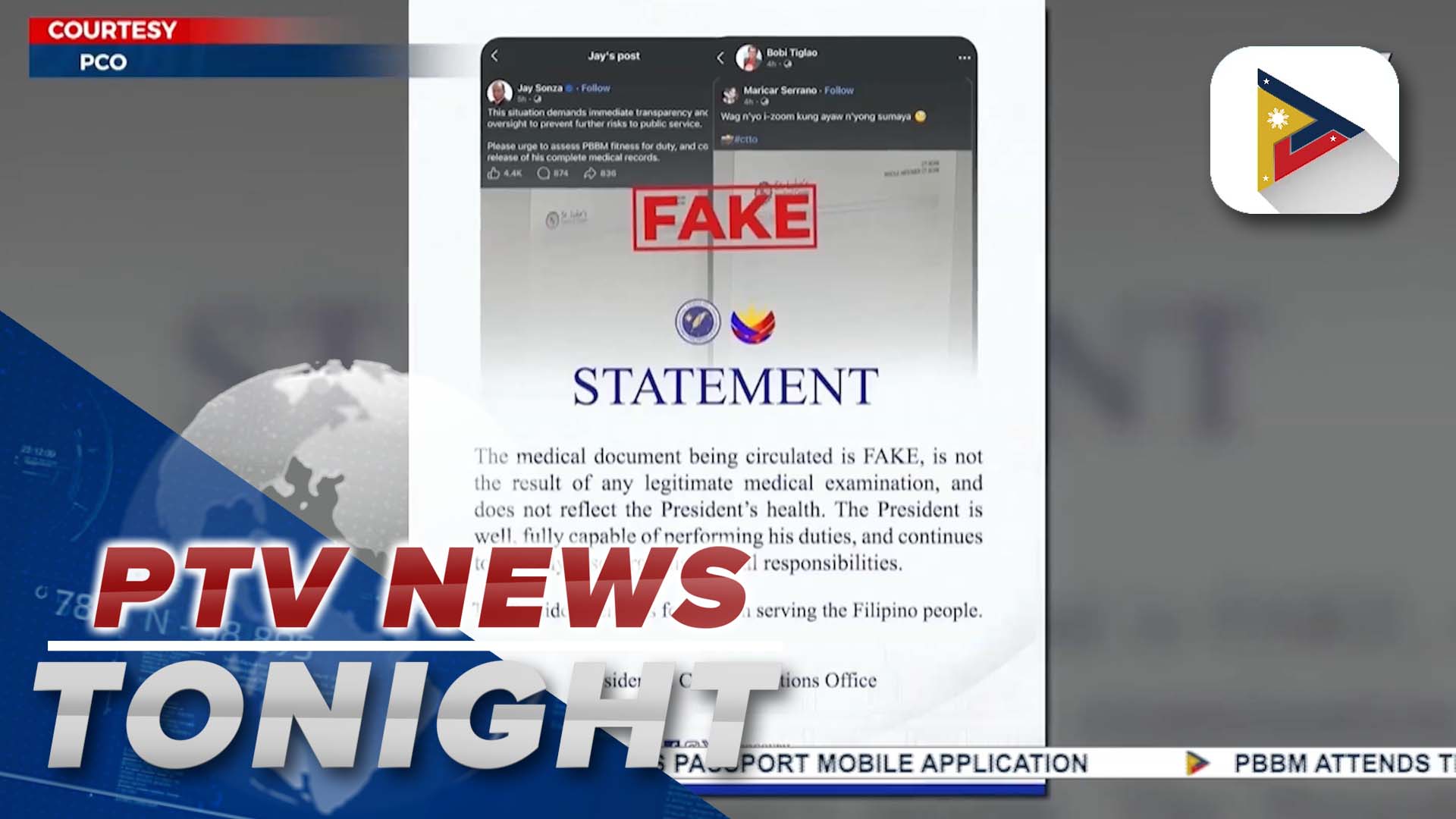
In a significant development regarding the spread of misinformation about the Philippine President, the Philippine National Police Anti-Cybercrime Group (PNP-ACG) has identified multiple individuals responsible for creating and distributing false information about President Ferdinand “Bongbong” Marcos Jr.’s health status.
According to officials, the PNP-ACG has tracked down several persons who originally posted fabricated claims about the President’s medical condition on social media platforms. The investigation comes amid a flurry of unverified reports that circulated widely across Philippine social networks in recent days.
Police authorities emphasized that those who initiated these posts could face serious legal consequences under the country’s cybercrime laws. In a surprising development, the PNP-ACG also indicated that individuals who merely shared or reposted the false information might likewise be subject to criminal charges, significantly widening the scope of potential liability.
The Philippines has been grappling with an increasing problem of online misinformation, particularly related to political figures. This case highlights the growing concern among Philippine authorities about the rapid spread of unverified claims on social media platforms, which can potentially destabilize public trust in government institutions.
Legal experts note that under the Cybercrime Prevention Act of 2012 (Republic Act No. 10175), individuals who spread false information that causes panic, chaos, or harm can be prosecuted. The law covers various online offenses, including computer-related forgery and fraudulent activities conducted through digital means.
The Presidential Communications Office has consistently urged the public to rely only on official channels for information about the President. In a statement released earlier this week, they categorically denied rumors about President Marcos’s health, calling them “malicious attempts to undermine public confidence in the administration.”
This crackdown comes at a time when the Marcos administration is dealing with various economic and political challenges, including inflation concerns and geopolitical tensions in the South China Sea. Political analysts suggest that false health rumors about leaders can potentially impact market confidence and diplomatic relations, making such misinformation particularly sensitive.
Social media platforms operating in the Philippines, including Facebook and Twitter (now X), have faced increasing pressure to better police misinformation on their platforms. Meta, Facebook’s parent company, has previously announced enhanced fact-checking partnerships in the Philippines but continues to face criticism for the spread of false information on its platforms.
Digital rights advocates, while acknowledging the problems caused by misinformation, have expressed concerns about the breadth of the potential charges, particularly against ordinary users who may have shared content without malicious intent. They caution that overly broad enforcement could have a chilling effect on legitimate online speech and criticism of government officials.
The Department of Justice has yet to provide specific details about the charges to be filed or the identities of those under investigation. However, officials have indicated that the cases are being treated with urgency given the sensitivity of matters involving the head of state.
Public information campaigns about media literacy and responsible social media use have been ramped up in recent years in the Philippines, but experts say more comprehensive approaches are needed to address the root causes of misinformation spread.
As the investigation continues, the PNP-ACG has advised the public to verify information before sharing and to report suspicious posts to the appropriate authorities rather than amplifying them through shares and reposts.
Fact Checker
Verify the accuracy of this article using The Disinformation Commission analysis and real-time sources.

7 Comments
The Philippines’ efforts to combat online misinformation are important, especially when it involves high-level political figures. Holding both originators and sharers of false claims legally responsible seems like a strong deterrent. Reliable information is essential for an informed public.
This is a concerning case of misinformation spreading about the President’s health. I’m glad the authorities are taking swift action to identify and hold accountable those responsible for the false claims. Sharing unverified information can have serious consequences.
Charging those who merely shared the false information is an interesting and potentially controversial move. While it may help curb the spread of misinformation, there could be concerns around free speech and unintended chilling effects. It will be worth monitoring how this plays out.
This case underscores the need for robust digital literacy education to help the public better discern fact from fiction online. In addition to legal action, proactive efforts to empower citizens to think critically about online content could be impactful.
It’s good to see the PNP-ACG cracking down on the individuals behind these fabricated health reports about the President. Spreading misinformation, even through sharing, should not be tolerated. Fact-checking is crucial, especially for sensitive political information.
I’m curious to learn more about the specific tactics and technologies the PNP-ACG used to identify the individuals behind these false health reports about the President. Their approach could provide valuable lessons for other countries grappling with misinformation online.
The Philippines’ efforts to combat political misinformation are commendable. Identifying and holding accountable both originators and sharers of false claims is an ambitious approach. It will be interesting to see if this strategy proves effective in curbing the spread of disinformation.