


Listen to the article
Philippine authorities have launched an investigation into a social media account accused of spreading damaging misinformation during the country’s ongoing energy challenges, officials announced Tuesday.
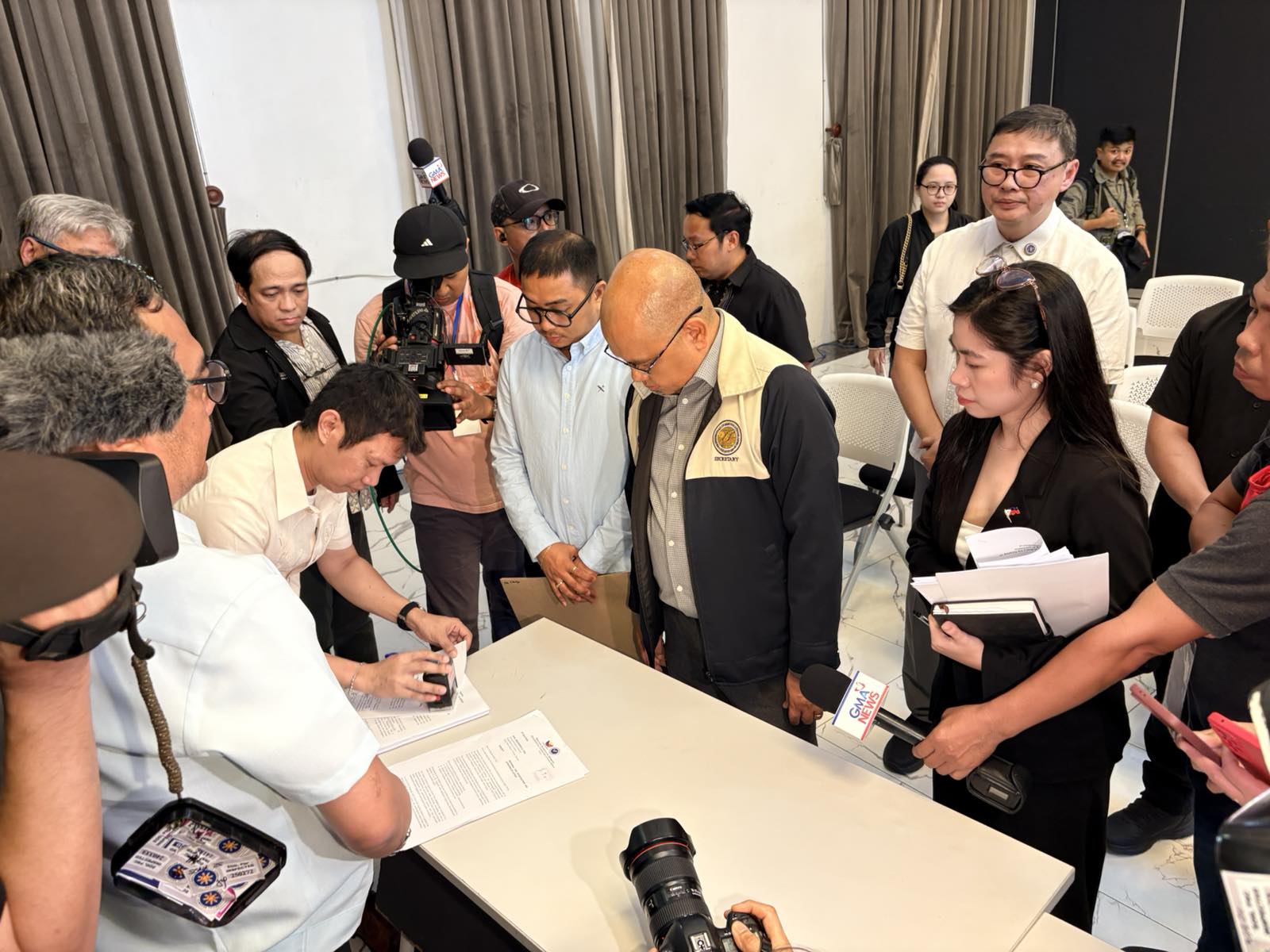
The Presidential Communications Office (PCO) formally requested the Department of Justice (DOJ) to file charges against those behind the Facebook page “Malasakit News Pilipinas,” which allegedly published fabricated content designed to create public panic and confusion.
Acting PCO Secretary Dave Gomez submitted a detailed report to justice officials outlining what he described as deliberate attempts to “undermine public welfare and safety” through false information circulating online.
“We are asking the Department of Justice to investigate at least three ‘fake news’ posts, determine the persons who fabricated them, and bring them to court on behalf of the Filipino people to answer for the harm they have caused the public,” Gomez said in his statement.
The investigation centers on three specific posts that authorities say were deliberately fabricated. The first promoted a nonexistent “energy lockdown” in what appears to be a scheme to manipulate consumers into purchasing solar panels. The second falsely claimed a nationwide fuel shortage, potentially triggering panic buying of gasoline, diesel, and liquefied petroleum gas (LPG). The third invented an “emergency lockdown” supposedly connected to a fictional COVID-19 variant called “Cicada.”
Legal experts note that under Article 154 of the Philippines’ Revised Penal Code, publishing false news can result in imprisonment of up to six months. Gomez emphasized that because these offenses were committed online, penalties could be enhanced under the country’s Cybercrime Prevention Act, which typically increases punishments for traditional crimes committed through digital means.
The case highlights growing concerns about energy security in the Philippines, where power supply challenges have become increasingly politicized. Energy industry analysts point out that the Philippines has faced periodic electricity shortages in recent years, particularly during peak demand seasons, making the public potentially more susceptible to misinformation on the topic.
The PCO’s Anti-Fake News Desk initially identified the misleading content as part of its ongoing monitoring efforts. This specialized unit was established to combat the rising tide of disinformation in Philippine social media spaces, where Facebook remains the dominant platform for news consumption among the country’s 115 million citizens.
“Any attempt to mislead the public about energy security, supply, or pricing to sow confusion will be treated as a serious offense,” Gomez warned. “We will not let you get away with a crime. We will go after you and hold you to account.”
This case comes amid broader regional concerns about digital disinformation. Several Southeast Asian nations have implemented or proposed legislation targeting fake news in recent years, though critics have raised concerns about potential impacts on free speech and press freedom.
The PCO indicated it is strengthening its monitoring capabilities across social media platforms and other digital information channels to better detect and counter what it terms “deliberate disinformation campaigns.” Officials are particularly focused on energy-related misinformation given its potential economic impact during a period of global energy volatility.
“Our ultimate obligation is to safeguard the stability of energy supply, protect consumers, and uphold the public’s right to true and accurate information,” Gomez concluded.
The DOJ has not yet announced a timeline for its investigation or potential charges.
Fact Checker
Verify the accuracy of this article using The Disinformation Commission analysis and real-time sources.

11 Comments
The fabrication of content designed to manipulate consumers is a despicable act. I commend the government for taking swift action to address this issue and protect the wellbeing of the Filipino people.
This is a troubling situation that highlights the need for vigilance against the spread of misinformation, especially when it concerns critical public issues like energy supply. I’m glad to see the government taking decisive action.
Intentionally spreading false information to create public panic and confusion is a serious matter. I’m glad the Philippine government is investigating this and pursuing legal action against the perpetrators.
Spreading misinformation during an energy crisis can have devastating consequences. I hope the authorities are able to identify the individuals behind this and bring them to justice.
This is a concerning example of the real-world harm that can be caused by the proliferation of disinformation. I hope the DOJ’s investigation leads to meaningful accountability for those behind these malicious activities.
It’s crucial that the public can trust the information they receive, especially during challenging times like these. I applaud the Philippine government for taking steps to crack down on the deliberate spread of false content.
This is a concerning issue of disinformation spreading during a critical time for the country’s energy supply. It’s important the authorities take action to hold those responsible accountable and prevent further harm to the public.
Undermining public welfare and safety through false information is completely unacceptable. The DOJ needs to thoroughly investigate this and ensure those responsible are held accountable to the fullest extent of the law.
Spreading disinformation during an energy crisis is particularly egregious. I hope the authorities are able to identify the perpetrators and put an end to these malicious activities.
Spreading misinformation that could manipulate consumer behavior and undermine public welfare is a despicable act. I’m glad to see the authorities taking this matter seriously and pursuing legal action.
Fabricating content to cause public panic and confusion is a serious abuse of power. I hope the DOJ’s investigation leads to swift and appropriate consequences for those responsible.