


Listen to the article
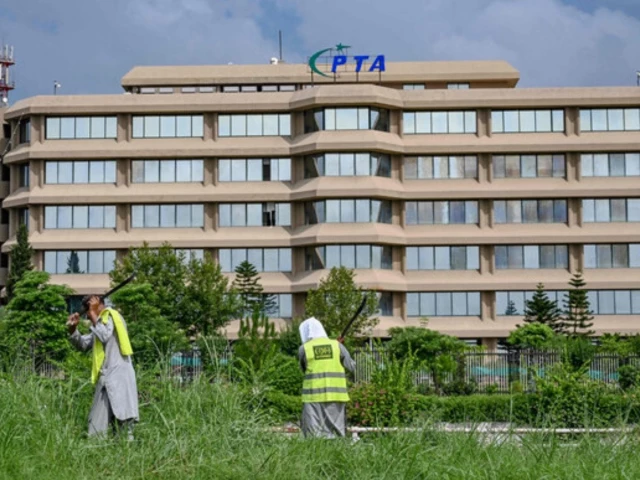
In a precautionary move amid escalating regional tensions, the Pakistan Telecommunication Authority (PTA) issued a public advisory Saturday urging citizens to exercise responsibility when using social media and digital platforms.
The advisory comes at a particularly sensitive time as Pakistani security forces conduct “Operation Ghazab Lil Haq,” involving coordinated air and ground strikes against Afghan Taliban positions across multiple locations in Afghanistan, including Kabul, Kandahar, Paktia, and Nangarhar. Pakistani officials described the operation as a response to unprovoked cross-border aggression.
“All citizens are advised not to share, disseminate, forward, or upload any unverified, inflammatory or misleading information that could directly or indirectly harm national interests, public order or state institutions,” the PTA stated in its advisory posted on social media platform X.
The telecommunication regulator emphasized the importance of relying solely on authentic information from official sources and cautioned against spreading unverified rumors. The statement clearly warned that sharing fake news or false information could result in legal action under applicable laws.
The advisory coincides with what Pakistani authorities describe as a coordinated disinformation campaign. Afghan Taliban officials and certain Indian media outlets circulated reports claiming Afghan forces had shot down a Pakistani fighter jet in Nangarhar province and captured its pilot – assertions Pakistan has categorically rejected.
Pakistan’s Information Ministry quickly moved to counter these claims, stating that all Pakistan Air Force aircraft remain accounted for with no losses reported and all pilots safe. The Ministry pointed out that no independent international media outlets, defense monitoring agencies, or satellite intelligence sources had verified the alleged incident.
“There is no visual proof of crash debris, wreckage site or captured pilot,” the Information Ministry stated, highlighting that modern conflict environments typically produce rapid documentation of verified aircraft crashes – evidence notably absent in this case.
The Ministry further revealed that videos circulating on social media purporting to show the incident were actually old or entirely unrelated footage. Some viral content allegedly showed panic situations in Afghanistan but had been repurposed to support the false narrative.
In one specific example, the Ministry identified an image shared by Afghan news outlet TOLO News as misleading. The photo, purportedly of a downed Pakistani aircraft, was actually from an unrelated Russian aircraft incident in Turkey from 2021.
“The reuse of unrelated foreign crash imagery represents a deliberate attempt to construct a false narrative,” the Ministry stated, adding that hundreds of fake or misleading videos linked to what it termed an “India-Afghan propaganda ecosystem” had been debunked over the previous two days.
The PTA’s advisory reflects growing concerns about the impact of social media misinformation during military operations and national security situations. Digital platforms can rapidly amplify unverified claims, potentially affecting public morale and security operations.
The telecommunication authority called on Pakistani citizens to demonstrate caution, maturity, and a strong sense of national responsibility to help maintain stability and public confidence during the current circumstances.
This incident highlights the increasingly complex information environment surrounding regional conflicts, where digital misinformation can become a significant factor alongside physical military operations.
Fact Checker
Verify the accuracy of this article using The Disinformation Commission analysis and real-time sources.

8 Comments
Kudos to the PTA for taking a firm stance against the spread of misinformation during this crisis. Maintaining public order and preserving national interests should be the top priority. I hope citizens heed the warning and refrain from sharing unverified content.
In times of crisis, it’s crucial for authorities to provide clear guidance and ensure the flow of accurate information. The PTA’s caution against misinformation is a sensible step to maintain public order and safeguard national interests. Spreading unverified claims can have serious consequences.
It’s important for governments to take proactive steps to combat the spread of false information, especially during times of heightened security concerns. This advisory by the PTA seems prudent and necessary to maintain public trust and stability.
I agree. In the digital age, the speed at which misinformation can spread is alarming. Strict enforcement of laws against sharing fake news is crucial to prevent it from causing real harm.
This is a wise move by the Pakistan Telecom Authority to caution against misinformation during a sensitive national crisis. Spreading unverified claims could inflame tensions and undermine public order. Citizens must be vigilant about relying only on official, credible sources.
The PTA’s warning against sharing unverified information is a reasonable and necessary response to the current security situation. Misinformation can be extremely damaging, so it’s vital that citizens heed this advisory and rely only on official, credible sources. Upholding public trust should be the top priority.
This advisory from the PTA is a prudent measure to ensure public safety and stability during a volatile period. Strict enforcement of laws against fake news dissemination is essential to prevent further escalation of tensions. Citizens must be vigilant and responsible in their social media usage.
Misinformation can be incredibly damaging, particularly when it involves sensitive national security issues. The PTA is right to urge citizens to be responsible and rely only on verified information from official sources. Spreading unsubstantiated rumors is irresponsible and dangerous.