


Listen to the article
Pakistan Launches Social Media Regulatory Authority to Combat Misinformation
The Pakistani government has officially established the Social Media Protection and Regulatory Authority (SMPRA), a significant move to regulate online content across the country. The authority, created under the Prevention of Electronic Crimes (Amendment) Act, 2025, was activated through a formal notification issued by the Ministry of Interior.
Senior lawyer Ayyaz Shaukat has been appointed as the inaugural chairman of SMPRA for a five-year term. Shaukat, who currently serves as the Advocate General of Islamabad, is expected to assume his new role after the upcoming Eid holidays. The government has emphasized that his appointment aligns with the stipulated five-year term outlined in the Act.
The notification also confirmed the appointment of five members to the authority, all serving five-year terms. The appointees include prominent journalists and media professionals Sohail Iqbal Bhatti, Adnan Khan, Muhammad Salman Zafar, Fahad Malik, and Saad Ali. This diverse membership appears designed to bring varied expertise to the regulatory body.
According to its mandate, SMPRA will have substantial powers to combat what it considers false or misleading information circulating on social media platforms. Citizens who believe they have been affected by harmful content can file direct complaints with the authority, which must respond with decisions within 24 hours of receiving reports.
Perhaps most notably, the authority has been granted the power to block content deemed harmful or misleading, representing a significant expansion of the government’s regulatory reach into digital spaces across Pakistan.
The establishment of SMPRA comes amid growing global concerns about the spread of misinformation online and follows similar regulatory frameworks established in various countries. However, digital rights activists in Pakistan have expressed concerns about potential overreach and the implications for free speech.
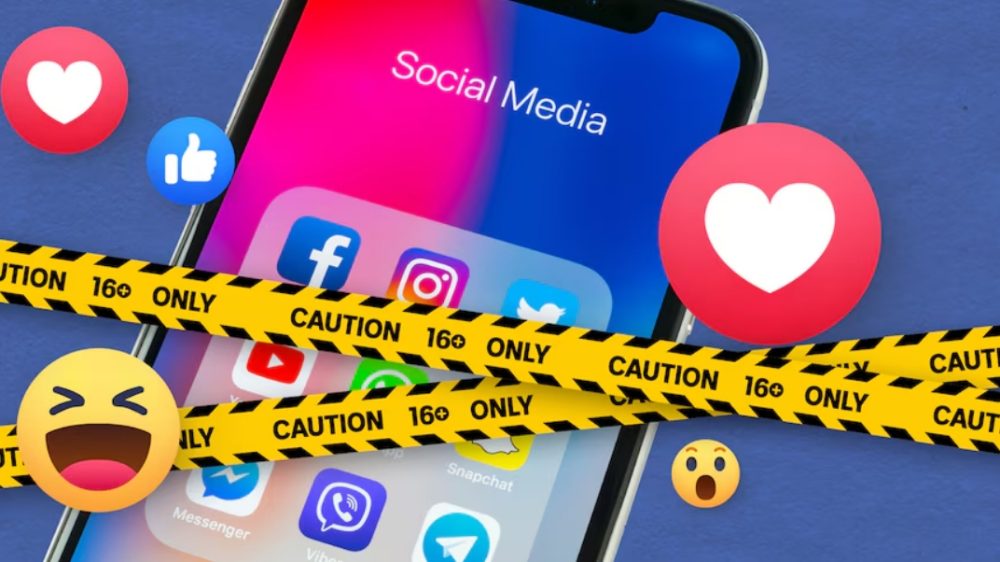
Pakistan’s digital landscape has expanded rapidly in recent years, with internet penetration reaching approximately 36% of the population according to recent data. Social media platforms like Facebook, Twitter (now X), YouTube, and TikTok have become increasingly influential in shaping public discourse in the country.
This is not Pakistan’s first attempt to regulate online content. The country has previously blocked access to various social media platforms and websites, citing concerns ranging from blasphemous content to national security. In 2021, TikTok was temporarily banned multiple times over concerns about “immoral” content.
The Prevention of Electronic Crimes Act, originally passed in 2016 and now amended to establish SMPRA, has been criticized by some international organizations for its broad definitions and potential to curtail digital freedoms.
Industry analysts suggest the formation of SMPRA reflects a growing trend among governments worldwide to assert greater control over digital platforms that have traditionally operated with limited oversight. Social media companies operating in Pakistan will now face increased scrutiny and potential compliance requirements under the new regulatory framework.
As Chairman Shaukat prepares to take office, the effectiveness and implementation of SMPRA’s mandate will be closely watched by stakeholders across the digital ecosystem, including technology companies, civil society organizations, and international observers concerned with online freedoms.
The authority is expected to release more detailed operational guidelines in the coming weeks, which should clarify complaint procedures, content evaluation criteria, and enforcement mechanisms.
Fact Checker
Verify the accuracy of this article using The Disinformation Commission analysis and real-time sources.

8 Comments
This is certainly a topic worth following closely. The establishment of a dedicated social media regulatory authority in Pakistan is a significant development, and it will be interesting to see how it navigates the challenges of content moderation and misinformation.
This is a timely move by Pakistan, as misinformation on social media has become a growing concern worldwide. The success of this new authority will depend on how effectively it can differentiate between legitimate criticism/debate and verifiable falsehoods.
Combating misinformation is a global challenge, so it will be informative to observe how Pakistan’s new regulatory framework evolves. Striking the right balance between protecting free speech and curbing harmful falsehoods is no easy task.
The appointment of seasoned media professionals to this regulatory body is a positive sign, as their expertise could help shape nuanced policies. However, the true test will be in the authority’s ability to remain impartial and resist political influence.
The composition of this new regulatory body, with journalists and media professionals involved, is an interesting approach. Their diverse expertise could help inform a nuanced approach. However, concerns remain about potential overreach or political influence in content moderation decisions.
Absolutely, the independence and transparency of this authority will be crucial. Oversight and accountability measures will be important to monitor any potential abuse of power.
This seems like a complex and challenging issue. Regulating social media content to combat misinformation is a double-edged sword – it requires carefully balancing free speech rights with the need to address harmful falsehoods. I’m curious to see how this new authority in Pakistan navigates that balance.
Regulating social media content is a complex and delicate issue. Pakistan’s new approach to address misinformation is an interesting experiment, but it will require robust safeguards to protect freedom of expression while also curbing the spread of harmful falsehoods.