


Listen to the article
TikTok Under Global Scrutiny as Concerns Over Misinformation and Youth Safety Mount
Global authorities are intensifying their scrutiny of TikTok amid growing concerns about the platform’s impact on information integrity, national security, and youth mental health. The social media giant, which boasts 1.5 billion active users worldwide including 15 million monthly users in France, faces increasing regulatory pressure across multiple continents.
In France, the National Assembly is set to examine the creation of a board of inquiry focused on TikTok’s psychological effects on minors, particularly regarding risks of suicidal behavior. This investigation comes as research reveals that half of French children aged 11-12 already have TikTok accounts despite the platform’s minimum age requirement of 13.
“TikTok amplifies false information more than its competitors, even those that spread false information six times faster than true information,” according to research from the Integrity Institute. Multiple studies have confirmed this troubling trend, with one analysis finding that 20% to 32% of videos about COVID-19 shared on the platform contained false or misleading information.
Unlike traditional media outlets that employ fact-checking tools and source verification, TikTok’s algorithm prioritizes user engagement without regard for content reliability. The platform’s design elements—short-form videos typically lasting 15-60 seconds and endless scrolling features—discourage critical analysis while promoting passive consumption.
Security experts have raised alarms about “computational propaganda” on the platform, where algorithms, automation, and anonymity combine to manipulate public opinion. In May 2024, NGO Global Witness demonstrated TikTok’s inability to detect advertisements containing false information during election campaigns, despite recent moderation improvements.
The platform’s particular appeal to younger generations has sparked widespread concern. According to Statista, 69% of French adults under 30 regularly use TikTok. Simultaneously, an Ifop study revealed that 69% of 18-24 year olds believe at least one scientific falsehood, highlighting critical challenges in information literacy.
TikTok has also been linked to dangerous viral challenges that directly endanger young users, including the notorious “Blackout Challenge,” which involves holding one’s breath until passing out, and the “Skullbreaker Challenge,” which has caused serious injuries.
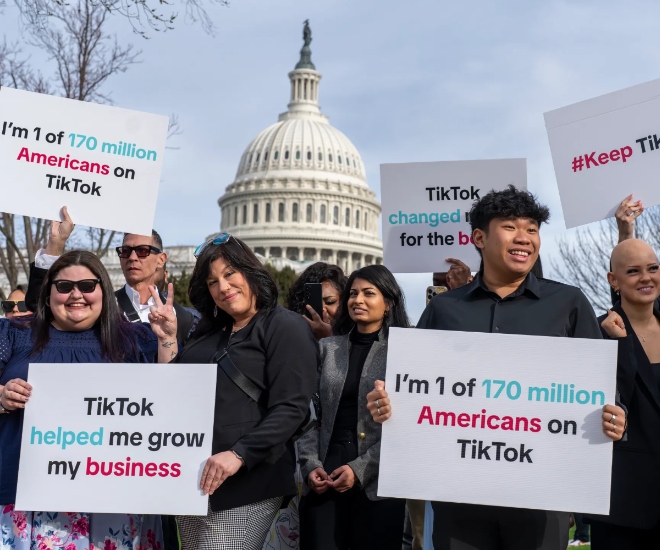
In response to these concerns, numerous countries have implemented restrictions or outright bans. The United States banned TikTok in January 2025, citing risks that user data could be accessed by Chinese authorities. India took similar measures in 2020 amid border tensions with China. Afghanistan, Pakistan, Nepal, Jordan, and Somalia have also blocked the app for reasons ranging from inappropriate content to links with terrorism.
Albania became the first European country to completely block TikTok in 2024, accusing it of encouraging harassment among young people. Meanwhile, France has banned “recreational” applications, including TikTok, on civil servants’ professional devices, citing national security concerns.
The European Commission has instituted formal proceedings against TikTok under the Digital Services Act (DSA), which imposes greater transparency obligations on online platforms. Potential penalties could reach up to 6% of the company’s annual worldwide sales for non-compliance.
As authorities grapple with these issues, the European Union faces the challenge of balancing user protection—particularly for young people—with digital freedoms. While a total ban on TikTok in Europe would represent an extreme measure requiring complex political decision-making, regulatory pressure continues to mount as evidence of the platform’s harmful effects accumulates.
Fact Checker
Verify the accuracy of this article using The Disinformation Commission analysis and real-time sources.

9 Comments
This is a complex issue without easy solutions. On one hand, TikTok gives youth a voice and creative outlet. But the platform’s recommendation algorithms could be fueling the spread of harmful misinformation. Finding the right balance is crucial.
Agreed, it’s a delicate balance. TikTok provides value, but the misinformation risks are concerning, especially for impressionable youth. Proactive measures by regulators and the platform itself will be important.
I’m not surprised to hear about TikTok’s misinformation issues. Social media algorithms tend to amplify sensational or controversial content, which can lead to the rapid spread of false claims. Stronger content moderation and digital literacy education are needed.
This is an important issue that deserves careful consideration. Social media’s influence on youth is a complex challenge without easy answers. Regulators, platforms, and the public will need to work together to address the spread of misinformation.
While TikTok provides an engaging way for young people to discover new content, the risks of exposure to misinformation are real. Regulators should work closely with the platform to implement robust safeguards and fact-checking measures.
The spread of misinformation on social media is a serious concern that warrants further investigation and action. TikTok’s impact on youth mental health and information integrity deserves close scrutiny by authorities.
Absolutely. Protecting young people from harmful content and misinformation online should be a top priority. Effective regulation and content moderation will be key to addressing these issues on TikTok and other platforms.
This is concerning if TikTok is indeed spreading more misinformation than other platforms. Verifying the accuracy and sources of online content, especially for impressionable youth, is crucial to protect public health and safety.
TikTok’s rapid growth has brought both benefits and risks. While the platform empowers creativity, the amplification of misinformation is deeply troubling. Policymakers must work with tech companies to find solutions that safeguard youth and public discourse.