


Listen to the article
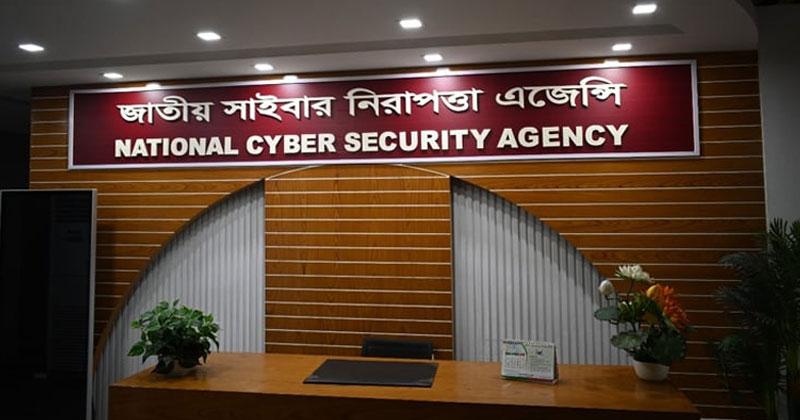
In a significant move to safeguard the integrity of the upcoming national elections, Bangladesh’s National Cyber Security Agency (NCSA) has established a specialized monitoring cell dedicated to combating the spread of misinformation and propaganda across digital platforms.
The newly formed unit will conduct round-the-clock surveillance of online and social media channels to identify, verify, and counter fake information, misleading content, and rumors that could potentially disrupt the electoral process or inflame tensions during this critical period.
According to a press release issued by the agency, this initiative represents a coordinated effort involving multiple government institutions. The NCSA will work in close collaboration with the Chief Adviser’s Press Wing, Press Institute Bangladesh (PIB), Bangladesh Sangbad Sangstha (BSS), Bangladesh Telecommunication Regulatory Commission (BTRC), and various law enforcement agencies to ensure a comprehensive approach to information verification.
The establishment of this special cell comes amid growing concerns about the role of digital misinformation in electoral processes globally. In recent years, numerous countries have witnessed coordinated disinformation campaigns aimed at influencing voter behavior or undermining confidence in democratic institutions.
The NCSA has issued a public appeal for citizen vigilance, urging people to verify the source and authenticity of any information before sharing it on social media platforms. The agency emphasized the collective responsibility of maintaining a secure cyberspace, particularly during the sensitive pre-election period when the potential for information manipulation typically increases.
“It is the responsibility of all to keep the country’s cyberspace safe,” stated the NCSA release, which also requested public cooperation in refraining from spreading false information, manipulated photos, or deceptive videos. The agency further encouraged citizens to help raise awareness about potential traps set by what it described as “anti-state quarters.”
To facilitate quick public reporting of suspicious content, the NCSA has established a 24/7 helpline service alongside four specialized email channels for different categories of digital threats. These dedicated reporting pathways cover online gambling (report_betting@ncsa.gov.bd), misinformation and rumors (report_misinfo@ncsa.gov.bd), harassment and harmful content (report_harassment@ncsa.gov.bd), and cyber attacks targeting Critical Information Infrastructure institutions (report_cii@ncsa.gov.bd).
Digital security experts note that this approach of combining institutional monitoring with public participation represents an evolving strategy for combating election-related misinformation. Similar models have been implemented in various democratic nations, with mixed results depending on implementation specifics and public engagement levels.
The timing of this initiative is particularly significant as Bangladesh prepares for national elections that will shape the country’s political landscape for the coming years. Electoral periods typically see heightened activity across social media platforms, with both domestic and, occasionally, foreign actors attempting to influence public opinion through various information tactics.
The NCSA’s statement emphasized that successful implementation of these protective measures will require active citizen participation, highlighting the agency’s desire for broad cooperation “so that they can play a role in using the country’s digital space safely and responsibly.”
Cybersecurity analysts point out that while such monitoring initiatives are essential for protecting electoral integrity, their effectiveness ultimately depends on striking the right balance between security concerns and free speech principles—a delicate equilibrium that democratic societies continue to navigate in the digital age.
The initiative represents Bangladesh’s growing recognition of cybersecurity as a critical component of national security and democratic integrity in an increasingly connected world.
Fact Checker
Verify the accuracy of this article using The Disinformation Commission analysis and real-time sources.

9 Comments
This is an important step to combat the spread of misinformation and protect the integrity of elections. Vigilant monitoring of online content and coordinating with relevant agencies is crucial to counter fake news and propaganda.
Agreed. Proactive measures to verify information and respond quickly to false narratives are essential in the digital age.
This is a welcome development, but the real test will be in the execution. Rigorous fact-checking and timely responses will be essential to effectively counter the spread of fake news.
Exactly. Proactive monitoring and a rapid response capability will be key to the success of this initiative.
Establishing a specialized unit to focus on this issue is a smart move. Misinformation can have serious consequences, so I’m glad to see the government taking it seriously.
Absolutely. Robust fact-checking and public awareness campaigns will be key to this effort.
While the intentions are good, I hope this new unit doesn’t overstep its bounds or become a tool for censorship. Transparency and accountability will be crucial.
That’s a fair concern. Striking the right balance between combating misinformation and preserving free speech will be a delicate challenge.
Coordinating across different government agencies is a wise approach. Tackling the complex issue of online misinformation requires a comprehensive, collaborative strategy.