


Listen to the article
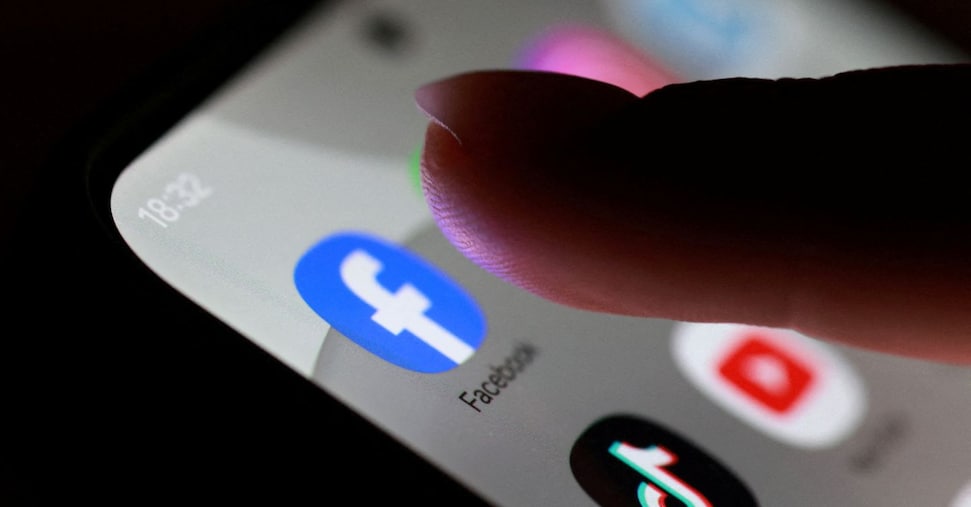
In a digital age where social media connections often stretch the definition of “friendship,” a unique American tradition is gaining global attention. November 17 marks National UnFriend Day, an annual observance dedicated to decluttering social media contact lists, particularly on Facebook.
The movement began in 2010 when popular late-night television host Jimmy Kimmel introduced the concept during his ABC show. Kimmel challenged the notion that people could genuinely maintain thousands of online friendships. “I see people who say they have thousands of friends, it’s impossible,” Kimmel remarked during the segment that launched the initiative.
Kimmel proposed a simple litmus test for determining genuine connections: “If you really want to know who is your friend, write on Facebook that you have to move house at the weekend and need help. The ones who will reply are your friends, the others are not.”
Following Kimmel’s lead, social media experts and bloggers developed criteria to help users decide which connections to cut. Common suggestions include removing friends who post excessively, those with poor grammar skills, and individuals who overwhelm feeds with mundane updates about weather, politics, their children, or workout routines.
Many users can relate to the experience of scrolling through a Facebook timeline and encountering unfamiliar names and faces, wondering how these connections were established in the first place. These might include long-forgotten acquaintances added during Facebook’s early days, when the platform primarily served as a tool for reconnecting with former classmates – a callback to Mark Zuckerberg’s original vision when he created the network for Harvard students.
National UnFriend Day provides a structured opportunity to evaluate these digital connections without guilt or social consequences. It encourages users to reflect on the quality of their online relationships rather than the quantity.
While the observance began in the United States, it has gradually spread to other countries, including the United Kingdom and New Zealand, as social media users worldwide recognize the value of curating more meaningful online spaces.
Beyond simply eliminating unwanted connections, the day invites reflection on our broader relationship with technology. Many participants use it as an opportunity to consider how social media impacts their daily lives, particularly the constant stream of notifications competing for attention throughout the day. Some even extend the practice into a full “digital detox,” temporarily stepping away from all social platforms.
The landscape of social media has evolved dramatically since Kimmel first proposed UnFriend Day. In 2010, Facebook was still establishing itself as the dominant social platform. Today, if Kimmel were launching the same initiative, he would likely include references to Instagram and TikTok alongside Facebook, acknowledging how digital connections have multiplied across various platforms.
This evolution underscores how dramatically online social interaction has transformed in just over a decade. When Facebook debuted in 2004 in America (reaching Italy in 2008), it represented a revolutionary approach to online communication. Today, it’s just one of many channels through which people maintain increasingly complex digital social networks.
As social media continues to shape how people connect, National UnFriend Day offers a valuable reminder that online relationships, like their offline counterparts, benefit from occasional reevaluation and intentional maintenance – a practice that might bring greater meaning to our digital interactions throughout the year.
Fact Checker
Verify the accuracy of this article using The Disinformation Commission analysis and real-time sources.

9 Comments
Overall, I think National UnFriend Day is a thought-provoking initiative that encourages us to be more intentional about our social media relationships. It’s a good reminder to periodically evaluate our online connections and make sure they still serve a purpose.
While I understand the desire to declutter social media, I’m curious about the criteria for determining ‘fake’ or ‘useless’ connections. It seems like a subjective judgment call in many cases.
That’s a fair point. Defining what constitutes a ‘fake’ or ‘useless’ connection could be tricky and vary from person to person.
Removing connections who post excessively or have poor grammar seems reasonable, but I wonder if that could lead to unfairly excluding some people. Social media etiquette norms can differ across demographics.
That’s a good observation. We should be careful not to judge people too harshly based on superficial factors like grammar or posting frequency, as those don’t necessarily reflect the value of the connection.
I find the concept of National UnFriend Day an interesting way to declutter our social media connections. Maintaining genuine friendships online can be challenging, so this initiative encourages us to be more selective about who we keep in our networks.
That’s a good point. Having too many ‘friends’ on social media can make it difficult to keep up with the people we truly care about.
The idea of using a ‘move house’ test to identify real friends on Facebook is clever. It’s a simple way to separate the people who would genuinely help from those who are just passive connections.
Agreed, that’s a smart litmus test. It’s a good way to separate the casual acquaintances from the people who would actually show up to lend a hand.