


Listen to the article
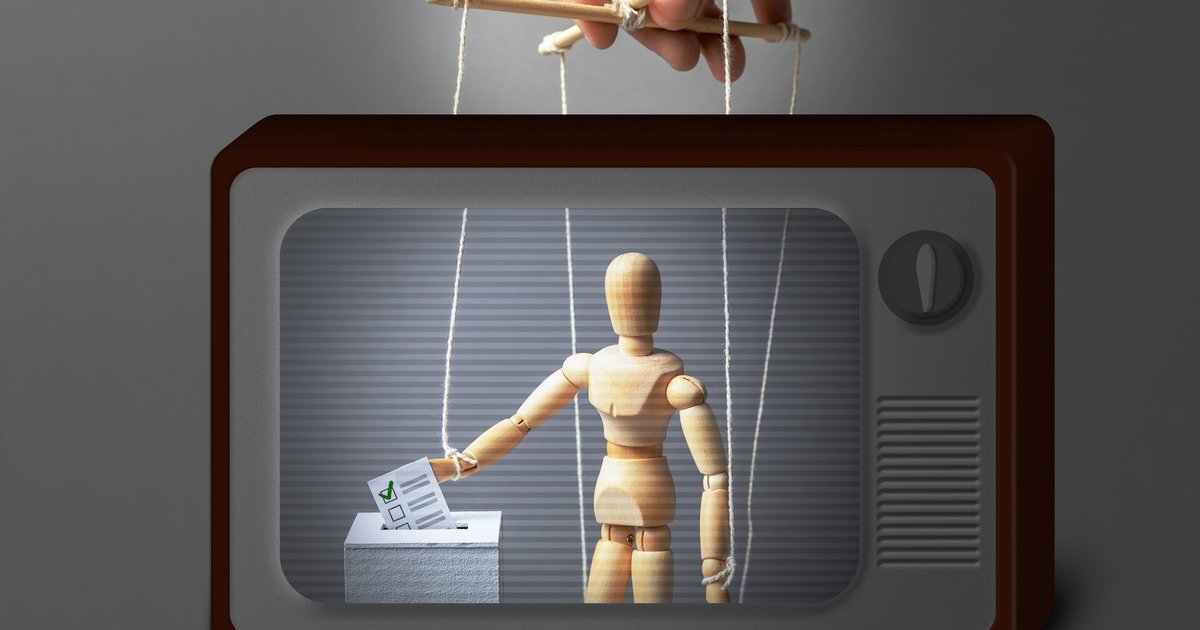
In an era where digital information flows freely, the relationship between misinformation and democratic systems has emerged as a critical concern for societies worldwide. Recent research reveals that political structures themselves may be driving the demand for false information, creating what experts describe as a dangerous feedback loop that threatens democratic stability.
The proliferation of fake news isn’t merely a technological problem but increasingly appears to be rooted in the very design of political systems. Democratic societies, which rely on informed citizenry to function effectively, paradoxically create conditions where misinformation can thrive through partisan competition and the quest for electoral advantage.
“What we’re seeing isn’t simply about technology platforms failing to moderate content,” explains Dr. Sarah Mendelson, a political scientist specializing in information ecosystems. “It’s about how political incentives within democracies sometimes reward the spread of misleading narratives.”
Research conducted across multiple democratic countries indicates that polarized political environments create fertile ground for misinformation. When citizens strongly identify with political tribes, they become more susceptible to believing false information that confirms existing beliefs or casts political opponents in a negative light. This phenomenon transcends education levels and media literacy, suggesting structural rather than individual factors at play.
The economic dimension of this problem cannot be overlooked. Political misinformation drives engagement, clicks, and revenue for media organizations and technology platforms. This creates a marketplace where truth and accuracy often take a back seat to emotional resonance and partisan appeal.
“There’s a reason why inflammatory content spreads faster than nuanced reporting,” notes technology ethicist Marcus Williams. “Digital platforms are designed to maximize engagement, and unfortunately, misinformation is often more engaging than truth.”
Elections represent particularly vulnerable periods when the demand for misleading content spikes. Campaign strategists understand that emotionally charged narratives, even if factually questionable, can motivate base voters and suppress turnout among opponents. This tactical approach to information warfare has become increasingly sophisticated in recent electoral cycles.
The international dimension adds another layer of complexity. Foreign actors have identified misinformation as a cost-effective method to influence democratic processes abroad. These efforts exploit existing social divisions and amplify domestic misinformation ecosystems rather than creating entirely new narratives.
Democratic societies face a particular challenge: balancing the free flow of information that democracy requires with safeguards against deliberately false content. Heavy-handed content moderation risks infringing on free expression, while a completely unregulated information environment leaves citizens vulnerable to manipulation.
“It’s the central paradox of information in democracies,” says media scholar Rebecca Chen. “These systems require free information flow to function, yet that very openness creates vulnerabilities that can be exploited.”
Promising solutions are emerging that address both the supply and demand sides of the problem. Independent fact-checking organizations have expanded their reach, while digital literacy programs aim to help citizens better evaluate information quality. Some governments are exploring regulatory frameworks that increase transparency without restricting speech.
Meanwhile, technology platforms face growing pressure to redesign recommendation algorithms that currently amplify divisive content. Companies like Meta and Twitter have implemented various measures with mixed results, highlighting the technical complexity of addressing systemic information problems.
Researchers emphasize that addressing misinformation requires understanding it as a political problem, not merely a technological one. Solutions must consider the incentives that drive political actors to create and amplify misleading content.
“Until we address the political rewards for spreading misinformation, technological fixes will have limited impact,” warns political scientist James Hardin. “Democratic systems need to evolve to create stronger incentives for truth-telling.”
As societies grapple with these challenges, the stakes could not be higher. Functioning democracies depend on shared facts and trusted information sources. Finding the balance between information freedom and accuracy remains one of the defining challenges for democratic governance in the digital age.
Fact Checker
Verify the accuracy of this article using The Disinformation Commission analysis and real-time sources.

16 Comments
This highlights the importance of media literacy and critical thinking skills for citizens in a democracy. We need to be vigilant about verifying information sources and not falling victim to confirmation bias.
Agreed. Strengthening democratic institutions and fostering a healthier information ecosystem should be priorities to combat the rise of misinformation.
The insights from this research are sobering. It’s clear that misinformation is not just a technical problem, but one rooted in the very structures of our political systems. This will require holistic, multi-faceted solutions.
Absolutely. Policymakers, tech companies, civil society, and citizens all have a role to play in developing effective responses to this complex challenge.
The findings in this research resonate with broader trends I’ve observed in the mining and commodities sectors, where misinformation and polarized narratives can impact investment decisions and policy outcomes. Addressing these challenges is crucial.
That’s an insightful observation. Misinformation in specialized domains like mining and energy can have real-world consequences, underscoring the need for rigorous, fact-based discourse in these areas as well.
Partisan competition can certainly create incentives to spread misleading narratives, but I wonder if there are also economic factors at play, like the monetization of outrage and sensationalism online.
Good point. The business models of some digital platforms may exacerbate the problem by rewarding content that drives engagement, even if it’s factually dubious.
While the findings are concerning, I’m encouraged to see researchers delving into the deeper structural drivers of misinformation. A nuanced, evidence-based approach is essential to address this threat to democratic norms.
Agreed. Rigorous, non-partisan research is key to developing solutions that uphold democratic values while mitigating the harms of misinformation.
This is a concerning trend that underscores the fragility of democratic systems in the digital age. Policymakers will need to tread carefully to address misinformation without infringing on free speech.
Agreed. Balancing freedom of expression with the need for truthful information is a delicate challenge, but one that must be grappled with to safeguard the integrity of democratic processes.
Interesting perspective on how political systems can inadvertently incentivize the spread of misinformation. It’s a complex issue without easy solutions, but raising awareness is an important first step.
You’re right, it’s a concerning trend that requires nuanced policy responses to address the root causes rather than just symptom management.
This is a fascinating and concerning dynamic. It underscores the need for political reforms and media literacy initiatives to create a healthier information ecosystem that supports democratic decision-making.
Well said. Tackling the root causes of misinformation will require a multifaceted approach, with collaboration across stakeholders and a commitment to strengthening democratic institutions.