


Listen to the article
French President Emmanuel Macron has called for urgent legislative changes that would allow for the rapid blocking of false information circulating online, citing growing concerns over targeted misinformation campaigns and personal harassment.
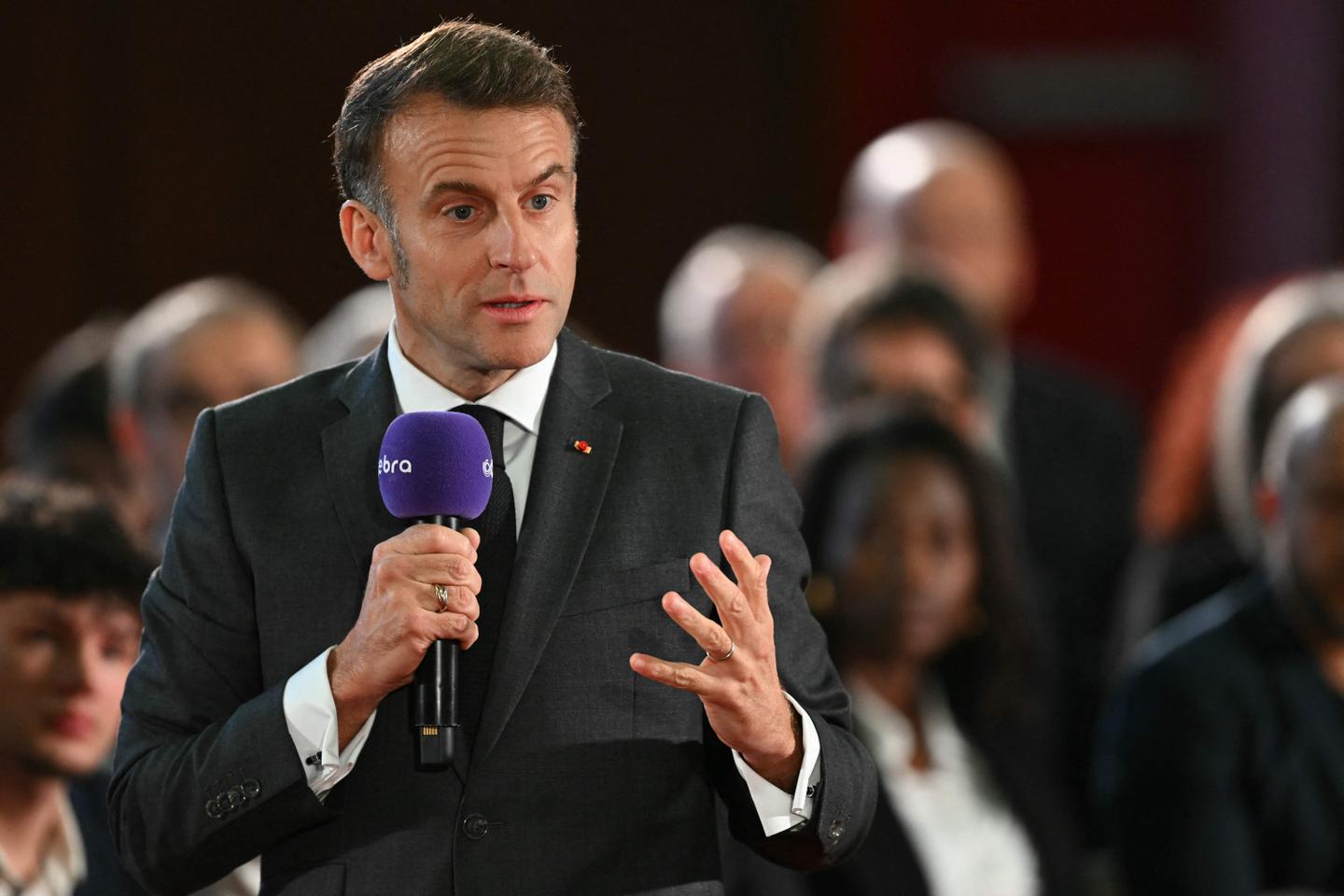
During an address in the northeastern town of Mirecourt on Friday, November 28, Macron revealed he had convened a defense council meeting on information warfare and requested proposals for new legal mechanisms to combat harmful content on social media platforms.
“I asked for help with a task that needs to be completed by the end of the year,” Macron told attendees at a regional press event, part of a broader national tour that has included similar forums in Toulouse and Arras. The president emphasized his desire to see these new procedures enshrined in French law “as soon as possible.”
The proposed legislation would establish summary proceedings against content deemed to be “false information” or “information that is harmful” to an individual’s dignity. Central to Macron’s proposal is a mechanism allowing judges to issue rulings within 48 hours that would compel the removal of offending posts.
Macron cited several examples of harmful misinformation, including false claims that France had deployed 1,000 legionnaires to Ukraine. “You may have read it, maybe even believed it for a moment,” he noted. “All of that was completely false.”
The president also referenced the personal toll of online harassment, particularly against his wife, First Lady Brigitte Macron, who has long been the target of persistent and false claims that she was born male. “We are completely powerless. It takes an enormous amount of time, it continues, people see it, and there are those who are foolish enough to believe it is true,” Macron said. “And that undermines you.”
The Macron administration’s concern over misinformation has intensified in recent years, particularly in the wake of Russia’s 2022 invasion of Ukraine. French officials have repeatedly warned about Russian disinformation campaigns targeting European nations, which they say have grown in both scope and sophistication.
The couple has taken unprecedented legal action to combat these persistent falsehoods. They have filed a lawsuit in the United States against American conservative commentator Candace Owens, who they accuse of amplifying transgender conspiracy theories about the First Lady. According to their U.S. attorney, the Macrons plan to present “scientific evidence” and photographs to definitively prove that Brigitte Macron is a woman.
This push for new legislation comes as European nations grapple with the growing challenge of regulating online content while balancing free speech concerns. The European Union has already implemented the Digital Services Act, which places new responsibilities on tech platforms to moderate content, but Macron’s proposal suggests France may seek additional national measures to address specific forms of misinformation.
Media experts note that the proposed 48-hour judicial review process would represent a significant acceleration compared to traditional legal remedies, which can take months or years to resolve—often long after harmful content has already spread widely across social networks.
The French president’s initiative is part of a broader strategy to engage directly with regional media outlets, which he views as crucial allies in the fight against misinformation. Last month, Macron hosted representatives from regional newspapers to discuss their role in preserving democratic discourse in an era of social media dominance.
As digital misinformation continues to evolve as a national security concern across Western democracies, Macron’s proposed legislative changes could establish a new precedent for how governments respond to online falsehoods targeting public figures and institutions.
Fact Checker
Verify the accuracy of this article using The Disinformation Commission analysis and real-time sources.

16 Comments
Combating online misinformation is a complex challenge. Macron’s call for new laws raises important questions about free expression.
Very true. The proposed 48-hour takedown process in particular seems quite fast and raises concerns about potential overreach.
Macron’s plan to rapidly block false information online raises interesting questions about free speech and content moderation.
Agreed, it will be important to see how they define ‘false information’ and ‘harmful’ content to avoid overreach.
Tackling online misinformation is a complex challenge. Curious to see what specific legal tools Macron has in mind and how they’ll be implemented.
Agreed, the details will be crucial. Will be interesting to see how this evolves and if other countries follow suit.
Macron’s call for new laws to fight online misinformation raises important free speech concerns. Curious to learn more about the specifics.
Good point. Any new laws will need to be carefully crafted to avoid overreach or unintended consequences.
Interesting move by Macron to combat online misinformation. Curious to see what specific legal mechanisms they propose and how they balance free speech concerns.
Agreed, the details will be crucial. Need to ensure any new laws don’t inadvertently stifle legitimate discourse.
Interesting move by Macron to address online misinformation. Curious to learn more about the specific legal mechanisms proposed.
Agreed, the details will be crucial. Striking the right balance between addressing misinformation and preserving free speech will be key.
Combating misinformation is important, but it’s a fine line to walk. I hope they can find an approach that’s effective yet respects civil liberties.
Exactly, striking the right balance will be key. Curious to hear more about the proposed 48-hour takedown process.
Combating harmful misinformation is important, but the devil will be in the details. Curious to see how Macron’s proposals unfold.
Absolutely, the implementation and oversight will be critical to ensuring an effective yet balanced approach.